The humble cutting board is arguably the most essential tool in any kitchen, a silent partner in countless culinary creations. While rectangular boards often dominate, the round wood cutting board offers a unique blend of aesthetic charm and practical functionality that’s capturing the hearts of home cooks and professional chefs alike. Far more than just a surface for chopping, a well-chosen round wood cutting board is a statement piece, a versatile serving platter, and a testament to enduring craftsmanship.
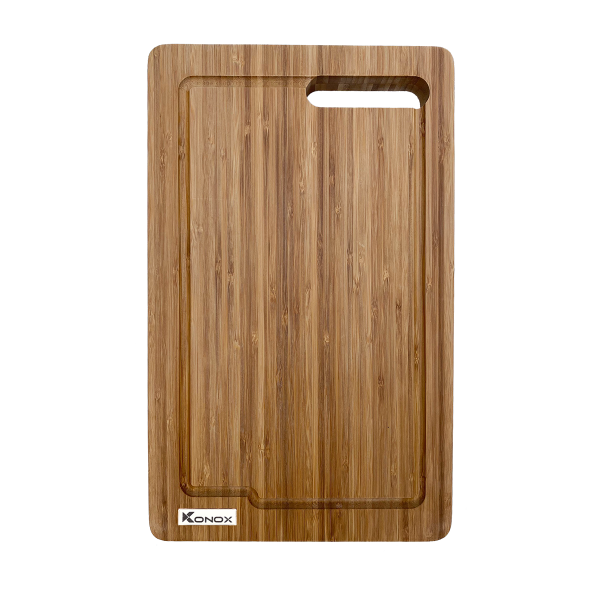
A Cut Above: The Enduring Legacy of Wooden Boards
For centuries, wood has been the material of choice for cutting surfaces, and for good reason. From ancient kitchens to modern culinary spaces, its enduring appeal lies in a combination of natural beauty and superior performance. Unlike harsher materials such as glass or plastic, wood is inherently gentle on your knife blades, helping to keep them sharper for longer by absorbing the impact of each cut rather than resisting it. This subtle “give” of the wood fibers protects the delicate edges of your cutlery, extending their lifespan and reducing the frequency of sharpening.
Beyond its knife-friendly nature, wood boasts remarkable hygienic properties that often surprise many. Contrary to popular misconceptions, studies have shown that wood, particularly hardwoods like maple and walnut, can actually be less likely to harbor harmful bacteria than plastic boards. The natural porosity of wood draws bacteria into its interior, where they dry out and die due to a lack of moisture. Many woods also contain natural tannic acids with antimicrobial properties, actively inhibiting bacterial growth on the surface. This makes a properly maintained round wood cutting board a safe and reliable choice for food preparation.
Decoding the Wood: Choosing Your Perfect Round Companion
Selecting the ideal round wood cutting board begins with understanding the different wood types and construction methods available. Each offers distinct characteristics that impact durability, aesthetics, and maintenance.
The Best Woods for Cutting Boards
- Maple: Often considered the “gold standard” for cutting boards, hard maple is renowned for its tight grain structure, which resists moisture and bacteria, making it highly sanitary. Its durability, coupled with its kindness to knives, makes it a top choice for both home and professional kitchens. Maple cutting boards have a clean, light appearance that complements various kitchen styles.
- Walnut: If you appreciate a richer, darker aesthetic, walnut is an excellent option. This dense hardwood offers beautiful deep tones that add elegance to any countertop. Walnut is slightly softer than maple, which can be even gentler on knife edges, and like other hardwoods, it possesses natural antibacterial qualities.
- Cherry: Cherry wood presents a warm, reddish hue that deepens with age, offering unique aesthetic charm. It’s a durable hardwood with a closed grain, performing well in the kitchen while adding a touch of rustic sophistication.
- Teak: Known for its natural oils and high silica content, teak is exceptionally resistant to water damage, stains, and warping. These properties contribute to its excellent durability and can mean it requires less frequent oiling compared to other woods. Teak’s beautiful grain and color make it a striking addition to any kitchen.
- Acacia: A popular and often more budget-friendly option, acacia is valued for its durability and attractive grain patterns. It offers good resistance to wear and tear, and like other hardwoods, performs well from a hygiene standpoint with proper care.
It’s generally advised to avoid open-grain woods like oak, as their more porous surfaces can trap food particles and moisture, making them less ideal for cutting board applications.
End-Grain vs. Edge-Grain: What’s the Difference?
The way a wooden cutting board is constructed significantly impacts its performance and longevity, especially for a round wood cutting board.
- End-Grain Cutting Boards: These boards are crafted by arranging small blocks of wood with the grain facing upwards, like the ends of many tiny straws. When a knife cuts into an end-grain surface, the blade slides between these fibers, which then “self-heal” or close back up. This construction is exceptionally gentle on knives, helps prevent deep gouges, and makes the board more durable. End-grain boards are often more labor-intensive to produce, hence their higher price point, and may require more frequent oiling to maintain their integrity.
- Edge-Grain Cutting Boards: In contrast, edge-grain boards are made by laying long strips of wood side-by-side and gluing them together, so the wood fibers run horizontally. These boards are generally more common and affordable. While still considered knife-friendly compared to plastic or glass, knife marks may become more visible over time as the blade cuts across the wood fibers. However, edge-grain boards can be sanded and re-oiled to restore their surface.
“Choosing between end-grain and edge-grain for a round board really comes down to how you plan to use it,” explains Sophia Rodriguez, a professional culinary consultant. “If you’re doing heavy-duty chopping and want the absolute best for your knives, end-grain is worth the investment. For general use and serving, a beautiful edge-grain round board is fantastic.”
The Circle’s Edge: Why a Round Wood Cutting Board?
While rectangular boards are ubiquitous, the distinct shape of a round wood cutting board brings several unique advantages and a certain undeniable charm to your kitchen.
Aesthetic Appeal
A round board instantly elevates your kitchen’s aesthetic. Its unique, organic shape breaks the monotony of straight lines and angles, acting as a natural centerpiece on your counter or dining table. Whether rustic or sleek, the natural grain patterns and warm tones of wood in a circular form add a touch of elegance and visual interest, making it a functional piece of art.
Versatility
The circular design isn’t just for show; it’s incredibly versatile. A round wood cutting board is perfect for serving, transforming effortlessly into a stunning charcuterie board, a cheese platter, or a rustic base for presenting pizzas or bread. Its shape encourages creative arrangements of food, making entertaining a breeze. Of course, it’s equally adept at everyday tasks like chopping vegetables, slicing bread, or preparing fruits.
Space Efficiency
Surprisingly, a round cutting board can be a clever space-saver in certain kitchen layouts. Its circular design can fit neatly into corners or smaller counter areas where a rectangular board might feel cumbersome. When stored vertically, it requires less linear counter space, allowing you to maximize limited storage capacity.
Preserving Perfection: Care and Maintenance for Your Round Wood Cutting Board
A high-quality round wood cutting board is an investment that, with proper care, can last for decades. Neglecting it, however, can lead to warping, cracking, and a shortened lifespan.
Daily Cleaning Rituals
After each use, scrape off any food residue with a bench scraper or a damp cloth. Then, wash your board promptly with warm, soapy water and a soft sponge or brush. It’s crucial to avoid harsh detergents that can strip the wood of its natural oils.
Crucial Don’ts for Wooden Boards
- Never soak your board in water: Prolonged exposure to moisture is the arch-nemesis of a wooden cutting board, leading to swelling, warping, and cracking.
- Never put it in the dishwasher: The extreme heat and prolonged moisture cycle of a dishwasher will almost certainly warp, crack, or even split your wooden board.
Drying Properly
Immediately after washing, dry your board thoroughly with a clean towel. Then, allow it to air dry completely by standing it upright or placing it on a raised rack to ensure airflow to all sides. Never lay a wet board flat, as this can cause uneven drying and warping.
Oiling and Conditioning for Longevity
Regular oiling is the secret to a long-lasting wooden cutting board. This process prevents the wood from drying out, cracking, and becoming dull. Use a food-safe mineral oil or a wood conditioner (board butter/wax) specifically designed for cutting boards.
- Application: Apply a generous amount of oil to all surfaces of the board. Spread it evenly with a clean cloth or paper towel, ensuring it saturates the wood.
- Soaking: Allow the oil to soak in for at least a few hours, or ideally, overnight. This gives the wood ample time to absorb the moisture.
- Buffing: Wipe off any excess oil with a clean, lint-free cloth.
- Frequency: Aim to oil your round wood cutting board once a month, or whenever it feels dry to the touch. Board cream or wax can be applied after oiling for an extra layer of protection and shine.
Stain and Odor Removal
For lingering odors or stubborn stains, a simple household remedy can work wonders. Sprinkle a generous amount of coarse salt over the stained area, then rub it with half a lemon. The acid in the lemon juice, combined with the abrasive salt, helps to lift stains and neutralize odors naturally. Alternatively, a paste of baking soda and water can also be effective.
Beyond the Chop: The Versatility of Round Wood Boards
The utility of a round wood cutting board extends far beyond its primary role in food preparation.
Serving Platters and Charcuterie Stars
With their inherent beauty and inviting shape, round wooden boards are perfectly suited for entertaining. They make exquisite serving platters for appetizers, fresh fruits, or baked goods. Their natural elegance truly shines when used as a foundation for an artfully arranged charcuterie or cheese board, becoming the focal point of any gathering.
Decorative Accents
Even when not in use, a beautiful round wood cutting board can serve as a decorative element in your kitchen. Lean it against a backsplash, display it on an open shelf, or use it as a base for a centerpiece, adding warmth and organic texture to your home décor.
Frequently Asked Questions About Round Wood Cutting Boards
What makes wood cutting boards hygienic?
Wood cutting boards are hygienic due to their natural antimicrobial properties. Wood fibers can draw bacteria beneath the surface, where they dehydrate and die. Many hardwoods also contain natural tannic acids that actively inhibit bacterial growth, making them a safe choice when properly cleaned and maintained.
How often should I oil my round wood cutting board?
It is recommended to oil your round wood cutting board about once a month, or whenever it appears dry, dull, or rough to the touch. Regular oiling with food-safe mineral oil or board butter keeps the wood hydrated, preventing it from drying out, cracking, and warping.
Can a round wood cutting board go in the dishwasher?
No, a round wood cutting board should never be placed in a dishwasher. The intense heat and prolonged exposure to moisture in a dishwasher will inevitably cause the wood to warp, crack, or split, severely damaging your board. Always hand wash and dry immediately.
What’s the best wood for a round cutting board?
Hard maple is often considered the best wood for cutting boards due to its optimal balance of durability, tight grain for hygiene, and gentleness on knives. Other excellent choices include walnut, cherry, teak, and acacia, each offering unique aesthetic and functional qualities.
Are end-grain round wood cutting boards better?
End-grain round wood cutting boards are generally considered superior for heavy-duty use. Their construction allows knife blades to slide between wood fibers, promoting self-healing and extending knife sharpness. While more expensive and requiring more oiling, they offer enhanced durability and knife protection compared to edge-grain boards.
Embracing the Circle: A Lasting Kitchen Companion
The round wood cutting board is more than just a kitchen tool; it’s a piece of culinary heritage, a functional work of art, and a versatile companion for countless meals and gatherings. From its innate ability to preserve your knife edges and its natural hygienic properties to its undeniable aesthetic appeal and serving versatility, a well-chosen and properly cared-for round wood cutting board will be a cherished fixture in your kitchen for years to come. Embrace its timeless charm, and let it inspire your culinary adventures.
|
Our Picks for the Best Cutting Board in 2026
As an Amazon Associate I earn from qualifying purchases.
|
||
| Num | Product | Action |
|---|---|---|
| 1 | Kitsure Bamboo Cutting Board - Multi-Sizes Wooden Cutting Boards for Kitchen, Convenient Kitchen Essentials with Deep Juice Grooves, Natural Cutting Board for Chopping & Serving, 15.0\" x 10.0\" |

|
| 2 | Bamboo Cutting Board, Durable Wood Cutting Boards for Kitchen with Deep Juice Grooves & Built-in Handles, Ideal Charcuterie & Chopping for Meat, Vegetables and Fruits Ideal Kitchen Gifts |
|
| 3 | Bamboo Cutting Board, Durable Wood Cutting Boards for Kitchen with Deep Juice Grooves & Built-in Handles, Ideal Charcuterie & Chopping for Meat, Vegetables and Fruits Ideal Kitchen Gifts |
|
| 4 | Dishwasher Safe Bamboo Cutting Board, Lightweight & Durable Wood Cutting Board, Reversible with Juice Groove, Easy to Store & Clean, Ideal Kitchen Gift for Home Cooks |
|
| 5 | Titanium Cutting Board for Kitchen, Cutting Board Double Sided Food Grade, Pure Titanium/PP, Easy to Clean Large Size 15”×10.3” |
|
| 6 | 10pcs Sublimation Cutting Board Blanks, Small Wooden Cutting Boards For Crafts With Handle Mini Charcuterie Boards, Unfinished Wood Tray Small Charcuterie Boards for Christmas Thanksgiving Kitchen |
|
| 7 | Titanium Cutting Board for Kitchen, Cutting Board Double Sided Food Grade, Pure Titanium/PP, Easy to Clean Large Size 15”×10.3” |
|
| 8 | GORILLA GRIP BPA-Free Reversible Kitchen Cutting Board Set of 3, US Designed, Nonporous, Juice Grooves Catch Liquid, Slip Resistant Border, Durable Food Chopping Boards, Holiday Prep Essentials, Black |
|
| 9 | Double-Sided Stainless Steel Cutting Board for Kitchen, 16\'\'×11\'\' Scratch-Resistant Cutting Board for Meat, Vegetables & Fruits, Rust-Resistant Chopping Board with Juice Groove on Both Sides |
|
| 10 | Bamboo Cutting Boards for Kitchen [Set of 3] Wood Cutting Board for Chopping Meat, Vegetables, Fruits, Cheese, Knife Friendly Serving Tray with Handles |
|