Stepping into a modern kitchen, it’s hard to miss the shift towards natural, sustainable materials, and in that spotlight, the Acacia Cutting Board shines brightly. More than just a tool, an acacia cutting board often doubles as a centerpiece, bringing warmth and elegance to any culinary space. If you’ve ever wondered what makes this particular wood a favorite among home cooks and professional chefs alike, you’re in the right place. This comprehensive guide will slice through the details, helping you understand, choose, and care for an acacia cutting board, ensuring it serves you well for years to come.
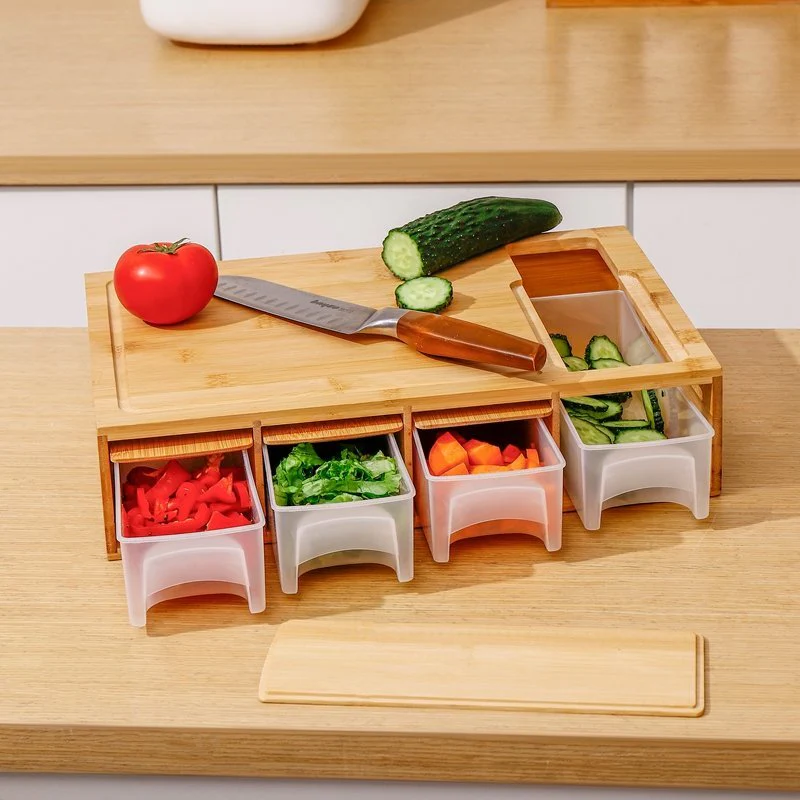
The Enduring Appeal of Acacia: A Historical Look at Cutting Boards
For centuries, the humble cutting board has been an indispensable part of kitchen life. From the earliest days of food preparation, people relied on sturdy surfaces to protect their countertops and provide a stable base for chopping. Wood, with its natural resilience and ability to withstand repeated knife strokes, quickly became the material of choice. Fast forward to today, and while various materials like plastic, glass, and bamboo have entered the scene, traditional hardwoods continue to hold their own. Among them, acacia has emerged as a particularly favored option, celebrated for its unique blend of strength, beauty, and practical kitchen performance.
Why Acacia Cutting Boards Are a Cut Above: Pros and Cons
Like any kitchen essential, an acacia cutting board comes with its own set of advantages and a few considerations. Understanding these can help you appreciate why so many are making the switch.
The “Pros” of Acacia Cutting Boards
Acacia wood offers a compelling list of benefits that make it an excellent choice for a cutting surface.
Natural Durability & Longevity: Acacia is a dense hardwood, renowned for its strength. It boasts a Janka hardness rating typically between 1,500 and 2,300 lbf, often making it harder than popular woods like maple, walnut, and teak. This inherent toughness means your acacia cutting board is highly resistant to deep scratches, knife marks, and warping, ensuring it stands up to daily culinary demands for many years.
Knife-Friendly Surface: Despite its impressive hardness, acacia strikes a remarkable balance by being gentle on your precious knives. It’s firm enough to withstand repeated chopping without showing significant wear, yet not so hard that it dulls your blades prematurely. This equilibrium helps maintain the sharpness of your knives, reducing the frequency of sharpening.
Water & Bacteria Resistance: Acacia wood naturally contains oils and boasts a tight grain structure. These properties make it inherently resistant to moisture penetration, which is a critical feature for any cutting surface. This natural resistance means your board is less prone to absorbing water, thereby reducing the risk of warping and making it less hospitable for bacteria to harbor compared to softer, more porous woods.
Stunning Aesthetic Appeal: Beyond its practicality, an acacia cutting board brings undeniable beauty to your kitchen. Its rich, warm tones, which can range from golden honey to deep amber, combined with its unique and varied grain patterns, make each board a one-of-a-kind piece. This natural elegance allows acacia boards to effortlessly transition from a prep surface to a stunning serving platter for charcuterie, cheeses, or appetizers.
Eco-Friendly & Sustainable: For the environmentally conscious cook, acacia is a commendable choice. It’s a relatively fast-growing tree, which contributes to its sustainability compared to slower-growing hardwoods. Additionally, its natural pest resistance means less reliance on chemical sprays during cultivation, and its long lifespan can significantly reduce its environmental footprint over time.
Versatility: An acacia cutting board isn’t just for chopping vegetables. Its robust nature makes it perfect for carving roasted meats, and its aesthetic appeal means it can easily double as an elegant serving board for various culinary presentations.
The “Cons” to Consider
While acacia offers much to love, there are a few aspects to keep in mind.
Requires Regular Maintenance: To keep your acacia cutting board in prime condition and prevent it from drying out, cracking, or warping, it requires regular oiling. Monthly conditioning with a food-safe mineral oil is often recommended to nourish the wood and maintain its protective barrier.
Sensitive to Soaking & High Heat: Acacia cutting boards are strictly hand-wash only. Prolonged exposure to water, such as soaking in the sink, or high heat, like that found in a dishwasher, can cause the wood to swell, crack, or warp irreversibly.
Quality Variation: Not all acacia cutting boards are created equal. The quality can vary, with some lower-priced options potentially using inferior glues or finishes that may wear down more quickly. It’s always worth investing in a reputable brand for a lasting product.
Limited for Heavy-Duty Chopping: While incredibly durable for daily kitchen tasks, for professional butchering or continuous, extremely heavy-duty chopping, some professional chefs might still lean towards exceptionally tough woods like maple or walnut, which can handle even more extreme impact.
Acacia vs. The Rest: How It Stacks Up Against Other Materials
Choosing a cutting board often involves weighing acacia against other popular options. Let’s see how it compares.
Acacia vs. Bamboo
When pitting acacia against bamboo, it’s a battle of the hardwoods (or hard “grass” in bamboo’s case). Acacia, being a solid hardwood, offers superior resistance to splitting and boasts a significantly longer lifespan, often lasting 5-10 years compared to bamboo’s typical 3-4 years. It’s also generally more knife-friendly. Bamboo, on the other hand, is technically a grass and is constructed from compressed fibers bonded with adhesives, which can sometimes delaminate. Its harder surface can be tougher on knives, and its more porous nature makes it more prone to water absorption if not meticulously maintained. However, bamboo is often more affordable and known for its rapid growth, making it a sustainable, budget-friendly option.
Acacia vs. Maple/Walnut
Maple and walnut are traditional kings of the cutting board world, and for good reason. They are excellent hardwoods, renowned for their extreme durability. While acacia often has a higher Janka hardness rating than both maple and walnut, it strikes a better balance between toughness and knife-friendliness for everyday use. High-end maple and walnut boards are exceptionally durable, making them staples in professional kitchens for heavy-duty tasks like butchering, but they can also be significantly more expensive than acacia. Acacia offers comparable durability and aesthetic appeal at a more accessible price point.
Acacia vs. Plastic/Glass
The comparison between wood and plastic or glass is stark. Plastic and glass boards, while often cheap and dishwasher-safe, come with significant drawbacks. Plastic boards are notorious for developing deep knife grooves that can harbor bacteria and are rough on knife edges, dulling them quickly. Glass boards are even worse for knives, as their unyielding surface rapidly damages blades. In contrast, an acacia cutting board is aesthetically superior, gentle on knives, and its natural properties make it less prone to harboring bacteria in surface cuts, leading to better overall food safety. With proper care, a wooden board will far outlast its plastic or glass counterparts.
Choosing Your Perfect Acacia Cutting Board
Selecting the right acacia cutting board involves a few key considerations to ensure it fits seamlessly into your kitchen life.
Size and Thickness: Think about your typical cooking tasks. A larger, thicker board provides more stability and space for meal prep, especially when dealing with bigger items or multiple ingredients. However, consider your kitchen’s storage space. Thicker boards are generally more robust and less prone to warping.
Grain Style: While all acacia boasts beautiful grain, you might encounter different construction styles. End-grain boards, where the wood fibers are oriented vertically, are often considered the most knife-friendly and “self-healing,” as knife cuts go between the fibers rather than across them. Edge-grain boards, with fibers running horizontally, are also durable and more commonly found. For acacia, regardless of grain style, its inherent durability and beautiful, varied patterns are a consistent draw.
Quality & Construction: Look for boards made from solid acacia, with reputable construction. High-quality boards will use food-safe glues and finishes that are designed to withstand kitchen use. Avoid boards with obvious cracks, weak points, or excessive visible glue lines, which can indicate lower quality.
Keeping Your Acacia Board Happy: Care and Maintenance Essentials
Proper care is the secret to an acacia cutting board’s long and beautiful life. Think of it like a cherished piece of furniture – a little love goes a long way.
Daily Cleaning Routine
After each use, the cleaning process for your acacia cutting board is straightforward but crucial.
- Hand Wash Immediately: Wash your board with warm water and a mild dish soap.
- Gentle Scrub: Use a soft sponge or cloth to gently remove any food residues. Avoid abrasive scrubbers that could scratch the wood’s surface.
- Avoid Soaking: Never submerge or soak your acacia cutting board in water, as prolonged exposure is a leading cause of warping and cracking.
- Rinse Thoroughly: Rinse the board completely to remove all soap.
- Dry Promptly: Immediately dry the board with a clean towel. For optimal air circulation, stand the board upright in a dish rack or lean it against a wall to allow both sides to dry evenly. This prevents moisture accumulation and potential warping.
Oiling & Conditioning for Longevity
Regular oiling is the key to nourishing the wood and creating a protective barrier against moisture and stains.
- Choose the Right Oil: Use a food-grade mineral oil or a beeswax and mineral oil blend. These penetrate deep into the wood fibers, keeping them hydrated. Avoid vegetable oils (like olive or canola oil) as they can go rancid over time, leading to unpleasant odors.
- Apply Generously: Approximately once a month, apply a generous amount of oil to all surfaces of your clean, dry board. Use a soft cloth or paper towel to rub it in, ensuring even coverage.
- Let it Soak: Allow the oil to soak into the wood, ideally overnight.
- Wipe Excess: The next day, wipe off any excess oil with a clean cloth. Your board should feel smooth and rich, not greasy.
Avoiding Common Pitfalls
Heeding these warnings will help extend your board’s life significantly:
- No Dishwasher! This cannot be stressed enough. The high heat and harsh detergents of a dishwasher are the arch-nemesis of any wooden cutting board.
- Steer Clear of Extreme Heat: Do not place your board near stovetops, in direct sunlight, or use it as a hot trivet for extremely hot pots. High temperatures can dry out the wood and cause warping or cracking.
- Proper Storage: Store your acacia cutting board in a cool, dry place. Avoid leaving it flat on a countertop for extended periods, as this can trap moisture underneath. Standing it on its side or hanging it on a hook allows for even air circulation.
- Deep Cleaning/Sanitizing: For occasional deep cleaning or to neutralize odors, you can create a solution of equal parts distilled white vinegar and water, spray it on the board, scrub gently, then rinse and dry. Alternatively, sprinkling coarse salt on the board and scrubbing with half a lemon is a natural way to sanitize and freshen the surface.
Food Safety First: Preventing Cross-Contamination
Food safety is paramount in any kitchen. An acacia cutting board, like all cutting boards, requires attention to prevent cross-contamination. Always use separate cutting boards for raw meats (poultry, fish) and fresh produce or cooked foods. This simple practice is crucial. Acacia’s natural resistance to bacteria is an excellent advantage, but it doesn’t replace the need for vigilant cleaning and separation of ingredients. Ensure your board is thoroughly cleaned and dried after each use, especially when preparing raw proteins.
Beyond the Chop: Other Uses and Considerations
Your acacia cutting board is far more versatile than just a chopping block. Its inherent beauty makes it an ideal serving platter for a vibrant charcuterie spread, a rustic cheese board, or an elegant display for fresh fruits and pastries. “I always advise my clients to choose kitchen tools that pull double duty,” says Chef Anya Sharma, a culinary expert and kitchenware consultant. “An acacia board not only performs exceptionally for prep but transforms into a beautiful serving piece, elevating any gathering.” Consider its weight and portability if you plan to move it frequently between prep and serving areas. Its solid construction means it will have a satisfying heft, indicative of its quality and stability.
Frequently Asked Questions
Is acacia wood safe for cutting boards?
Absolutely! Acacia wood is safe for cutting boards. It is a dense, non-toxic hardwood that, with proper care, resists moisture and bacteria, making it a hygienic surface for food preparation.
How often should I oil my acacia cutting board?
Most experts recommend oiling your acacia cutting board about once a month with a food-grade mineral oil or a beeswax blend. This helps to hydrate the wood, prevent drying and cracking, and maintain its natural luster and protective barrier.
Can I put my acacia cutting board in the dishwasher?
No, never put your acacia cutting board in the dishwasher. The high heat and prolonged exposure to water will cause the wood to warp, crack, and potentially delaminate, ruining your board. Always hand wash and dry immediately.
How do I remove stubborn stains or odors from my acacia board?
For stubborn stains and odors, you can try sprinkling coarse salt over the board and scrubbing it with half a lemon. Another effective method is to spray a solution of equal parts white vinegar and water, scrub gently, then rinse and dry.
Is acacia better than bamboo for cutting boards?
Many culinary professionals and home cooks prefer acacia over bamboo. Acacia is a true hardwood with superior durability and resistance to splitting, offering a longer lifespan and being gentler on knives. While bamboo is eco-friendly and affordable, its laminated construction can be prone to delamination, and its hardness can dull knives faster.
Conclusion
The acacia cutting board is a true workhorse and a statement piece in any kitchen. Its exceptional durability, knife-friendly surface, natural resistance to moisture and bacteria, and breathtaking aesthetic appeal make it a standout choice among the myriad of options available. While it requires a little tender loving care in the form of regular oiling and proper cleaning, this small investment in maintenance ensures your acacia cutting board will be a reliable, beautiful companion in your culinary adventures for many years to come. So, embrace the warmth and resilience of acacia; choose one that speaks to you, take good care of it, and enjoy countless delicious meals prepared on its inviting surface.