Every great chef, home cook, and even the occasional kitchen explorer knows that a truly functional kitchen relies on more than just sharp knives and fresh ingredients. At the heart of it all lies an often-underappreciated hero: the cutting board. It’s where the magic begins, transforming raw produce into culinary masterpieces, and it plays a crucial role in everything from knife longevity to food safety. But with a dizzying array of options out there – different materials, sizes, and styles – how do you choose the Best Cutting Board for your specific needs? Let’s slice through the confusion and find your perfect kitchen companion.
A Slice of History: The Evolution of Cutting Boards
Before the sleek designs and advanced materials we see today, cutting boards were far simpler. Early humans likely used flat stones or pieces of wood to prepare their food, a testament to the enduring necessity of a stable, clean surface for food preparation. As civilizations advanced, so too did kitchen tools. Wood, being readily available and relatively soft on knife edges, became the predominant material for centuries. The concept of a dedicated surface for chopping evolved from a basic utility to an indispensable kitchen item, with modern innovations bringing us plastic, bamboo, composite, and even glass options, each with its own set of characteristics.
Decoding the Best Cutting Board Materials: Pros and Cons
Choosing the best cutting board really boils down to understanding the materials available. Each comes with its own set of advantages and disadvantages that impact your knives, hygiene, and overall kitchen experience.
Wood Cutting Boards: The Timeless Classic
When you think of a classic kitchen, a sturdy wooden cutting board often comes to mind. And for good reason! Wood, especially dense hardwoods like maple, walnut, cherry, and teak, are renowned for being incredibly kind to your knife blades. The natural “give” of wood allows your knife edge to sink slightly into the surface rather than hitting a hard, unyielding material, which keeps your knives sharper for longer.
There are primarily two types of wooden cutting boards:
- Edge-grain: Made from strips of wood glued together with the long grain facing up. These are generally more affordable and durable.
- End-grain: Constructed from smaller blocks of wood with the end grain facing up, resembling a checkerboard pattern. This construction is even gentler on knives and is often considered “self-healing,” as knife cuts tend to close up over time. They are typically more expensive.
Beyond knife care, many hardwoods possess natural antimicrobial properties, making them surprisingly hygienic when properly maintained. They also add a beautiful, warm aesthetic to any kitchen. However, wood boards require regular maintenance, including oiling with food-grade mineral oil, to prevent warping, cracking, and to maintain their protective barrier against moisture. They are also heavier than other options and are never dishwasher safe.
Plastic Cutting Boards: Convenient, But At What Cost?
For a long time, plastic cutting boards were touted as the most sanitary option because they are typically dishwasher safe. While new plastic boards can be easily disinfected, the real issue arises over time. As knives cut into the surface, they create scores and grooves that are incredibly difficult to clean thoroughly. These crevices can become breeding grounds for bacteria, negating their perceived hygiene advantage.
More recently, concerns about microplastics have shifted the narrative significantly. Studies indicate that chopping on plastic cutting boards can release tiny plastic particles into food, posing potential health risks. This has led many culinary experts and health-conscious individuals to reconsider plastic as the best cutting board material, especially for everyday use.
On the upside, plastic boards are lightweight, often affordable, and available in various colors, which can be useful for color-coding to prevent cross-contamination (e.g., one for raw meat, another for vegetables). They are generally easy to handle and store.
Bamboo Cutting Boards: The Eco-Friendly Contender
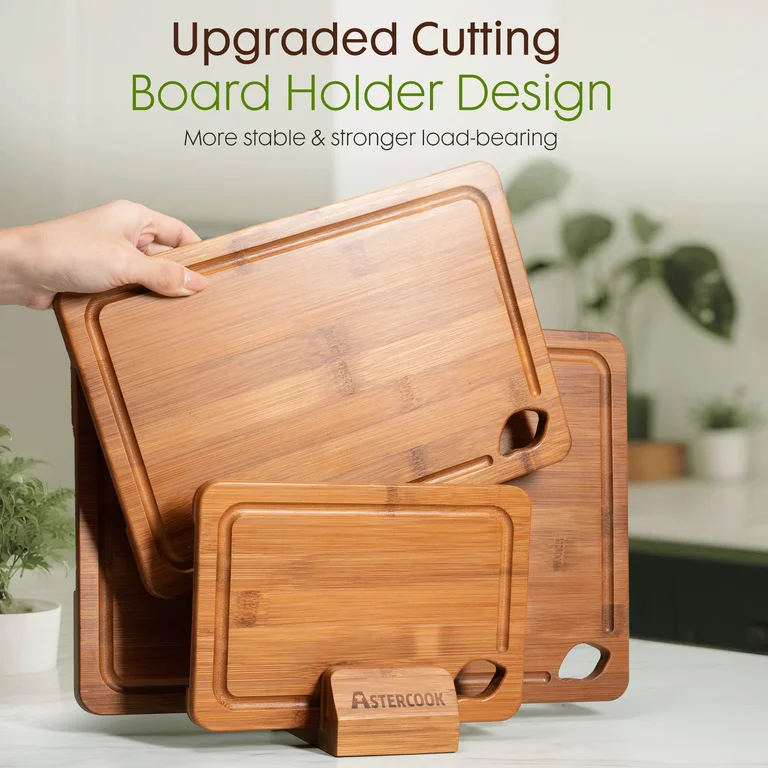
Bamboo has gained popularity as an eco-friendly alternative to traditional wood, primarily because it’s a fast-growing, sustainable grass. Bamboo boards are often dense, resistant to water, and can look quite attractive.
However, bamboo’s hardness can be a double-edged sword. While durable, it can be tougher on your knife edges compared to softer hardwoods like maple or walnut, potentially dulling them faster. Like wood, bamboo boards also require oiling to prevent drying and cracking, and they are typically not dishwasher safe. It’s also worth noting that some cheaper bamboo boards may use formaldehyde-based glues in their construction, so it’s wise to look for reputable brands.
Composite Cutting Boards: The Modern Hybrid
Composite cutting boards, often made from compressed paper or wood fiber, offer an interesting middle ground. Brands like Epicurean are popular examples. These boards often mimic the look and feel of wood but come with the convenience of being dishwasher safe and requiring less maintenance. They are thin, durable, and generally resistant to staining and warping.
While they are more knife-friendly than glass or stone, they are usually harder than traditional wood, so they may still be a bit tougher on your knife edges over time. They are an excellent option for those who want some of the benefits of wood without the intensive care requirements.
Materials to Avoid (Glass & Stone): Your Knives Will Thank You
While aesthetically pleasing for serving, glass and stone (like marble or granite) cutting boards are a definite no-go for actual chopping. Their incredibly hard surfaces will dull your knives almost instantly and can even chip or damage delicate blades. They are also slippery and prone to breakage. Save these beautiful pieces for charcuterie and serving only.
Choosing Your Perfect Match: A Guide to the Best Cutting Board for Every Need
Selecting the best cutting board isn’t a one-size-fits-all decision. It’s about finding a board that aligns with your cooking habits, kitchen setup, and personal priorities.
Consider Your Culinary Habits
Think about what you cook most often.
- Heavy Chopping & Butcher Work: If you frequently butcher meat or do a lot of heavy-duty chopping, a large, thick end-grain wooden butcher block is often the best cutting board choice. Its weight provides stability, and the end-grain construction is the kindest to your knives.
- Everyday Veggie Prep: For daily vegetable and fruit slicing, a medium-sized wooden, bamboo, or composite board can be ideal. They offer a good balance of durability and knife protection.
- Raw Meat & Poultry: While traditionally plastic was recommended for raw meats due to perceived ease of sanitization, the microplastic concerns have shifted recommendations. If using plastic, ensure it’s new and can be thoroughly cleaned, or consider dedicating a well-maintained wooden board for raw meats, followed by rigorous cleaning and sanitization.
Knife Friendliness: Protecting Your Prized Blades
This is perhaps the most critical factor for serious cooks. Your knives are an investment, and a hard cutting surface will quickly ruin their edge. Wooden boards, especially end-grain varieties, are universally considered the most knife-friendly. They absorb the impact of the blade, keeping your knives sharper for longer and reducing the need for frequent sharpening. Composite boards are a good second, followed by plastic. Avoid glass, stone, or ceramic for cutting.
Hygiene and Food Safety: Preventing Cross-Contamination
Food safety is paramount. While some once believed plastic was superior for hygiene, modern understanding highlights the self-healing and antimicrobial properties of wood, along with the issue of deeply scratched plastic harboring bacteria. The key is proper cleaning and, ideally, dedicating separate boards for different food groups. “A good rule of thumb,” advises Chef Clara Vance, a seasoned culinary instructor, “is to have at least two cutting boards: one for raw proteins and another for cooked foods and produce. This simple practice goes a long way in preventing harmful cross-contamination.”
Durability and Longevity: Investing in Quality
A good cutting board is an investment. Hardwood boards, when properly cared for, can last for decades, even generations. They develop a beautiful patina over time. High-quality composite boards are also very durable. Plastic boards, while durable in the short term, tend to show knife marks quickly and may need to be replaced more often to maintain hygiene and avoid microplastic shedding.
Size and Weight: Counter Space, Storage, and Ease of Handling
Consider your kitchen’s counter space and storage. Large butcher blocks are fantastic for big jobs but might overwhelm a small kitchen. Conversely, a board that’s too small can be frustrating and unsafe, as food might spill off.
- Large (18×24 inches or larger): Ideal for carving large roasts, rolling dough, or extensive prep work. Usually heavy.
- Medium (12×18 to 15×20 inches): Versatile for most daily tasks. A good all-around size.
- Small (under 12×18 inches): Perfect for quick tasks like chopping a single onion or slicing cheese.
Weight is also a factor. Heavier boards offer more stability, reducing the risk of slippage. If you frequently move your board to transfer food, a lighter plastic or composite board might be more convenient, but ensure it has non-slip feet or use a damp towel underneath.
Aesthetics and Style: Matching Your Kitchen Decor
While functionality is key, the look of your cutting board also contributes to your kitchen’s ambiance. Wooden boards, with their natural grains and warm tones, offer a timeless appeal. Bamboo has a modern, minimalist look. Composite boards often come in muted tones. Choose a style that complements your kitchen’s overall design.
Budget Considerations: Where to Splurge, Where to Save
Cutting boards range widely in price. High-quality, end-grain wooden butcher blocks can be a significant investment but offer unparalleled durability and knife protection. More affordable options include edge-grain wood, bamboo, and plastic boards. It’s often worth investing in at least one high-quality, knife-friendly board for most of your prep work and perhaps supplementing with more budget-friendly options for specific tasks (like a small, dedicated plastic board for garlic or onions if you’re concerned about odor transfer to wood).
Keeping It Pristine: Maintenance and Care for Your Cutting Board
Proper care significantly extends the life and hygiene of your cutting board, especially for wood and bamboo.
Daily Cleaning Rituals
For all types of cutting boards, the most crucial step is cleaning immediately after use.
- Handwashing is Best: Always handwash wooden and bamboo boards. Use warm water and a mild dish soap, scrubbing well to remove food particles. The mechanical scrubbing and water volume are more important than excessive soap.
- Immediate Drying: After washing, dry your board thoroughly with a clean towel. Do not let wooden or bamboo boards air dry flat or soak in water, as this can lead to warping, cracking, or mold.
- Dishwasher Safe (for some): Many plastic and composite boards are dishwasher safe, offering convenient sanitization. However, regularly inspect plastic boards for deep cuts and consider replacing them when they become heavily scarred.
The Power of Oil (for Wood and Bamboo)
Oiling is essential for wooden and bamboo cutting boards to keep them hydrated, prevent drying and cracking, and maintain their protective barrier against moisture and bacteria.
- Food-Grade Mineral Oil: This is the gold standard. Apply a generous amount to all surfaces, rub it in, and let it soak for several hours or overnight. Wipe off any excess.
- Board Cream/Wax: After oiling, a board cream (a mix of mineral oil and beeswax) can add an extra layer of protection and a beautiful sheen. Buff it in with a soft cloth.
- Frequency: Oil your wooden or bamboo board once a month, or more frequently if it looks dry or water no longer beads on its surface.
Sanitizing Without Harsh Chemicals
For stubborn odors or stains, or for extra sanitization, you don’t need harsh chemicals that can damage your board.
- Lemon and Salt: Sprinkle coarse salt over the board, then use half a lemon (cut side down) to scrub the salt into the surface. The salt acts as an abrasive, and the lemon juice’s acidity helps neutralize odors and lift stains. Rinse and dry thoroughly.
- White Vinegar: Spray or wipe distilled white vinegar over the board. Its acidity is effective at killing germs and eliminating odors. Let it sit for a few minutes, then rinse and dry.
- Baking Soda Paste: For tough stains, mix baking soda with a little water to form a paste, apply it to the stain, let it sit, then scrub and rinse.
Proper Storage
Store your cutting board in a cool, dry place. Wooden boards should always be stored upright or on a rack to allow air circulation on all sides, preventing moisture buildup and warping. Avoid stacking other items on top of them.
When to Retire a Board
Even the best cutting board has a lifespan. If your plastic board has deep, irreparable knife grooves that can harbor bacteria, it’s time to replace it. For wooden boards, severe warping, deep cracks that cannot be repaired, or persistent unpleasant odors despite cleaning are signs it’s time for a new one.
Food Safety First: Preventing Cross-Contamination
This aspect cannot be overstated. Using separate cutting boards for different food categories is a simple yet vital step in preventing foodborne illnesses.
- Raw Meats (Poultry, Beef, Pork): Dedicate one board specifically for these. You might even choose a color-coded plastic board for this purpose, if you regularly replace it, or a well-maintained wooden board that you clean meticulously after each use.
- Raw Fish/Seafood: Ideally, use a separate board for seafood to prevent transferring strong odors or specific bacteria.
- Produce & Cooked Foods: Use a different board for fruits, vegetables, bread, and cooked items. This ensures no raw meat juices come into contact with foods that won’t be cooked further.
Some home cooks even use a system of multiple boards, such as a large wooden board for general prep and a smaller plastic or composite board specifically for raw proteins, ensuring that each task has its appropriate, hygienic surface.
Beyond the Chop: Other Uses for Your Cutting Board
The best cutting board can be more than just a surface for slicing and dicing.
- Serving Platters: Beautiful wooden and bamboo boards make stunning backdrops for charcuterie, cheese spreads, or appetizers. They elevate your presentation and add rustic elegance to any gathering.
- Pastry Boards: Large, smooth wooden boards are excellent for rolling out dough for pies, cookies, or pasta. Their stable surface and natural warmth are ideal for baking tasks.
- Trivets: Thicker boards can double as trivets for hot pots and pans, protecting your countertops.
- Decorative Elements: A beautiful cutting board can even serve as a decorative piece in your kitchen when not in use, propped against a backsplash or hung on a wall.
Frequently Asked Questions About Cutting Boards
Are wooden cutting boards really more hygienic than plastic?
Yes, studies have shown that hardwood cutting boards can be more hygienic than plastic. Wood has natural antimicrobial properties, and bacteria tend to die off in its porous structure, whereas deeply cut plastic can harbor bacteria in its grooves. Proper cleaning and maintenance are key for both.
How often should I oil my wooden cutting board?
Aim to oil your wooden cutting board once a month, or whenever it appears dry, faded, or when water no longer beads on its surface.
Can I put my cutting board in the dishwasher?
Only plastic and composite cutting boards are typically dishwasher safe. Wood and bamboo boards should never go in the dishwasher, as the high heat and prolonged moisture will cause them to warp, crack, and potentially harbor mold.
What kind of oil should I use for my wooden cutting board?
Always use food-grade mineral oil. Avoid cooking oils like olive, vegetable, or nut oils, as they can go rancid over time and leave a sticky residue.
Why are glass cutting boards bad?
Glass cutting boards are extremely hard and will dull your knives very quickly, potentially even chipping the blade. They are also slippery and prone to breaking. They are best avoided for actual cutting tasks.
What’s the best cutting board for raw meat?
For raw meat, a dedicated cutting board is essential to prevent cross-contamination. While historically plastic was recommended, a well-maintained wooden board that is thoroughly cleaned and sanitized after each use is also a safe option, especially given microplastic concerns with plastic. Some cooks use a color-coded plastic board specifically for raw meats that is frequently replaced.
How do I get stains or smells out of my cutting board?
For stains and odors, try scrubbing with a paste of baking soda and water, or a mixture of coarse salt and lemon juice. White vinegar is also effective at neutralizing odors. Rinse thoroughly and dry immediately after treatment.
Conclusion: Your Cutting Board, Your Culinary Partner
Choosing the best cutting board is a fundamental step toward a more efficient, safer, and enjoyable cooking experience. Whether you opt for the classic elegance and knife-friendly nature of wood, the low-maintenance convenience of composite, or a combination of materials for different tasks, understanding their characteristics is key. Invest in quality, practice good hygiene, and commit to proper maintenance, and your cutting board will serve as a reliable, long-lasting partner in all your culinary adventures. So, go ahead – make an informed choice, try out a new board, and elevate your everyday kitchen tasks. Happy chopping!