In the bustling heart of any kitchen, a cutting board is more than just a surface; it’s a trusty companion, a silent workhorse that supports every slice, chop, and dice. Among the myriad options available, the Boos Block Cutting Board stands out, revered by professional chefs and home cooks alike. This isn’t just a piece of wood; it’s a statement, a blending of tradition, superior craftsmanship, and unparalleled performance designed to elevate your culinary journey and last a lifetime.
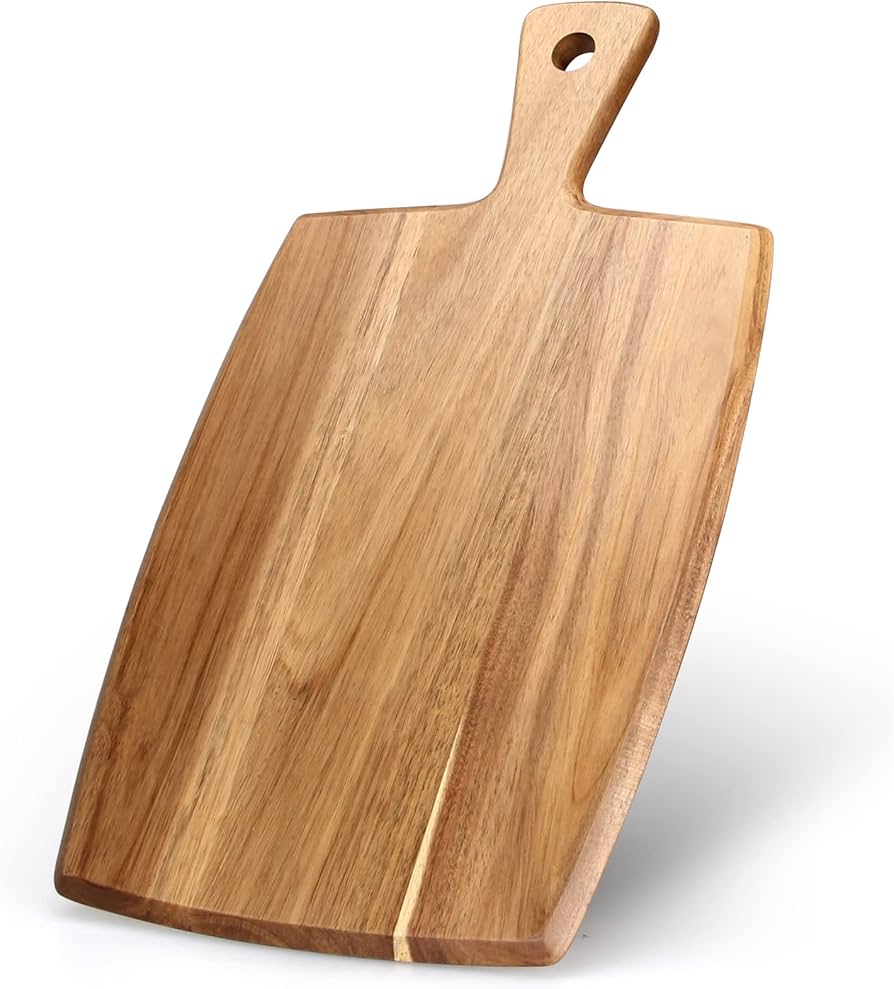
The Enduring Legacy of John Boos & Co.: A Cut Above Since 1887
The story of the Boos Block cutting board begins in 1887 in Effingham, Illinois, with founder Conrad Boos. Initially, his innovation was a simple sycamore log on three legs, designed to absorb the shock from a blacksmith’s hammer. A local butcher, witnessing its durability, saw its potential for his meat market. Conrad’s son, John, took this idea and crafted the first butcher block specifically for culinary use. This humble beginning marked the birth of John Boos & Co. and a legacy that would soon extend from local butcher shops to kitchens across America and beyond, even featuring at the 1900 World’s Fair in Paris. Today, more than a century later, Boos Block cutting boards are still proudly handcrafted in Effingham, Illinois, a testament to enduring American craftsmanship and a commitment to sustainable forestry practices. This dedication to quality and origin is why many consider it the industry standard.
Unpacking the Boos Block Difference: Why Chefs Swear By Them
What truly sets a Boos Block cutting board apart and earns it such high praise from culinary experts? It boils down to a few key elements that blend performance with longevity.
Superior Materials & Craftsmanship
Boos Blocks are crafted from premium, sustainably sourced hardwoods like Northern Hard Rock Maple, American Black Walnut, and Appalachian Cherry. These woods are chosen not only for their beauty but also for their dense, resilient properties. The blocks feature carefully arranged wood grains, often in alternating patterns, which not only enhance their structural integrity but also help prevent warping and cracking over time. Each board bears a hand-stamped brand, a small but significant detail that signifies the meticulous attention to detail and enduring legacy behind every piece.
Knife-Friendly Surface
One of the most significant advantages of a quality wooden cutting board, especially a Boos Block, is its gentle nature on knife edges. Unlike glass, bamboo, or even plastic, which can quickly dull or damage fine blades, the softer fibers of hardwood are more forgiving. As Chef Isabella Rossi often says, “A Boos Block isn’t just a surface; it’s the foundation of every great meal. Its kindness to my knives means they stay sharp longer, letting me focus on the art of cooking.”
Durability and Longevity: An Investment, Not Just a Purchase
A Boos Block cutting board is an investment. While the initial cost might be higher than other options, its exceptional durability means it’s built to last for decades, often becoming a cherished family heirloom. With proper care, these boards resist splitting, warping, and excessive knife marks, maintaining their functionality and beauty for generations. This long-term value makes it a smart choice for anyone serious about their kitchen tools.
Natural Hygiene: Keeping Your Kitchen Safe
Contrary to some misconceptions, hardwood cutting boards can be remarkably hygienic. Studies have shown that wood possesses natural antibacterial properties. The porous quality of wood allows liquids and bacteria to be wicked into the wood fibers, where natural enzymes can inhibit bacterial growth. The tight grain pattern of Hard Rock Maple, a common choice for Boos Blocks, further minimizes the chance of food particles and liquids getting trapped. Furthermore, John Boos & Co. boards are NSF certified, an internationally recognized mark of public health and safety, assuring users that their products meet rigorous standards for food preparation.
Aesthetic Appeal: A Classic Touch to Any Kitchen
Beyond their practical benefits, Boos Block cutting boards are undeniably beautiful. The smooth finish, rich natural colors, and robust presence add a warm, classic, and professional aesthetic to any kitchen countertop. Many owners even use their Boos Blocks as elegant serving platters for charcuterie, cheese, or bread, showcasing their versatility and visual charm.
Choosing Your Perfect Boos Block: Edge-Grain vs. End-Grain
When diving into the world of Boos Block cutting boards, you’ll primarily encounter two distinct construction types: edge-grain and end-grain. Understanding the difference is key to selecting the right board for your needs.
Edge-Grain Boos Blocks
Edge-grain boards are constructed by gluing strips of wood together with the edges facing up. This results in a continuous, striped appearance that showcases the natural linear grain of the wood.
- Benefits: Edge-grain boards are typically very durable and resistant to cracking. They offer a firm and stable cutting surface, making them excellent for general-purpose chopping, slicing, and dicing. They are often lighter and more affordable than their end-grain counterparts.
- Ideal Uses: Great for everyday meal prep, vegetable chopping, and lighter meat tasks.
End-Grain Boos Blocks
End-grain boards are made from individual blocks of wood cut from the ends of the lumber, then arranged and glued together to form a checkerboard pattern. When you cut on an end-grain board, your knife slides between the wood fibers, which then “close back up,” much like bristles on a brush.
- Benefits: These boards are the most gentle on your knife blades, helping them retain their sharpness for longer. This “self-healing” property also means they show fewer knife marks over time, contributing to their longevity and pristine appearance. End-grain boards are dense and hard, making them ideal for heavy-duty chopping, cleaver work, and preparing large cuts of meat.
- Considerations: End-grain boards are generally heavier and thicker, providing exceptional stability but sometimes requiring more effort to move. They also tend to be a more significant investment due to the complex manufacturing process.
- Expert Insight: Master woodworker David Chen notes, “The open grain structure of an end-grain board truly cradles your knife, making it the preferred choice for those who demand the utmost care for their blades and a truly resilient surface.”
In addition to grain type, consider the size and thickness that best suits your kitchen space and cooking style. Many Boos Blocks come with thoughtful features like recessed finger grips for easy lifting and juice grooves to capture liquids when carving meats.
Mastering the Art of Boos Block Care and Maintenance
Investing in a Boos Block cutting board means committing to its care. While they are built to last, proper maintenance is crucial for preserving their beauty, functionality, and hygienic properties for years to come.
Daily Cleaning Rituals
After each use, hand wash your Boos Block immediately. Use a clean cloth, mild soap, and warm water to wipe the surface thoroughly, removing all food debris, dirt, oil, or grease. Avoid harsh detergents or chemical cleaners, as these can permanently damage and discolor the wood. Rinse the cloth and wipe the board again to remove any soap residue. Crucially, dry all surfaces thoroughly with a clean towel and then allow the board to air dry completely, ideally by standing it on its edge. This ensures even drying and prevents warping, a common issue with improper wood care. Never submerge your board in water or put it in the dishwasher – these actions are a surefire way to damage it beyond repair.
The Golden Rule of Oiling
Wood is a natural material that needs hydration to prevent it from drying out, cracking, or splitting. This is where Boos Block Mystery Oil comes in.
- Frequency: Aim to apply an even coat of Mystery Oil to all surfaces of your Boos Block cutting board at least once a month, or more frequently if you use and clean it often, or if it appears dry. Think of it like moisturizing your skin!
- Application: Ensure the board is clean and dry. Apply liberally with a clean cloth or a Boos Block applicator. Allow the oil to penetrate the wood fibers overnight, then wipe off any excess. Don’t over-oil; the wood will only absorb what it needs.
Sealing for Supreme Protection
For an added layer of protection, particularly against moisture and food liquids, use Boos Block Board Cream in conjunction with the Mystery Oil. This cream, often a blend of natural beeswax and food-grade oil, creates a denser, thicker barrier on the wood surface. Apply it after the Mystery Oil has fully absorbed, allowing it to penetrate overnight before wiping off any residue. This helps seal the wood, keeping moisture out and the beneficial oils in.
The “Do Nots” for Your Boos Block
To ensure your Boos Block cutting board lives its longest, healthiest life, remember these absolute no-nos:
- No Dishwashers: The intense heat and harsh detergents will strip the wood of its natural oils, cause warping, cracking, and splitting.
- No Soaking: Never let your wooden board sit in water.
- No Harsh Chemicals: Avoid bleach or strong cleaning agents.
- No Serrated Knives/Cleavers: These can chip, splinter, and produce soft spots on the wood surface, especially on end-grain boards. Use a smooth-edged knife.
- No Continuous Cutting in One Spot: Distribute your cutting across the entire surface to ensure even wear.
- No Prolonged Wetness: Especially with raw meats or brines, clean and dry thoroughly immediately to prevent liquid absorption and softening of wood fibers.
Troubleshooting Minor Issues
Even with the best care, life happens. For minor scratches, a fine-grit sandpaper (always sanding with the grain) can often restore the surface. If your board shows signs of warping (cupping or bowing), liberally oil the concave side and, if possible, tape plastic to the convex side overnight to help the wood re-equilibrate moisture and correct itself.
Beyond Chopping: Versatile Uses for Your Boos Block
While its primary function is, of course, cutting, a Boos Block cutting board is so much more versatile in the kitchen and beyond. Its substantial size and attractive finish make it an ideal serving platter for impressive cheese and charcuterie spreads, a breadboard for rustic loaves, or a base for culinary presentations. For those with limited counter space, a large Boos Block can even serve as an extension of your prep area, providing a sturdy and beautiful extra work surface when needed. It’s not just a tool; it’s a piece of kitchen furniture that enhances your home’s aesthetic.
Boos Block: An Investment That Pays Dividends
Ultimately, a Boos Block cutting board is more than just a kitchen utensil; it’s a testament to quality, durability, and a heritage of craftsmanship. It’s an investment that promises to enhance your cooking experience, protect your valuable knives, and bring a touch of timeless elegance to your kitchen for decades to come. By understanding its unique qualities and committing to proper care, you’re not just buying a cutting board; you’re bringing a piece of culinary history into your home.
Frequently Asked Questions About Boos Block Cutting Boards
Q: How often should I oil my Boos Block cutting board?
A: You should oil your Boos Block cutting board a minimum of once a month, or more frequently if it’s used heavily, cleaned often, or appears dry. Think of it as hydrating the wood to keep it healthy and prevent cracking.
Q: Can I put my Boos Block in the dishwasher?
A: Absolutely not! Dishwashers use extreme heat and harsh detergents that will strip the natural oils from the wood, causing it to warp, crack, and split, ultimately destroying your board. Always hand wash.
Q: What’s the main difference between an edge-grain and an end-grain Boos Block?
A: Edge-grain boards have wood strips glued with the edges facing up, offering durability for general cutting. End-grain boards have wood blocks glued with the ends facing up, creating a “self-healing” surface that is much gentler on knife blades and ideal for heavy chopping.
Q: Are Boos Block cutting boards really antibacterial?
A: Yes, hardwoods like the maple used in Boos Blocks possess natural antibacterial properties. The wood’s porous nature can draw bacteria beneath the surface where natural enzymes inhibit their growth, and the boards are NSF certified for public health and safety.
Q: How do I remove minor stains or knife marks from my Boos Block?
A: For minor scratches and stains, you can lightly sand the affected area with fine-grit sandpaper, always moving with the wood grain. After sanding, clean the board and reapply Boos Block Mystery Oil and Board Cream to recondition and protect the wood.
Conclusion
The Boos Block cutting board is more than a simple kitchen tool; it’s a cornerstone for anyone passionate about cooking, a piece of culinary heritage that embodies durability, performance, and timeless beauty. From its humble beginnings in an Illinois blacksmith shop to its status as a professional standard, the Boos Block has proven its worth time and again. By choosing the right grain for your needs and dedicating a little care to its maintenance, you’re not just making a purchase; you’re making an investment in a kitchen companion that will stand by you through countless meals, becoming a treasured part of your home’s story for generations. Embrace the tradition, protect your knives, and elevate your cooking with a Boos Block cutting board.