In the heart of every culinary space, from bustling restaurant kitchens to cozy home cooking nooks, certain tools stand out as indispensable. Among them, the Butcher Block Cutting Board reigns supreme. More than just a surface for slicing and dicing, a well-chosen and properly maintained butcher block is a testament to durability, functionality, and timeless kitchen aesthetics. If you’re looking to elevate your food preparation experience and invest in a piece that will last for generations, understanding the ins and outs of the butcher block cutting board is your first step.
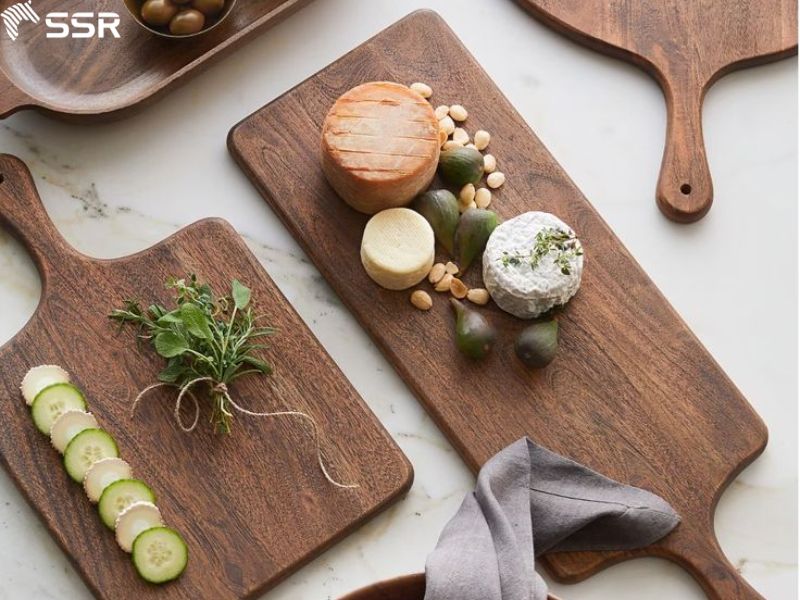
What Exactly is a Butcher Block Cutting Board?
At its core, a butcher block cutting board is a heavy-duty, robust surface designed for serious food preparation. Historically, these substantial blocks were the workhorses of butcher shops, built to withstand the rigorous demands of carving, cleaving, and chopping large cuts of meat. That’s where the name “butcher block” originated – from its popularity among professional butchers who relied on these sturdy surfaces for their daily work.
While traditional butcher’s blocks were often simple, thick tree rounds, modern iterations are crafted from carefully selected hardwoods, laminated together to create an exceptionally durable surface. Today, the term “butcher block” can refer to a standalone cutting board, a built-in kitchen island, or even a countertop, all sharing the hallmark of thick, resilient wood construction. Unlike thinner, standard cutting boards, butcher blocks are designed to absorb forceful blows without cracking and provide a stable, immovable base for intense chopping tasks.
The roots of the butcher block cutting board stretch back to ancient civilizations, with evidence of wooden boards used in Egypt as early as 3,500 BCE. The Romans also utilized wooden boards for their culinary endeavors. Through the medieval period, European butchers and cooks favored thick boards made from hardwoods like beech, maple, or oak. The Industrial Revolution brought machinery that allowed for larger-scale production, making butcher blocks more accessible for both professional and domestic use, solidifying their place in kitchens worldwide.
The Heart of the Block: Understanding Wood Grain Construction
What truly defines a butcher block’s performance and appearance lies in its wood grain construction. There are two primary styles you’ll encounter: end grain and edge grain, each with distinct advantages. A third, face grain, is rarely used for heavy-duty butcher blocks.
End Grain Butcher Block: The Knife’s Best Friend
Imagine a bundle of tiny, vertical straws. When you cut into an end grain butcher block, your knife blade glides between these wood fibers, much like slicing into the ends of those straws. This unique “self-healing” property means the wood fibers part, absorbing the impact of the blade, and then largely close back up. This makes end grain boards exceptionally gentle on your knives, helping them stay sharper for longer. The surface also resists deep cuts and shows less wear over time, contributing to its remarkable durability and longevity. Visually, end grain boards often feature a distinctive checkerboard or mosaic pattern, showcasing the cross-sections of the wood. However, this intricate construction typically involves more labor and materials, making end grain butcher blocks generally more expensive and requiring more frequent oiling due to the wood’s vertical orientation allowing oil to evaporate more easily.
Edge Grain Butcher Block: Sturdy and Practical
In contrast, edge grain butcher blocks are constructed by laminating long strips of wood together, with the wood fibers running horizontally across the surface. This creates a panel-like appearance, similar to a hardwood floor. Edge grain boards are very durable and often more resistant to moisture and staining than their end grain counterparts. They are also more economical to produce, making them a popular choice for those seeking a robust cutting surface without the higher price tag of end grain. While sturdy, an edge grain board’s fibers are cut across the grain, meaning your knife blade severs these fibers with each cut. Over time, this can lead to more visible knife marks and potentially dull your knives a bit faster than an end grain board.
Why Not Face Grain?
Face grain, also known as flat grain, involves laying wider planks of wood flat and joining them along their edges. While attractive for countertops or tabletops, this construction is the least common for heavy-duty butcher blocks because it shows knife marks and wear much faster than either end or edge grain.
Choosing Your Perfect Companion: Best Woods for Butcher Blocks
Selecting the right wood for your butcher block is crucial for its performance, durability, and aesthetics. Not all woods are created equal when it comes to standing up to the demands of a busy kitchen.
The best woods for butcher blocks share a few key characteristics:
- Hardness: Measured by the Janka hardness scale, the wood should be hard enough to resist gouging but not so hard that it dulls your knives excessively.
- Closed Grain: Woods with small, tight pores are preferred as they are less likely to harbor bacteria and absorb moisture or stains.
- Non-toxic: Crucially, the wood must be food-safe and not impart any harmful chemicals or unpleasant tastes.
Here are some top contenders for butcher block materials:
- Maple: The Traditional Favorite. Hard maple is widely considered the industry standard for cutting boards and butcher blocks. With a high Janka rating (around 1450 lbf), it offers an ideal balance of hardness and kindness to knife edges. Its fine, closed grain naturally resists bacteria, moisture, and stains, making it exceptionally hygienic and durable. Maple’s light, neutral color is also a classic, though it can make stains slightly more visible.
- Walnut: Beauty Meets Functionality. Walnut (around 1010 lbf on the Janka scale) is a dense hardwood celebrated for its striking dark color and unique grain patterns. It’s a “Goldilocks” wood – not too hard, not too soft – making it gentle on knives while still being durable. Its semi-porous, closed grain makes it a good choice for kitchen environments, and its rich hue helps conceal minor stains.
- Cherry: A Classic Choice. Cherry wood is another excellent option, offering a beautiful reddish-brown hue that deepens with age. It’s a durable hardwood with good knife-friendly properties.
Other hardwoods like teak and acacia can also be used. Teak is water-resistant and holds natural oils well, but its high silica content can dull knives over time. Some open-pored woods like oak and mahogany are best avoided as they can harbor bacteria and are harder to keep clean. Softwoods like pine are too soft and will show knife marks quickly, and some woods are simply toxic.
Keeping Your Butcher Block Pristine: Care, Cleaning, and Longevity
A butcher block cutting board is an investment, and with proper care, it can truly last a lifetime. Neglect, however, can lead to warping, cracking, and an unsanitary surface.
Daily Cleaning Rituals
After each use, especially for food display or preparation, your butcher block needs attention. Start by scraping off any stuck-on food debris with a plastic scraper or spatula. Then, scrub the board thoroughly with warm water and a small amount of mild dishwashing detergent. Rinse well and, crucially, dry it immediately with a clean cloth.
Never soak your butcher block cutting board in water or put it in the dishwasher. Wood expands unevenly when saturated, leading to cracks, warping, and irreversible damage. After drying by hand, lean it against a wall or upright surface to allow for complete air circulation and drying.
Deep Cleaning and Sanitization
For thorough disinfection, you can sanitize your butcher block with a 1:1 mixture of distilled white vinegar and water. Spray the surface lightly, let it sit for about 10 minutes, then rinse thoroughly and dry completely.
For stubborn stains, a paste made of table salt and lemon juice can work wonders to lighten discoloration caused by tannins in fruits and vegetables. For removing strong odors, hot water and baking soda paste are excellent and inexpensive fixes.
The Essential Oiling and Conditioning
Oiling is the lifeblood of your butcher block, preventing it from drying out, cracking, and warping. It also creates a protective barrier against moisture and bacteria.
- Type of Oil: Always use a food-grade mineral oil. It’s inert, tasteless, edible, and won’t turn rancid. You can often find it in pharmacies (sometimes near laxatives!). Avoid vegetable oils, coconut oil, or olive oil, as these organic oils contain fats that will go rancid over time, leading to unpleasant odors and sticky residue.
- Frequency: A general rule of thumb is to oil your board once a week for the first month, then once a month for the next few months, and then “as needed” based on its appearance. If your board looks dry, it’s time for oiling. Heavy users might need to oil every two weeks.
- Application: Apply a generous amount of mineral oil to all surfaces of the board (top, bottom, and sides) using a clean cloth or paper towel. Don’t worry about over-oiling initially; the wood will absorb what it needs. Allow the oil to soak in overnight, then wipe off any excess with a clean paper towel in the morning. For an extra layer of protection and a silky finish, follow up with a board butter (a mixture of mineral oil and beeswax).
Food Safety First: Preventing Cross-Contamination
When working with raw meats, poultry, and fish, food safety is paramount. While wood has some natural antibacterial properties (bacteria can be drawn into the wood fibers and die due to lack of moisture), it’s always best practice to take precautions.
Consider having a separate, smaller cutting board for raw meats, or dedicate one side of your butcher block exclusively for this purpose. Always clean and sanitize your butcher block thoroughly after it has come into contact with raw animal products. This prevents the spread of harmful bacteria to other foods.
Beyond the Cut: Other Uses and Considerations
A butcher block’s utility extends beyond just chopping. Its substantial presence makes it an impressive serving platter for charcuterie, cheeses, or breads. A large butcher block can also serve as a stylish and functional extension of your kitchen island.
When choosing, consider:
- Thickness: A minimum of 1.5 inches, and ideally 2 inches or more, is recommended for durability and stability, especially for end grain constructions.
- Size: Opt for a board large enough to comfortably handle your typical food prep tasks, ideally at least 12×12 inches for effective butchering.
- Features: Some boards come with rubber feet for stability, or juice grooves to catch liquids from meats and juicy fruits, preventing messes on your countertop.
Expert Insight: “A Well-Maintained Butcher Block is a Legacy”
“Investing in a high-quality butcher block is like bringing a piece of culinary history into your home,” says Chef Eleanor Vance, a renowned kitchenware specialist. “But its true value isn’t just in the initial purchase; it’s in the commitment to proper care. A well-maintained butcher block isn’t just a tool; it’s a legacy, ready to serve your family for generations, accumulating stories and flavors with every chop.”
Frequently Asked Questions
How often should I oil my butcher block?
For new butcher blocks, oil once a week for the first month, then monthly for a few months. After that, oil as needed – typically when the wood appears dry or dull. Heavy usage or dry climates may require more frequent oiling.
Can I use olive oil on my butcher block?
No, you should never use olive oil, vegetable oil, or coconut oil on your butcher block. These organic oils can turn rancid over time, leading to unpleasant odors and a sticky, unsanitary surface. Always use food-grade mineral oil.
Are butcher blocks truly antibacterial?
Wooden cutting boards, especially end grain, have been shown to draw bacteria into their inner layers where the bacteria die due to lack of moisture. While this offers a degree of natural resistance, it’s still crucial to clean and sanitize your butcher block thoroughly after each use, particularly after handling raw meats, to ensure optimal food safety.
What’s the ideal thickness for a butcher block?
For a true butcher block, a thickness of at least 1.5 inches, and ideally 2 inches or more, is recommended. This thickness provides the necessary stability, durability, and resistance to warping or cracking under heavy use.
Can I cut raw meat on my butcher block?
Yes, you can cut raw meat on your butcher block. However, it’s best practice to use a separate board for raw meats or dedicate one side of your butcher block specifically for this purpose. Always clean and sanitize the surface thoroughly immediately after contact with raw meat to prevent cross-contamination.
Conclusion
The butcher block cutting board is far more than a simple kitchen accessory; it’s a foundational tool that brings professional-grade durability and timeless beauty to your culinary space. By understanding the nuances of end grain versus edge grain construction, selecting the right wood, and committing to a consistent care and maintenance routine, you ensure your butcher block remains a cherished, hygienic, and highly functional centerpiece for years to come. Embrace the art of chopping, slicing, and dicing with confidence, knowing your butcher block is up to the task, ready to handle every culinary adventure you embark upon. Invest wisely, care diligently, and let your butcher block become a testament to your passion for cooking.