Few things elevate a gathering quite like a beautifully arranged cheese board. It’s more than just a platter; it’s a statement, a centerpiece, and a delightful journey for the senses. But the unsung hero of this culinary canvas is often the Cheese Cutting Board itself. Choosing the right one and knowing how to care for it can dramatically enhance your presentation, protect your knives, and even subtly influence the flavors of your carefully selected cheeses. Whether you’re a seasoned host or just starting your cheese-loving adventure, understanding your board is key to crafting unforgettable moments.
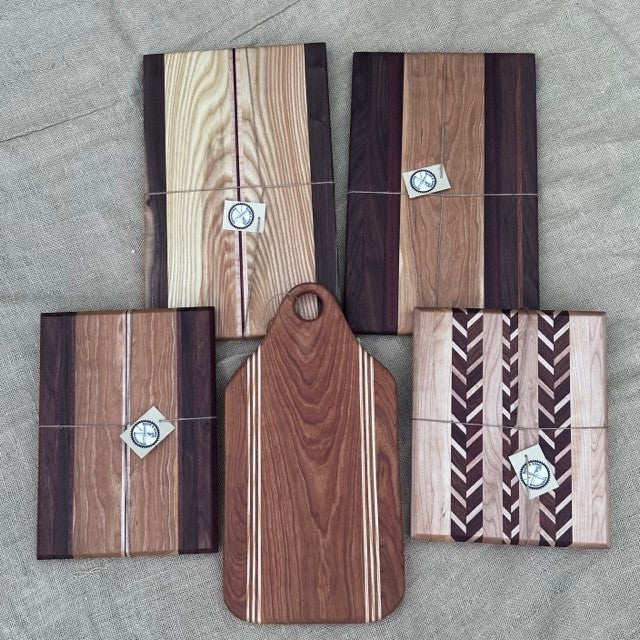
The Heart of the Party: Why Your Cheese Board Matters
A great cheese board isn’t just about the delicious cheeses and accompaniments you display; it’s about the foundation upon which that edible art rests. Your cheese cutting board plays multiple vital roles, from providing a stable, knife-friendly surface for slicing and serving, to serving as a beautiful backdrop that makes your spread pop. Investing in the right board means protecting your kitchen surfaces, ensuring optimal hygiene, and ultimately, making your cheese experience more enjoyable and elegant.
A Journey Through Time: The Enduring Charm of the Cheese Board
While the elaborate “charcuterie board” trend might seem recent, the act of serving cheese on a dedicated surface has roots stretching back centuries. What began as a simple, functional slab for preparing and presenting dairy has evolved into an art form. Today’s cheese cutting board can range from rustic wooden planks evoking old-world charm to sleek, modern designs that fit contemporary aesthetics, reflecting our enduring love for cheese and the joy of sharing it.
Deciphering the Materials: What’s Your Cheese Board Made Of?
The material of your cheese cutting board significantly impacts its performance, durability, and aesthetic appeal. Let’s slice into the most popular options:
Wooden Cheese Boards: The Timeless Classic
Wooden boards are arguably the most iconic choice for serving cheese, beloved for their natural beauty and warmth. Hardwoods like maple, acacia, bamboo, walnut, beechwood, oak, olive, and even fir or poplar are common.
- Pros: Wood is gentle on your precious cheese knives, preventing them from dulling quickly. Many woods, especially hardwoods, are naturally durable and, with proper care, can resist knife marks well. Interestingly, wood possesses natural antibacterial properties; studies suggest that bacteria absorbed into the wood tend to die off over time, unlike plastic where they can thrive in grooves. They also bring a rustic, inviting charm to any table.
- Cons: Wooden boards require more maintenance. They are not dishwasher safe and can warp, crack, or harbor odors if not cleaned and conditioned correctly. Softer woods might show knife marks more easily.
Marble and Slate: Elegance and Chill
For those seeking a touch of sophistication, marble and slate cheese cutting boards are stellar choices.
- Pros: Marble’s naturally cool surface is ideal for serving soft, creamy cheeses like Brie or chèvre, helping them maintain their perfect texture longer, especially on a warm day. Slate offers a sleek, modern look and its non-porous surface is easy to clean. Many slate boards even allow you to label cheeses with chalk, adding a personalized touch.
- Cons: Both marble and slate can be heavy and are more prone to chipping or cracking if dropped or mishandled. They can also be harder on your knife edges compared to wood, potentially dulling them faster.
Glass, Plastic, and Ceramic: Modern and Hygienic Options
These materials offer practical advantages, particularly when hygiene is a top priority.
- Pros: Glass, plastic, and ceramic boards are often non-porous, making them highly hygienic and easy to clean. Many plastic and glass boards are conveniently dishwasher-safe. Plastic boards are also generally lightweight and affordable.
- Cons: The biggest drawback for glass and ceramic boards is their hardness, which can quickly dull your knives. Plastic boards, while easy to clean, can develop deep knife grooves over time, which can become breeding grounds for bacteria if not replaced regularly. They may also lack the aesthetic appeal of wood or marble.
Other Considerations: Stainless Steel and Silicone
While less common for cheese boards, stainless steel and silicone have their niche. Stainless steel offers extreme durability and hygiene, often seen in commercial settings, but it’s very hard on knives. Silicone boards are flexible, knife-friendly, and durable for general chopping, but might not offer the presentation flair desired for a dedicated cheese board.
How to Choose Your Perfect Cheese Cutting Board
Selecting the ideal cheese cutting board involves a bit of self-reflection about your needs and style.
Considering Your Culinary Needs: Beyond Just Cheese
Will your board be solely for displaying cheese, or will it also double as a prep surface for fruits, vegetables, or even light charcuterie? If you plan to cut heavily, a knife-friendly material like hardwood or bamboo is paramount. If it’s purely for serving, aesthetics and temperature control (like with marble) might take precedence.
Size and Shape: Finding the Right Fit
Consider the occasions you’ll be using it for. A large rectangular board offers ample space for a lavish spread for many guests, accommodating longer items like baguettes or rows of crackers. A smaller, round board might be perfect for an intimate gathering or a simple cheese and wine night. An overcrowded board can detract from the presentation, so ensure it offers enough surface area.
Durability and Aesthetics: A Long-Term Investment
A high-quality cheese cutting board should be a durable workhorse that withstands frequent use without warping, cracking, or dulling your knives excessively. Look for materials known for their longevity and resistance to scratches and stains. Beyond functionality, consider the visual appeal. Do you prefer the warm, rustic look of wood, or the cool, sleek elegance of marble? The right board should complement your home and elevate your serving style.
Keeping It Pristine: Care, Cleaning, and Best Practices
Proper care is paramount for preserving the beauty, hygiene, and longevity of your cheese cutting board.
The Golden Rules of Cleaning Your Cheese Board
“Treat your cheese board with the respect it deserves, and it will serve you beautifully for years,” advises culinary expert Julianna Rossi. “The most critical rule for wood, marble, or slate is: never, ever put it in the dishwasher.”
- Handwashing is Key: Always wash your board by hand immediately after use. Use warm water and a small amount of mild dish soap with a soft sponge or cloth. For stubborn food bits, a plastic scraper can be helpful, but avoid abrasive scrubbers like steel wool, which can damage the finish.
- No Soaking Allowed: Prolonged exposure to water, especially for wooden boards, can lead to warping, cracking, and splitting. Simply wash, rinse thoroughly, and move on to drying.
- Proper Drying Techniques: After washing, wipe the board dry with a clean towel. Then, allow it to air dry completely in a well-ventilated area, preferably standing upright or on a wire rack to ensure even drying and prevent moisture buildup. This step is crucial to prevent warping and mold growth.
Nourishing Wooden Boards: Oiling and Conditioning
Wooden and bamboo boards benefit immensely from regular oiling, which penetrates and saturates the wood fibers, creating a barrier against moisture and bacteria.
- Types of Oil: Use food-grade mineral oil, hemp oil, flaxseed oil, or a specialized board conditioner. These are odorless, flavorless, and safe for food contact.
- Application: Apply a generous amount of oil to a clean, dry board with a soft, lint-free cloth, rubbing it into all surfaces and edges following the grain. Let the oil soak in for several hours or even overnight.
- Frequency: Oil your board once a month, or whenever the wood starts to look dry and thirsty. If your board is new, give it a few generous coats initially.
- What to Avoid: Never use olive or vegetable oils for conditioning. Over time, these oils can turn rancid, leaving an unpleasant smell that can transfer to your food. Also, steer clear of harsh chemicals like bleach, which can stain or excessively dry out the wood.
Tackling Tough Spots: Stain and Odor Removal
Even with diligent care, your cheese cutting board might occasionally pick up stains or odors.
- Lemon and Salt Scrub: For natural deodorizing and stain removal, sprinkle coarse salt (like Kosher salt) over the board, then scrub with a halved lemon. The lemon’s acidity and the salt’s abrasive action work together to lift grime and neutralize smells.
- Baking Soda Paste: A thick paste made from baking soda and water can be applied to stubborn stains. Let it sit for a while before scrubbing gently and rinsing. For an extra boost, pour white vinegar over the baking soda paste to create a fizzing reaction that helps lift odors.
- Vinegar Solution: A simple 2:1 mixture of water and white vinegar can act as a natural disinfectant. Apply it to the board, let it sit for a few minutes, then rinse and dry.
Safe Slices: Food Safety and Cross-Contamination Prevention
When it comes to serving food, especially a spread like a cheese board, food safety is paramount.
Understanding the “Danger Zone”
Bacteria multiply rapidly in what’s known as the “danger zone”—temperatures between 40°F (4°C) and 140°F (60°C). Perishable foods, including most cheeses (especially soft ones), cut fruits, and meats, should not be left at room temperature for more than two hours. If the ambient temperature is above 90°F (32°C), this limit drops to one hour. “Always remember the two-hour rule,” advises food safety specialist Dr. Anya Sharma. “It’s the simplest way to prevent common foodborne illnesses.”
Preventing Cross-Contamination: Utensils and Preparation
Before assembling your board, ensure your hands, surfaces, and the cheese cutting board itself are impeccably clean. Wash fresh produce thoroughly. Once served, encourage guests to use dedicated serving utensils, tongs, or toothpicks for each item to prevent the spread of germs. If you plan to use your board for both cheese and other items, consider having a designated board for raw proteins to avoid any cross-contamination risks.
The Importance of Pasteurized Cheeses
For certain demographics, such as pregnant individuals, young children, or those with compromised immune systems, opting for cheeses made from pasteurized milk is a safer choice. Soft cheeses, like Brie or blue cheese, made with unpasteurized milk can pose a listeria risk. Always check labels to ensure milk has been pasteurized. In the U.S., raw milk cheeses must be aged at least 60 days, as aging helps kill bacteria.
When to Refresh: Replenishing Your Board Safely
If your gathering lasts longer than two hours, it’s wise to put out smaller portions of perishable items and replenish them with fresh, refrigerated items throughout the event. This practice ensures that food stays within safe temperature limits and minimizes the risk of bacterial growth.
Beyond the Board: Elevating Your Cheese Experience
Your cheese cutting board is the stage, and the ingredients are your performers. Here’s how to make them shine.
Curating Your Cheese Selection: A Symphony of Flavors and Textures
Aim for variety! A good rule of thumb is to select 3-5 different cheeses that offer a range of textures (soft, semi-soft, semi-firm, firm) and flavors (mild, sharp, nutty, tangy, pungent). Many experts recommend the “something old, something new, something goat, and something blue” approach to cover different categories and ensure everyone finds a favorite.
The Perfect Ensemble: Accompaniments That Delight
Beyond the cheese, thoughtful accompaniments elevate the experience:
- Carbohydrates: A selection of crackers, crusty baguette slices, or artisanal bread provides the perfect vehicle for cheese.
- Fruits: Fresh fruits like grapes, apple slices, figs, and berries add freshness and sweetness. Dried fruits such as apricots, dates, and figs offer concentrated bursts of flavor.
- Nuts: Almonds, walnuts, pecans, and pistachios add a satisfying crunch and nutty depth.
- Spreads & Dips: Honey, fruit jams, fig spreads, and various mustards introduce sweet, tangy, or spicy notes that complement cheeses beautifully.
- Briny Bites: Olives, cornichons (small pickled gherkins), and other pickled vegetables provide a refreshing contrast to rich cheeses.
- Cured Meats: Thinly sliced prosciutto, salami, or chorizo add a savory, salty element.
Presentation Perfection: Arranging Your Masterpiece
The art of arranging is about creating an inviting and visually appealing spread. Start by placing your larger items, like whole cheese blocks and small bowls of dips or nuts, to anchor the board. Then, fill in the spaces with smaller items, paying attention to contrasting colors and textures. Fan out sliced meats, artfully arrange fruits, and scatter nuts to create a sense of abundance. Fresh herbs like rosemary or edible flowers can add a final, elegant touch.
What’s the Difference? Cheese Board vs. Charcuterie Board
While often used interchangeably, there’s a subtle distinction. A cheese cutting board primarily features a selection of cheeses, with other items acting as accompaniments. A charcuterie board, on the other hand, centers around an assortment of cured meats (the word “charcuterie” literally means cold, cooked meat), with cheeses and other items playing a supporting role. Many modern boards beautifully blend elements of both!
Frequently Asked Questions (FAQ)
How often should I oil my wooden cheese board?
You should oil your wooden cheese board at least once a month, or whenever the wood appears dry or dull. More frequent use may necessitate oiling every few weeks to keep it conditioned and protected.
Can I use my cheese board for cutting raw meat?
It’s generally recommended to have a separate, dedicated cutting board for raw meats to prevent cross-contamination. While a wooden board can be disinfected, the porous nature of wood can absorb juices and harbor bacteria if not cleaned meticulously.
How do I remove stubborn odors from my cheese board?
For persistent odors, a scrub with half a lemon and coarse salt is very effective. Alternatively, make a paste with baking soda and a little water, apply it to the board, let it sit, then rinse with white vinegar before drying.
Is it safe to leave cheese on the board overnight?
No, perishable foods, including most cheeses, should not be left at room temperature for more than two hours. After this time, harmful bacteria can multiply rapidly. Always refrigerate leftovers promptly.
What are the best types of cheese knives to use?
A good cheese knife set typically includes a pointed knife for breaking hard cheeses, a flat-edged knife (often resembling a mini axe) for slicing, and a spreader for soft, creamy cheeses. Different knives help preserve the integrity of various cheese textures.
My wooden board is warping, what can I do?
Warping usually occurs from uneven moisture exposure or improper drying. Try re-wetting the concave side lightly and letting it dry slowly under a heavy weight to flatten it. Regular oiling helps prevent warping by sealing the wood against moisture.
Conclusion: Crafting Unforgettable Moments
Your cheese cutting board is more than a kitchen tool; it’s an essential element in the art of hospitality and culinary enjoyment. By understanding the best materials, making an informed choice, and committing to proper care and food safety practices, you empower yourself to create stunning, delicious, and safe cheese experiences. So go ahead, select your perfect board, gather your favorite cheeses, and let your creativity flow. Every beautifully presented board is an invitation to connect, share, and savor the simple luxuries of life.