Stepping into a well-appointed kitchen often reveals a secret weapon cherished by chefs and home cooks alike: the Hinoki Cutting Board. More than just a surface for slicing and dicing, a hinoki cutting board offers a blend of tradition, functionality, and sensory delight that transforms everyday meal preparation. If you’re looking to upgrade your kitchen tools, understanding the nuances of this Japanese cypress marvel is your first step toward a more refined culinary journey.
Hinoki, a revered Japanese cypress, isn’t just any wood. For centuries, this evergreen tree, native to the lush landscapes of Japan, has been used in building everything from sacred temples and grand shrines to exquisite furniture. Its enduring legacy in Japanese culture speaks volumes about its remarkable durability and natural beauty. Today, it brings that same heritage and quality to your kitchen in the form of an exceptional cutting board.
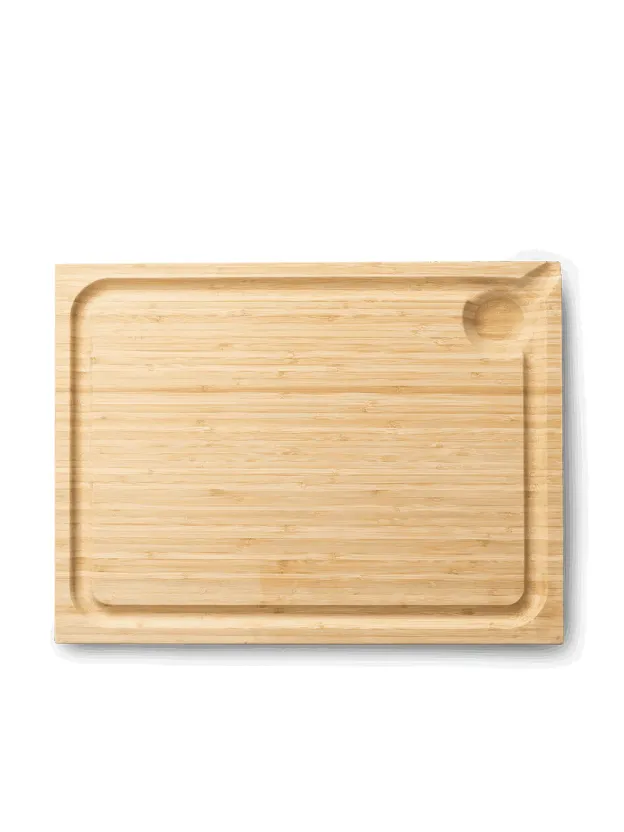
The Allure of Hinoki: Why This Wood Stands Apart
What makes a hinoki cutting board so highly sought after? It’s a combination of unique properties that cater to both the practicalities of cooking and the desire for a pleasant kitchen environment.
A Natural Shield Against Bacteria
One of the most compelling reasons to choose a hinoki cutting board is its inherent cleanliness. Hinoki wood naturally contains compounds called phytoncides, which are powerful antimicrobial oils. These natural agents actively inhibit bacterial growth, helping to keep your cutting surface more hygienic. This makes hinoki a fantastic choice for anyone serious about food safety, providing an added layer of protection as you prepare meals.
Your Knives’ Best Friend: Preserving Sharpness
Have you ever noticed your knives dulling quickly on harder cutting surfaces? That’s where hinoki truly shines. This medium-soft wood offers a gentle, resilient surface that “gives” slightly as your knife blade makes contact. Instead of harshly impacting a rigid surface, your knife edge subtly cuts into the wood. This protective embrace keeps your knife blades sharper for longer, reducing the frequency of honing and sharpening. Those faint knife marks you see? They’re not a flaw; they’re a sign your hinoki cutting board is doing its job, safeguarding your precious cutlery investment.
Aromatic Qualities: A Whiff of Tranquility
Beyond its practical benefits, a hinoki cutting board brings a subtle, calming fragrance to your kitchen. The wood emits a delicate, citrusy aroma that many find incredibly soothing. This natural scent can actually enhance your cooking experience, turning a routine task into a more mindful and enjoyable moment. It’s a sensory touch that plastic or glass boards simply cannot replicate.
Lightweight Yet Durable: Designed for Daily Use
Despite its robustness, hinoki wood is surprisingly lightweight, making these cutting boards easy to handle, move, and clean. This is a significant advantage, especially for larger boards. Furthermore, hinoki is naturally resistant to moisture and rot, ensuring it withstands the rigors of daily kitchen use. Unlike many other wood types, hinoki also dries relatively quickly, which is key for maintaining hygiene and preventing mold. Its dense grain means it’s less prone to developing deep knife grooves that can harbor bacteria, a common issue with softer woods or well-used plastic boards.
A Touch of Elegance: Aesthetic Appeal
The warm, light color and distinctive, elegant grain patterns of hinoki wood add a touch of understated sophistication to any kitchen. Whether leaning against a backsplash or displayed on a counter, a hinoki cutting board is as much a piece of functional art as it is a culinary tool. It effortlessly blends traditional Japanese aesthetics with modern kitchen design.
Mastering the Art of Hinoki Cutting Board Care
To ensure your hinoki cutting board remains a cherished kitchen companion for years, proper care is paramount. It’s not complicated, but it does require a few specific steps.
Preparing Your Board: The Sushi Chef’s Secret
Before you even make your first cut, embrace a simple, time-honored practice: always wet your hinoki cutting board with water. This creates a thin, protective barrier of moisture on the surface, preventing strong food odors, vibrant colors, and oils from soaking deeply into the wood. After a quick rinse, lightly wipe off any excess water with a paper towel or clean cloth, and your board is ready for action.
Post-Use Cleansing: Prompt and Proper
The golden rule for any cutting board applies especially to hinoki: wash it immediately after use. This prevents food residues from drying and odors from setting in.
- Washing: Use a mild dish soap and warm water, particularly after handling raw meat or fish. Always scrub along the wood grain using a sponge or a gentle brush. Traditional Japanese palm-fiber scrubbers, like a Kamenoko Tawashi, are excellent for this purpose. Remember to wash both sides of the board evenly to prevent any potential warping due to uneven moisture absorption.
- Stain Removal: For persistent spots or discoloration, a natural approach works wonders. Gently rub a cut lemon directly onto the stain, or create a paste with baking soda and a little water and scrub. For truly stubborn discoloration, very fine-grit sandpaper can be used sparingly to remove a thin layer of the surface.
- Disinfection: For periodic sanitization, especially after cutting raw proteins, you can carefully pour boiling water over the already cleaned and soaped surface. Be cautious, though: if you apply boiling water before washing with soap, food proteins can harden and embed into knife marks, potentially encouraging bacterial growth.
The Drying Ritual: Patience is Key
Proper drying is critical to prevent warping and mold growth.
- Towel Dry: After washing, wipe the hinoki cutting board thoroughly with a clean towel.
- Air Dry: Stand the board upright in a well-ventilated area, ensuring the wood grain is vertical. A cutting board stand or hanging it from a hook (if it has one) is ideal. Avoid storing it flat, especially if moisture could get trapped underneath, which can lead to unsightly black mold.
- Avoid Harsh Drying: Never place your hinoki board in direct sunlight or expose it to excessive heat from appliances. High heat and UV rays can cause the wood to warp, crack, and potentially dry out too quickly.
What to Avoid: The “Don’ts” of Hinoki Care
To truly cherish your hinoki cutting board, steer clear of these common pitfalls:
- Dishwasher: This is a definite no-go. The high heat, harsh detergents, and intense water pressure of a dishwasher will strip the wood’s natural oils, cause warping, and lead to irreversible cracking.
- Metal Scrubbers: These will scratch and damage the delicate surface of the hinoki wood.
- Heavy Pounding: While durable, hinoki boards are designed for slicing and chopping, not heavy cleaver work or pounding. Excessive force can leave deep cuts or damage the wood.
- Prolonged Soaking: Do not soak your board in water for extended periods, as this can lead to swelling and splitting.
- Harsh Chemicals: Bleach or other strong chemical cleaners can strip the wood’s natural oils and potentially leave residues that could contaminate food.
Food Safety and Preventing Cross-Contamination
Hinoki’s natural antibacterial properties are a significant advantage for food safety. The phytoncides actively work to minimize germ growth. However, a wooden cutting board’s hygiene ultimately depends on your practices. By consistently washing your hinoki cutting board immediately after use, especially between different food types (like raw meat and vegetables), and ensuring it dries thoroughly, you mitigate the risk of cross-contamination. Its resilient surface, less prone to deep grooves compared to plastic, also means fewer hidden spots for bacteria to thrive.
Beyond the Kitchen: A Piece of Japanese Heritage
The appeal of hinoki extends beyond its utility. Owning a hinoki cutting board connects you to a rich Japanese heritage of craftsmanship and respect for natural materials. Its minimalist elegance makes it a beautiful addition to any kitchen decor, often displayed proudly rather than hidden away. Some premium hinoki boards even feature unique enhancements, like urushi-lacquered edges. This traditional Japanese natural lacquer is applied to the end grain to prevent excess moisture absorption, further extending the board’s life and maintaining its integrity. It’s an example of how ancient techniques meet modern culinary needs.
Choosing Your Perfect Hinoki Cutting Board
When selecting a hinoki cutting board, consider the size and thickness that best suit your cooking style and kitchen space. Think about the types of ingredients you typically prepare and how much surface area you need. While most hinoki boards offer similar core benefits, some variations in grain (though less emphasized for hinoki than for other woods) or special features like an urushi edge can influence your choice. Look for boards from reputable brands that emphasize sustainable sourcing, often indicated by FSC-certification, ensuring you’re supporting responsible forestry practices.
Expert Insight: Why Hinoki is a Must-Have
“From my years in professional kitchens, a hinoki cutting board is more than just a tool; it’s an investment in both your knives and your culinary experience,” says Chef Kenji Tanaka, a renowned Japanese cuisine expert. “The way it treats your blades and that subtle, clean aroma are unmatched. With proper care, these boards truly become extensions of your craft.”
Frequently Asked Questions About Hinoki Cutting Boards
Q1: Are hinoki cutting boards truly antibacterial?
A: Yes, hinoki wood contains natural compounds called phytoncides, which have inherent antibacterial properties that help inhibit the growth of germs on the surface.
Q2: Can I put my hinoki cutting board in the dishwasher?
A: Absolutely not. The high heat, strong detergents, and intense water pressure of a dishwasher will cause your hinoki board to warp, crack, and strip its natural oils, severely damaging it.
Q3: How do I prevent my hinoki cutting board from warping?
A: To prevent warping, always wash both sides of the board evenly and allow it to air-dry upright in a well-ventilated area, away from direct heat or sunlight.
Q4: What kind of oil should I use to maintain my hinoki cutting board?
A: Hinoki wood naturally contains oils. While not always necessary at first, if the board looks dry or pale, you can lightly apply a food-safe oil like mineral oil or even olive oil to restore moisture and protect the wood.
Q5: Are knife marks on a hinoki cutting board a bad sign?
A: No, knife marks are a normal and even desirable sign. They indicate that the medium-soft hinoki wood is “giving” as you cut, protecting your knife’s edge from dulling.
Q6: How often should I clean my hinoki cutting board?
A: You should wash your hinoki cutting board immediately after each use with mild soap and water to prevent odors and residue buildup.
Q7: What does hinoki wood smell like?
A: Hinoki wood has a distinctive, delicate, and fresh citrusy fragrance that many find calming and invigorating, adding a pleasant aroma to your kitchen.
Conclusion: Embrace the Hinoki Difference
Choosing a hinoki cutting board is more than just acquiring a kitchen tool; it’s an adoption of a mindful approach to cooking and an appreciation for natural craftsmanship. With its remarkable antibacterial properties, gentle touch on knife blades, enchanting aroma, and inherent durability, a hinoki cutting board offers an unparalleled culinary experience. By following simple care guidelines, you’ll ensure this beautiful and functional piece of Japanese heritage serves you faithfully for countless meals to come. Experience the difference a hinoki cutting board can make in your kitchen, enhancing not just your food preparation, but your entire cooking ritual.