Stepping into the world of Japanese cuisine, you quickly learn that precision is paramount. Every slice, every cut, is an art form, and at the heart of this artistry lies a tool often overlooked: the cutting board. More than just a surface, a Japanese Cutting Board, or manaita, is a culinary partner, meticulously crafted to protect your precious knives and enhance your cooking experience. Forget the harsh, unforgiving surfaces of some Western boards; the Japanese approach embraces softness, hygiene, and tradition to create a foundation for truly exquisite food preparation.
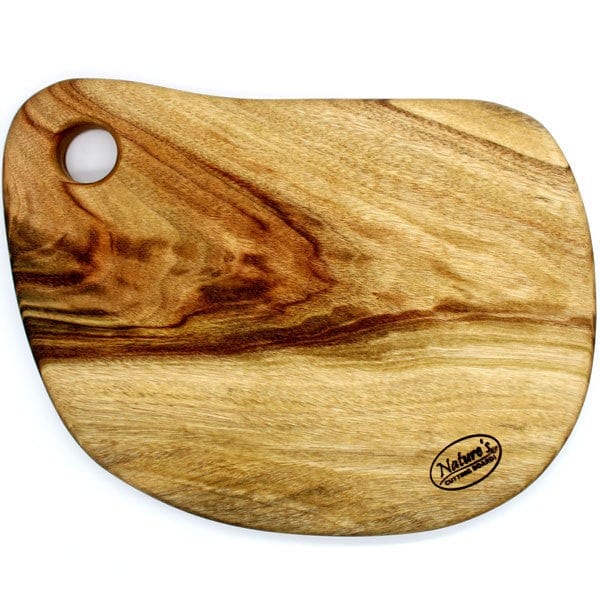
Why Japanese Cutting Boards Are a Cut Above: Protecting Your Blades
The secret behind the legendary sharpness of Japanese knives isn’t just in their steel or craftsmanship; it’s also in how they’re used and maintained. These blades are often harder, thinner, and sharpened to a more acute angle than their Western counterparts, making them incredibly precise but also more susceptible to chipping or dulling on an unsuitable surface.
The Delicate Edge: Understanding Japanese Knives and Their Needs
Traditional Japanese knives, whether it’s a single-bevel yanagiba for slicing sashimi or a versatile santoku, boast a razor-sharp edge designed for delicate work. Unlike the heavier, rocking chop often associated with Western cooking, Japanese culinary techniques emphasize a smooth, drawing, or push cut. This style demands a cutting surface that “gives” slightly, allowing the blade’s edge to embed itself momentarily rather than colliding with a hard, unyielding material. Hard surfaces like glass, stone, or even dense plastics can cause micro-chips in the blade, rapidly dulling your knife and necessitating frequent, costly sharpening.
Beyond Hard Surfaces: The Philosophy of Softness
The Japanese philosophy extends to the cutting board itself, prioritizing materials that are inherently gentle on knife edges. This “softness” isn’t about flimsiness; it’s about a resilient, forgiving surface that absorbs the impact of the blade, preserving its keenness and extending its lifespan. Choosing the right manaita is an investment not just in the board, but in the longevity and performance of your entire knife collection.
A Deep Dive into Materials: Choosing Your Japanese Cutting Board
Japanese cutting boards come in a variety of materials, each offering unique benefits tailored to different needs and preferences. The two dominant categories are traditional wood and high-performance synthetics.
Hinoki Wood: The Aromatic, Traditional Choice
Hinoki cypress is perhaps the most iconic material for traditional Japanese wooden cutting boards. Revered for centuries, these boards are a staple in many Japanese kitchens, cherished for their natural beauty, functionality, and distinctive properties.
Hinoki wood is known for its remarkable softness and elasticity, allowing the knife edge to gently sink into the surface upon slicing. This subtle “give” is excellent for maintaining blade sharpness. Beyond its knife-friendly nature, Hinoki boasts natural antibacterial properties, largely due to a compound called Hinokitiol, which contributes to a more hygienic cutting surface. It’s also lightweight, fast-drying, and emits a pleasant, subtle lemony-pine aroma that many find appealing.
However, Hinoki boards do require a bit more attention. They aren’t dishwasher safe and need to be thoroughly dried upright in a well-ventilated area after each use to prevent warping or mold. Some users also find they can stain more easily than synthetic boards if not pre-wetted or cleaned promptly. “The subtle ‘give’ of a Hinoki board is like a gentle embrace for my finest knives, a tradition passed down through generations,” remarks Chef Kaito, emphasizing the board’s deep connection to knife care. For sushi and sashimi preparation, its natural antibacterial qualities and gentle surface make it a favorite among professional chefs.
High-Performance Rubber and Synthetics: The Modern Professional’s Edge
In professional Japanese kitchens, especially sushi restaurants, high-performance synthetic rubber or composite boards have become incredibly popular. Brands like Hasegawa, Asahi, and Yoshihiro Hi-Soft lead this category, offering a compelling blend of knife-friendliness and superior hygiene.
These boards are engineered from advanced materials, often a proprietary blend of synthetic rubber or polyethylene, designed to mimic the softness of wood while offering enhanced durability and sanitation. They are exceptionally gentle on knife edges, cushioning the blade and preventing dulling or chipping. Their non-porous surfaces are a major advantage, resisting the absorption of odors, stains, and bacteria, making them incredibly easy to clean and sanitize. Many of these professional-grade boards, particularly those with a wood core like some Hasegawa models, are also lightweight, rigid, and resistant to warping, even in high-temperature commercial dishwashers. This combination of attributes makes them ideal for busy environments where strict hygiene is paramount.
While some solid rubber boards can be heavier, the wood-core synthetic options mitigate this. Their exceptional durability means they can last for years, even decades, with proper care, making them a wise long-term investment for serious cooks and professionals alike.
Soft Polyethylene: A Practical Alternative
Softer polyethylene (HDPE or LDPE) plastic boards offer a more budget-friendly and widely accessible alternative. They are lightweight, easy to clean, and often dishwasher-safe, providing convenience for everyday home use.
However, not all plastic boards are created equal. Harder plastics can still be detrimental to delicate Japanese knife edges. Even softer polyethylene boards will eventually show knife marks and grooves, which can trap bacteria over time and reduce their effectiveness. While convenient, they generally don’t offer the same level of blade protection, longevity, or tactile experience as high-quality Hinoki or advanced synthetic rubber boards. If opting for plastic, always choose a softer, higher-density polyethylene.
Selecting Your Ideal Japanese Cutting Board: A Practical Guide
Choosing the right Japanese cutting board involves more than just aesthetics; it’s about matching the board to your knives, your kitchen, and your cooking style.
Knife Compatibility: Your Blade’s Best Friend
This is arguably the most critical factor. If you own high-quality Japanese knives, prioritize boards known for their blade-friendly properties. Hinoki wood and soft synthetic rubber boards are consistently recommended for preserving the sharpness and integrity of delicate edges. Avoid materials like glass, marble, ceramic, or hard bamboo, as these will quickly damage your knives.
Size and Stability: Finding Your Kitchen’s Perfect Fit
Consider the dimensions that best suit your kitchen workspace and the volume of food you typically prepare. A board around 30-40cm in width often provides ample space for precise Japanese knife work. Thickness also plays a role in stability; boards 1.5 inches or more offer superior stability and shock absorption, though they can be heavier. Lighter, thinner boards (around 1 inch) are easier to handle and store but may flex under heavy tasks. Look for features like non-slip feet or consider placing a damp cloth underneath to prevent movement during use, enhancing safety.
Budget and Longevity: An Investment in Your Culinary Journey
Japanese cutting boards, especially high-quality wooden or synthetic ones, can represent a significant initial investment. However, their durability and ability to protect your expensive knives can save you money on knife sharpening and replacements in the long run. Solid wood boards, like Hinoki, can last decades with proper maintenance, even allowing for resurfacing to remove deep cuts. Synthetic professional boards are also built for extreme longevity. Consider your budget not just as a one-time purchase, but as an investment in your culinary tools and the enjoyment of your cooking.
Mastering Maintenance: Care and Hygiene for Extended Lifespan
Proper care is essential for any cutting board, but it’s particularly vital for Japanese manaita to ensure hygiene, prevent warping, and maintain their unique properties.
Daily Rituals: Cleaning and Drying Best Practices
After each use, immediately scrape off any food residue. Wash your board with warm water and a mild detergent. For wooden boards, a scrubbing brush is often more effective than a sponge at reaching into the grain. Rinse thoroughly and, most importantly, dry immediately. Air-drying is best done by standing the board upright or placing it in a well-ventilated rack, allowing air to circulate evenly around all surfaces. Avoid leaving boards flat on counters where moisture can accumulate and lead to warping or mold.
The Wood Whisperer: Special Care for Hinoki Boards
Hinoki boards, while resilient, benefit from specific care. They should never be soaked in water, as this can lead to warping and cracking. For Hinoki, using warm, not boiling, water for cleaning is recommended to preserve its natural properties. While Hinoki possesses natural antibacterial qualities, a touch of lemon juice can help refresh its aroma and hygiene. Regular oiling with food-grade mineral oil is crucial for wooden boards to prevent drying out and cracking, nourishing the wood and enhancing its longevity.
Keeping Synthetics Pristine: Sanitization and Dishwasher Use
High-performance synthetic boards are often simpler to maintain. Many are non-porous and can be disinfected effectively with mild bleach solutions or alcohol spray after washing with detergent. Some advanced synthetic boards, particularly those with a wood core like certain Hasegawa models, are even dishwasher-safe and resistant to high temperatures, making sanitization effortless for busy professionals and home cooks alike. Always check the manufacturer’s instructions for specific cleaning guidelines to ensure you maintain the board’s integrity.
Food Safety First: Preventing Cross-Contamination
Beyond knife care, cutting boards play a critical role in kitchen hygiene and preventing foodborne illness.
Dedicated Boards for Different Foods
A simple yet effective food safety practice is to use separate cutting boards for different food types. Designate one board for raw meats, poultry, and seafood, and another for cooked foods, fruits, and vegetables. This minimizes the risk of cross-contamination, especially crucial when handling raw fish for sushi or sashimi.
The Importance of Immediate Cleaning
No matter the material, cleaning your cutting board immediately after use is paramount. Food residues and juices can harbor bacteria. Prompt cleaning, followed by thorough drying, is the best defense against microbial growth, ensuring your manaita remains a safe and sanitary surface for all your culinary preparations.
Beyond the Slice: Versatility and Aesthetic Appeal
While primarily a functional tool, Japanese cutting boards also possess an understated beauty and versatility.
From Prep to Presentation: The Beauty of Manaita
A well-maintained Hinoki board, with its elegant grain and warm hue, can double as a stunning serving platter for sushi, sashimi, cheese, or charcuterie, bringing a touch of natural Japanese aesthetic to your dining table. Even sleek synthetic boards, with their clean lines and often minimalist design, contribute to a modern kitchen aesthetic. The deliberate choice of a high-quality manaita reflects a dedication to craftsmanship and a mindful approach to cooking, turning everyday food preparation into a more engaging and beautiful experience.
Frequently Asked Questions About Japanese Cutting Boards
Q: Are Japanese cutting boards always made of wood?
A: No, while traditional Hinoki wood boards are very popular, many professional Japanese kitchens also utilize high-performance synthetic rubber or composite boards like those from Hasegawa, Asahi, and Yoshihiro Hi-Soft. These offer excellent knife-friendliness and superior hygiene.
Q: How do I know if my cutting board is gentle enough for my Japanese knives?
A: The best indicator is how your knife feels on the surface. If the blade “sinks” slightly and doesn’t create a sharp, harsh sound, it’s likely gentle enough. Generally, soft woods like Hinoki or soft rubber/polyethylene materials are recommended. Avoid hard surfaces like glass, stone, or dense, rigid plastics.
Q: Can I use bleach on my synthetic Japanese cutting board?
A: Many synthetic rubber or polyethylene boards can be sanitized with a mild bleach solution. However, always check the manufacturer’s instructions, as some materials or specific brands may have different recommendations to maintain their integrity. Avoid bleach on wooden boards.
Q: What’s the best way to prevent my wooden Japanese board from warping?
A: The key is even drying and avoiding prolonged exposure to moisture. Always dry your wooden board thoroughly by standing it upright on its edge or in a well-ventilated rack, allowing air to circulate on both sides. Avoid soaking it or placing it in a dishwasher. Regular oiling also helps maintain wood integrity.
Q: Why are Hasegawa boards so popular among chefs?
A: Hasegawa cutting boards are highly prized by chefs, especially in Japan, for their unique wood-core synthetic rubber construction. This design makes them exceptionally knife-friendly, lightweight, rigid, warp-resistant (even in dishwashers), and highly hygienic, combining the best attributes of both wood and plastic.
A Foundation for Culinary Excellence
The journey of cooking is one of continuous learning and refinement, and your tools are your most trusted companions. A Japanese cutting board, whether a fragrant Hinoki or an advanced synthetic, is more than just a kitchen utensil; it’s a testament to a philosophy that values precision, respect for ingredients, and the longevity of finely crafted tools. By understanding the unique qualities of these boards and dedicating a little care to their maintenance, you’re not just preparing food; you’re nurturing a tradition, protecting your cherished knives, and elevating every slice, chop, and dice into an experience of true culinary art. Choose wisely, care for it well, and let your Japanese cutting board be the silent partner in countless delicious creations.