Every home cook, from the casual weeknight warrior to the seasoned culinary artist, understands the profound impact a reliable cutting surface can have on their kitchen experience. And when it comes to reliability, versatility, and sheer presence, few tools compare to a Large Butcher Block Cutting Board. It’s more than just a surface; it’s a statement, a workspace, and a vital ally in preparing delicious meals for family and friends. If you’ve ever struggled with a cramped cutting board or felt your knife dull prematurely, it might be time to discover the enduring appeal of these substantial kitchen workhorses.
The Enduring Legacy of the Butcher Block
The butcher block isn’t a modern invention; its roots stretch back centuries to traditional butcher shops where robust, thick wooden blocks were indispensable for breaking down large cuts of meat. These weren’t just simple boards; they were heavy-duty fixtures, built to withstand constant, rigorous use. Over time, as home kitchens evolved and the desire for professional-grade tools grew, the butcher block found its way into domestic settings. Today, a large butcher block cutting board embodies that same spirit of durability and functionality, bringing a piece of culinary history and unmatched utility right to your countertop. It’s a testament to timeless design and practical engineering.
Anatomy of Excellence: Materials and Construction
The magic of a great large butcher block cutting board lies in its fundamental structure and the quality of its materials. Not all wood is created equal, and neither are all construction methods.
What Wood Makes a Superior Butcher Block?
When choosing your butcher block, the type of wood is paramount. Each species offers unique characteristics in terms of hardness, durability, aesthetics, and maintenance.
- Maple: Often considered the gold standard, especially Northern Hard Rock Maple, this wood is celebrated for its exceptional density, strength, and affordability. It’s tough enough to resist deep knife marks yet forgiving on your blades, making it a top choice for culinary professionals worldwide. Maple’s light, uniform color also makes it a versatile aesthetic fit for any kitchen.
- Walnut: For those who appreciate rich, dark tones and dramatic grain patterns, American Black Walnut is an exquisite option. Beyond its striking visual appeal, walnut is known for its durability. Its slightly softer nature compared to maple provides a forgiving surface for knives, helping to maintain their edge longer while still holding up to heavy chopping.
- Cherry: American Cherry offers a beautiful reddish-brown hue that deepens and develops a rich patina over time. Its unique grain patterns make each board distinctive. Cherry is a durable hardwood that provides a stable and beautiful cutting surface, perfect for both everyday prep and elegant serving.
- Teak & Acacia: While less common for traditional “butcher blocks,” teak and acacia are also popular choices for large cutting boards. Teak is highly prized for its natural oils, which provide excellent water resistance and durability, making it ideal for moist environments. Acacia offers beautiful, varied grain patterns and good hardness at a more accessible price point.
The Art of Grain: End Grain vs. Edge Grain
The way the wood is cut and assembled is crucial, defining the board’s performance and longevity.
- End Grain: This is the hallmark of a true butcher block. In end-grain construction, individual wood pieces are cut so that the ends of the wood fibers face upward, similar to the growth rings of a tree trunk. When you cut on an end-grain board, your knife edge slides between these fibers, rather than cutting across them. This “self-healing” action makes end-grain boards incredibly durable, significantly extends the life of your knives, and minimizes visible knife marks. The distinctive checkerboard or mosaic pattern also makes them visually stunning. “An end-grain large butcher block is like a shock absorber for your knife,” explains Chef Anya Sharma, a seasoned culinary instructor. “It protects the blade and stands up to serious chopping power, making it a wise investment for any serious cook.”
- Edge Grain: In edge-grain construction, long strips of wood are glued together with the long grains running horizontally. This creates a classic, linear appearance. Edge-grain boards are still very durable and stable, offering a robust cutting surface that can withstand regular use. While they don’t offer the same “self-healing” properties as end-grain, they are often lighter and more affordable, making them a popular choice for general kitchen tasks.
Size and Thickness: Why Bigger is Better
A “large” butcher block isn’t just a marketing term; it refers to dimensions that genuinely enhance your cooking capabilities. Boards commonly range from 24×18 inches to substantial 30×23 inches or even custom sizes up to 48×24 inches. This expansive surface provides ample room for:
- Prepping multiple ingredients without constantly clearing your workspace.
- Carving large roasts, turkeys, or briskets with plenty of runoff space.
- Rolling out dough or preparing pastries.
Thickness is equally important, typically ranging from 1.5 inches to 4 inches or more. A thicker board offers superior stability, preventing slipping and sliding during intense chopping. This heft also contributes to its durability, making it less prone to warping and increasing its lifespan. The substantial weight of a thick, large butcher block cutting board keeps it firmly in place, providing a safe and steady platform for all your culinary endeavors.
Choosing Your Culinary Colossus: What to Look For
Selecting the perfect large butcher block cutting board involves a blend of practicality and personal preference. Here’s a checklist to guide your decision:
Consider Your Kitchen Real Estate
Before falling in love with a colossal board, measure your available counter space. A large butcher block needs a permanent or semi-permanent home where it won’t impede other kitchen functions. Some designs even feature a countertop lip, allowing them to securely sit over the edge of your counter for added stability and to maximize workspace.
Wood Type: Beauty Meets Brawn
Think about how the wood’s color and grain will complement your kitchen décor. Do you prefer the light, clean look of maple, the rich warmth of cherry, or the deep, elegant hues of walnut? Beyond aesthetics, consider the hardness. Maple is exceptionally hard, ideal for heavy-duty chopping, while walnut is slightly softer, offering more gentleness for your knife edges.
Grain Type: Match to Your Machete (or Chef’s Knife)
For ultimate knife longevity and a self-healing surface, an end-grain large butcher block cutting board is the superior choice for heavy chopping and carving. If you primarily do lighter prep work and prioritize a classic look, an edge-grain board will serve you well. Many home cooks find the benefits of end-grain construction outweigh the slightly higher cost for a primary, large cutting surface.
Essential Features and Ergonomics
- Juice Grooves: Indispensable for carving meats, these channels collect liquids, keeping your counter clean. Many reversible boards offer a juice groove on one side and a flat surface on the other for versatility.
- Handles or Finger Grips: Given their weight, recessed finger grips or integrated handles make it much easier to move and clean your large butcher block cutting board.
- Rubber Feet: Some boards come with rubber feet, which elevate the board for better airflow (preventing warping) and provide non-slip stability.
- Reversibility: A board that can be used on both sides effectively doubles your usable surface and can designate one side for raw proteins and the other for produce.
Certification for Confidence
Look for NSF Certified boards, particularly if you’re aiming for the highest standards of hygiene and durability. NSF certification indicates that the product meets strict public health standards for material safety, design, and performance, often required for commercial use but a great assurance for home cooks.
Keeping Your Block Beautiful: Care and Maintenance
A large butcher block cutting board is an investment, and like any fine tool, it thrives with proper care. Neglect can lead to drying, cracking, and warping, while consistent attention will ensure it lasts for generations.
The Golden Rules of Cleaning
- Hand Wash Only: Never, ever put your wooden butcher block in the dishwasher. The intense heat and prolonged moisture will cause it to warp, crack, and potentially harbor bacteria.
- Mild Soap and Warm Water: After each use, scrape off any food debris. Wash the board with warm water and a small amount of mild dish soap.
- Rinse and Dry Immediately: Rinse thoroughly with clean water, then immediately wipe it dry with a clean cloth. Stand it on its edge to allow for even airflow and complete drying on all sides. This prevents water from sitting and seeping into the wood, which can lead to warping or mildew.
The Power of Oil and Conditioner
Wood is a natural material that needs moisture to stay healthy and flexible. Regular oiling is crucial to prevent your butcher block from drying out, cracking, and becoming brittle.
- Mineral Oil: Food-grade mineral oil is the most common and recommended choice. It’s inexpensive, non-toxic, and penetrates deeply into the wood fibers. Apply a generous coat, let it soak in for several hours (or overnight), then wipe off any excess.
- Butcher Block Conditioner (Oil + Wax Blend): Many experts recommend a blend of mineral oil and beeswax or carnauba wax. These conditioners offer a more robust protective layer, sealing the wood and further enhancing its water resistance.
- Frequency: Aim to oil your large butcher block cutting board at least once a month, or more frequently if it sees heavy use or if your kitchen is particularly dry. You’ll know it’s time when the wood starts to look pale or dry, or if water no longer beads on the surface.
Sanitization and Stain Removal
Wood naturally possesses some antimicrobial properties, but proper cleaning is still essential for food safety. For a deeper clean, you can occasionally wipe the board with a solution of white vinegar (diluted 1:4 with water) or a sprinkle of coarse salt and lemon juice for tougher stains and odors. Allow it to sit for a few minutes before rinsing and drying. For stubborn knife marks, a light sanding followed by re-oiling can restore its smooth surface.
Food Safety First: Preventing Cross-Contamination
With a large butcher block cutting board, you have ample space to practice excellent food safety, a non-negotiable in any kitchen.
Designate Your Surfaces
Many large butcher blocks are reversible. Consider designating one side exclusively for raw meats, poultry, and fish, and the other side for fruits, vegetables, and cooked items. This visual cue helps prevent cross-contamination. If your board isn’t reversible, ensure thorough cleaning and sanitization between different food types. “It’s a simple habit that makes a huge difference,” advises Dr. Eleanor Vance, a food safety expert. “Having dedicated spaces or strictly adhering to the ‘wash, rinse, sanitize’ rule between tasks is paramount, especially with raw proteins.”
Understand Wood’s Natural Qualities
While wood is porous, studies have shown that it can actually be more hygienic than plastic in some scenarios. The capillary action of wood draws bacteria down below the surface, where they can become trapped and eventually die as the wood dries. However, this doesn’t replace proper cleaning. Always ensure your board is thoroughly cleaned and dried after each use, especially when preparing raw meats.
Beyond the Chop: Versatile Uses and Considerations
A large butcher block cutting board is far more than just a place to chop onions. Its robust nature and expansive surface open up a world of culinary possibilities, making it a truly versatile centerpiece in your kitchen.
The Ultimate Carving Station
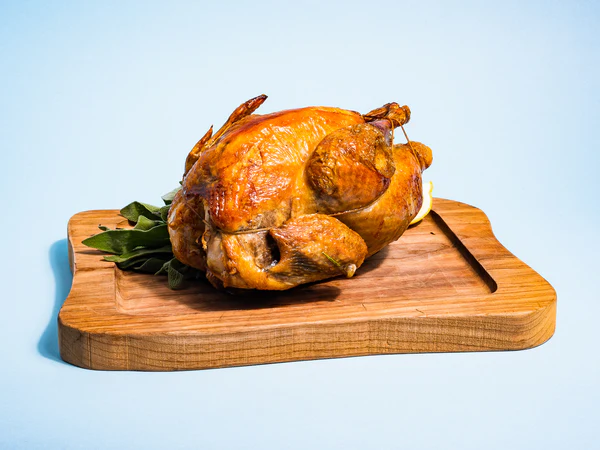
Imagine carving a holiday turkey or a Sunday roast without juices spilling onto your counter. A large butcher block, especially one with deep juice grooves and a pyramid design to stabilize the meat, transforms into an unrivaled carving station. The weight of the board prevents it from shifting, giving you confidence and control over even the most substantial cuts.
Baking and Pastry Perfection
The smooth, stable, and naturally non-stick surface of a large wooden butcher block is ideal for bakers. It provides a generous area for kneading dough, rolling out pie crusts, or shaping bread. The natural properties of the wood can also help keep dough cooler than a metal or stone surface, which is a significant advantage for delicate pastries.
An Elegant Serving Platter
Don’t relegate your beautiful large butcher block cutting board to just prep work. Its aesthetic appeal makes it a stunning foundation for entertaining. Load it up with an impressive charcuterie spread, a vibrant array of cheeses, crusty breads, and fresh fruits. It instantly elevates any gathering, turning food presentation into an art form. Its substantial size ensures there’s plenty for everyone, and it becomes a natural focal point for your guests.
A Kitchen Statement Piece
Beyond its functional uses, a large butcher block cutting board can be a significant design element. Whether it’s end-grain with its intricate patterns or edge-grain with its clean lines, it adds warmth, texture, and a touch of professional elegance to any kitchen. When not in use, it can simply rest on your counter, a testament to quality craftsmanship and a symbol of your culinary passion.
Frequently Asked Questions
Why are large butcher blocks generally better for my knives?
Large butcher block cutting boards, particularly those with end-grain construction, are renowned for being “knife-friendly.” The wood fibers are oriented vertically, allowing your knife edge to glide between them rather than cutting across them. This action causes less wear and tear on your blades, helping them stay sharper for longer compared to harder surfaces like plastic, glass, or stone.
How often should I oil my large butcher block cutting board?
As a general rule, you should oil your butcher block at least once a month. However, the frequency can vary depending on how often you use and wash it, and the humidity in your environment. If the wood starts to look dry, faded, or if water no longer beads on the surface, it’s a clear sign that it needs re-oiling.
Can I put my large butcher block in the dishwasher?
Absolutely not. Dishwashers expose wooden cutting boards to extreme heat, harsh detergents, and prolonged soaking, which will inevitably lead to warping, cracking, and irreversible damage. Always hand wash your butcher block with mild soap and warm water, then dry it immediately.
What’s the “best” wood for a large butcher block?
There isn’t a single “best” wood; it depends on your priorities. Maple is often favored by professionals for its hardness, durability, and affordability. Walnut offers beautiful dark aesthetics and is gentler on knives. Cherry provides a unique reddish hue that develops character over time. All are excellent choices when properly cared for.
How do I remove stubborn stains or odors from my butcher block?
For stains, try scrubbing the affected area with a paste of coarse salt and lemon juice, letting it sit for 10-15 minutes before rinsing and drying. For odors, a paste of baking soda and water or a wipe-down with diluted white vinegar can be effective. Always re-oil the board after such treatments.
Are large butcher blocks difficult to move or store?
Yes, due to their size and thickness, large butcher block cutting boards can be quite heavy. This weight is a benefit for stability during use but can make them challenging to move. Many designs incorporate recessed finger grips or handles to aid in transport. For storage, if you don’t have permanent counter space, consider storing it on its edge against a wall or in a large, sturdy cupboard.
The Heart of a Home Kitchen
A large butcher block cutting board is more than just a kitchen tool; it’s an heirloom, a practical work surface, and a beautiful addition that speaks to a love of cooking and quality. Investing in one means choosing a durable, knife-friendly, and incredibly versatile piece that will elevate your food preparation and presentation for years to come. From the daily chop to the grand holiday feast, your butcher block will be there, a steadfast foundation for all your culinary adventures. So, embrace the heft, appreciate the grain, and let a magnificent large butcher block become the true heart of your kitchen.