If you’re serious about cooking, especially when it comes to preparing substantial cuts of meat, you know a small, flimsy cutting board just won’t cut it. Handling a prime rib, a whole turkey, or a hefty brisket demands a dedicated surface that can stand up to the task. A Large Cutting Board For Meat isn’t just a luxury; it’s an essential tool that ensures safety, efficiency, and a cleaner kitchen. It’s about having the confidence to tackle any carving challenge, knowing your board has your back.
The Evolution of the Cutting Board: From Simple Slabs to Specialized Tools
For centuries, humans have needed a surface to prepare food. What started as basic, flattened stones or wood slabs has evolved into sophisticated kitchen tools. Early boards were purely functional, protecting surfaces from blades. Over time, as culinary techniques advanced and food safety became a greater concern, cutting boards transformed. Today, they are designed with specific tasks in mind, featuring specialized materials, sizes, and ingenious designs to handle everything from delicate herbs to a whole roasted suckling pig. The journey of the cutting board reflects our ongoing quest for a more efficient and hygienic kitchen.
Why Size Matters: What Makes a Cutting Board “Large” for Meat?
When we talk about a “large cutting board for meat,” we’re generally looking at dimensions that provide ample workspace for substantial cuts. While a standard board might be around 10 by 14 inches, a board considered large for meat typically starts at 18 by 14 inches, often extending to 20 by 15 inches, or even upwards of 24 by 18 inches, and some formidable butcher blocks can be much larger.
Why the generous size? Imagine carving a large Thanksgiving turkey or slicing a full brisket. A smaller board would quickly become overwhelmed, leading to meat juices spilling onto your countertop and ingredients tumbling off the sides. A spacious board, however, gives you plenty of room to maneuver your knife, collect precious juices, and arrange your carved portions without feeling cramped or messy. This prevents accidental slips and ensures a cleaner, more hygienic prep area. It’s about giving yourself the space to work confidently and efficiently.
Material Matters: Decoding the Best Options for Your Meat Cutting Board
The material of your large cutting board for meat is a critical decision, impacting durability, knife-friendliness, hygiene, and maintenance.
Wood: The Traditional Choice
Wood has long been a favored material for cutting boards, and for good reason. Hardwoods like maple, walnut, cherry, teak, and acacia are popular choices.
- Pros: Wood is gentle on knife blades, helping to keep them sharper for longer. Many woods, particularly hardwoods, possess natural antimicrobial properties, which can inhibit bacterial growth. They also offer a substantial, aesthetically pleasing surface that can double as a serving platter.
- Cons: Wooden boards require more maintenance than plastic. They aren’t typically dishwasher safe and need to be hand-washed, dried immediately, and regularly conditioned with food-grade mineral oil to prevent drying, cracking, and warping. They can also be quite heavy, especially the larger sizes.
End-Grain vs. Edge-Grain Wood:
This distinction is vital for wood boards.
- Edge-grain boards are made from strips of wood glued together with the long grain exposed. They are durable and often more affordable.
- End-grain boards are constructed from many small blocks of wood glued together with the end grain facing up. This allows knife blades to slide between the wood fibers rather than cutting across them, which makes them incredibly knife-friendly and “self-healing,” showing fewer cut marks over time. They are generally considered superior for heavy-duty chopping and are often found in butcher block styles.
“For those who frequently prepare large roasts or whole poultry, an end-grain board is an investment that truly pays off in knife longevity and board durability,” advises Chef Julian Thorne, a culinary instructor with decades of experience.
Plastic/Polyethylene: The Practical Performer
Plastic cutting boards, often made from high-density polyethylene, are a common sight in both home and professional kitchens.
- Pros: They are non-porous, making them highly resistant to absorbing liquids, odors, and stains. Many plastic boards are dishwasher safe, offering unparalleled ease of cleaning and sanitization, especially important when dealing with raw meat to prevent cross-contamination. They are also generally lighter and more budget-friendly than wood.
- Cons: Plastic can be harder on knife blades, potentially dulling them faster. They are also prone to deep grooves and scratches over time, which can harbor bacteria and become difficult to clean effectively, requiring eventual replacement.
Composite: The Hybrid Solution
Composite cutting boards are made from materials like wood fiber and resin. They aim to combine the best attributes of wood and plastic.
- Pros: Often very durable, heat-resistant, and many are dishwasher safe. They can be lighter than traditional wood and are non-porous, reducing the risk of bacterial absorption.
- Cons: While generally more knife-friendly than pure plastic, they can still be harder on blades than soft wood. They might not offer the same aesthetic appeal as a rich wooden board.
Essential Features for Your Large Meat Cutting Board
Beyond material, certain features elevate a good large cutting board for meat to a great one.
- Juice Grooves/Wells: This is non-negotiable for a meat cutting board. A perimeter groove or well catches any liquids released from the meat, preventing them from running onto your counter. Some boards feature deep wells or even sloped surfaces that guide juices into a collection trough or a removable pan, making cleanup a breeze.
- Non-Slip Stability: A large, heavy board already offers good stability, but additional features like rubber feet or a textured underside can further prevent it from sliding around on your countertop during vigorous carving. This is crucial for safety and control.
- Handles/Finger Grips: Given the substantial weight of many large wooden cutting boards, integrated handles or recessed finger grips make lifting, moving, and cleaning the board much easier.
- Reversible Design: Many high-quality boards are reversible, offering different surfaces for different tasks. One side might have juice grooves for meat, while the other is flat for vegetables, bread, or serving. This versatility is a major plus.
- Pyramid/Spike Design: Some specialized carving boards include a raised pyramid or spike pattern on one side. These are designed to grip large roasts or poultry, holding them steady while you carve, preventing the meat from shifting.
Choosing Your Champion: A Guide to Picking the Perfect Board
With so many options, how do you pick the right large cutting board for meat for your kitchen?
- Consider the Type of Meat You Cut Most Often: If you frequently butcher large primal cuts or carve whole roasts, a heavy, thick end-grain wooden butcher block with deep juice grooves might be ideal. For smaller roasts or everyday meat prep where dishwasher-safe convenience is key, a large plastic or composite board could be a better fit.
- Kitchen Space and Storage: Measure your counter space and storage areas. A truly massive board might not fit in your sink for washing or in a cabinet for storage.
- Budget: High-quality end-grain wooden boards are an investment, while plastic and some edge-grain wood boards are more budget-friendly.
- Maintenance Commitment: Be honest with yourself about how much effort you’re willing to put into maintenance. If regular oiling and hand-washing sound like a chore, a dishwasher-safe option might bring you more joy in the long run.
Keeping It Pristine: Care, Cleaning, and Hygiene Best Practices
Proper care is essential to extend the life of your large cutting board for meat and, more importantly, to ensure food safety.
- Wooden Boards: Always hand-wash wooden boards immediately after use with hot water and mild soap. Rinse thoroughly and dry completely upright to allow airflow on all sides. Never soak a wooden board or put it in the dishwasher, as this can cause warping, cracking, and splitting. Regularly (monthly or more, depending on use) condition your board with food-grade mineral oil to keep the wood hydrated and protected.
- Plastic Boards: Most plastic cutting boards are dishwasher safe, which offers excellent sanitization. For hand-washing, use hot, soapy water and a stiff brush, then rinse well. If you notice deep knife marks, it might be time to replace the board, as these grooves can harbor bacteria.
- General Tips for Food Safety and Cross-Contamination Prevention:
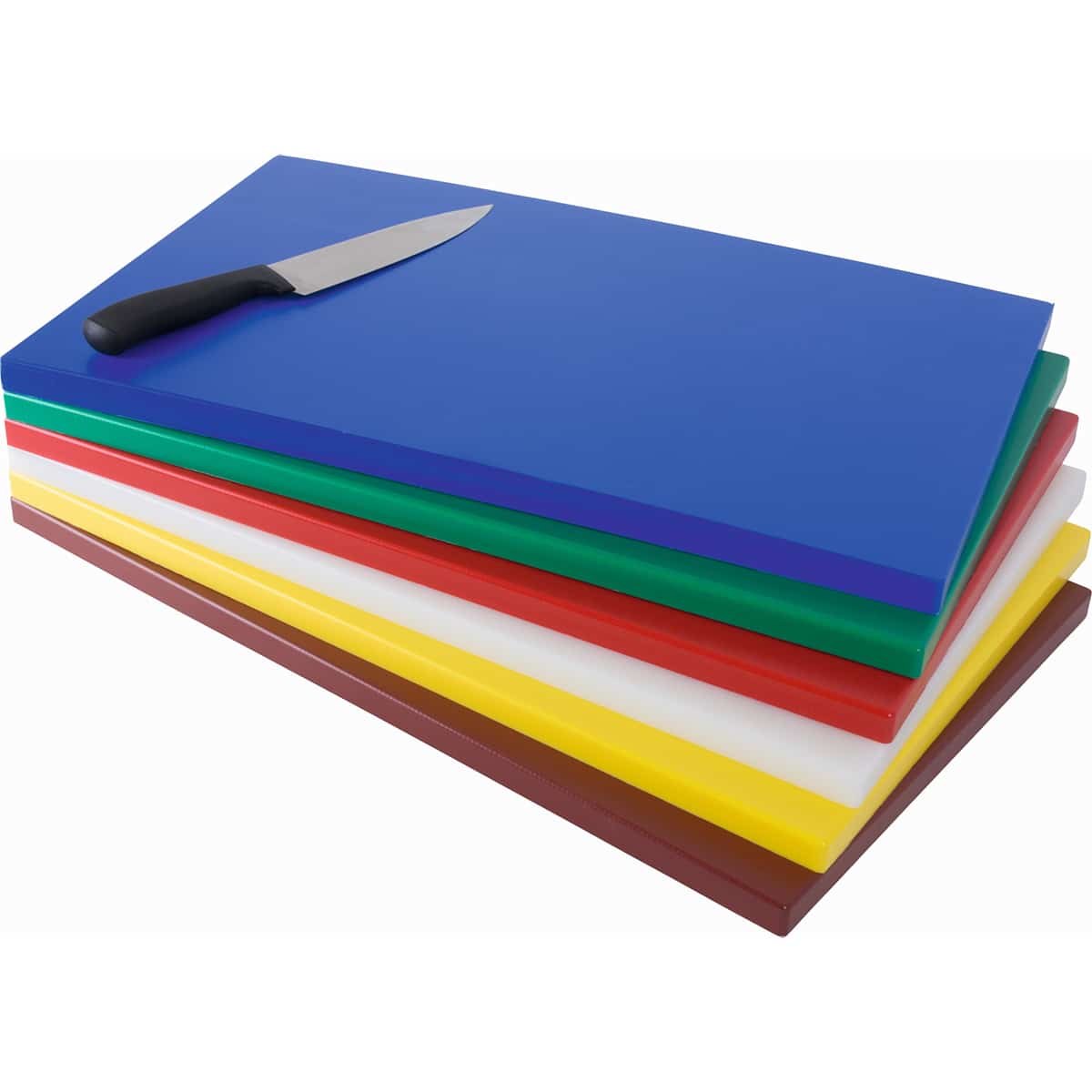
- Dedicated Boards: Ideally, use one large cutting board for raw meat and poultry, and a separate one for cooked foods, vegetables, fruits, and bread. Color-coding can help (e.g., red for raw meat, green for veggies).
- Immediate Cleaning: Clean your board thoroughly immediately after cutting raw meat.
- Sanitization: For both wood and plastic, a diluted bleach solution (1 teaspoon bleach per quart of water) can be used occasionally for extra sanitization, followed by a thorough rinse. For wood, re-oil after sanitizing.
Beyond the Kitchen: Other Uses and Considerations
A large cutting board for meat isn’t just for chopping and carving; it can be a versatile kitchen asset.
- Serving Platters: A beautifully grained wooden board, especially after being thoroughly cleaned and conditioned, makes a stunning serving surface for charcuterie, cheeses, appetizers, or even a whole roasted chicken presented at the table.
- Butcher Block as a Kitchen Feature: Extremely thick and heavy butcher blocks can become a permanent feature of your kitchen, serving as a dedicated prep station or even integrated into an island, adding both functionality and rustic charm.
Frequently Asked Questions (FAQ)
What size is considered a large cutting board for meat?
A large cutting board for meat typically ranges from 18×14 inches up to 24×18 inches or even larger, providing ample space for substantial cuts like roasts, briskets, or whole turkeys, and containing juices effectively.
Is wood or plastic better for cutting raw meat?
Plastic boards are often recommended for raw meat due to their ease of sanitization (many are dishwasher safe) and non-porous nature. However, many chefs prefer wood for its knife-friendliness and natural antimicrobial properties, provided it’s meticulously cleaned and maintained.
How do you prevent a large cutting board from slipping?
Look for boards with rubber feet or a textured bottom. For boards without these features, placing a damp cloth or paper towel underneath can create friction and prevent slipping.
How often should I oil my wooden cutting board?
The frequency depends on usage, but a good rule of thumb is to oil your wooden board monthly with food-grade mineral oil, or whenever the wood starts to look dry and dull.
Can I use the same cutting board for raw meat and vegetables?
To prevent cross-contamination, it’s best practice to use separate cutting boards for raw meat/poultry and for ready-to-eat foods like vegetables, fruits, or cooked meats. If only one board is available, thoroughly wash and sanitize it between uses.
What are juice grooves for?
Juice grooves are channels carved around the perimeter of a cutting board designed to catch and contain liquids, such as meat juices, preventing them from spilling onto your countertop during carving or slicing.
What is the difference between end-grain and edge-grain wood boards?
End-grain boards have the wood fibers oriented vertically, allowing knife blades to slide between them, which is gentler on knives and more resistant to showing cut marks. Edge-grain boards have the wood fibers oriented horizontally, making them durable but potentially harder on knives and more prone to visible scarring.
Conclusion
Choosing the right large cutting board for meat is a game-changer for any serious cook. It’s not just about having a surface to cut on; it’s about optimizing your workflow, enhancing food safety, and protecting your valuable knives. Whether you opt for the classic elegance and knife-preserving qualities of a well-maintained wooden board or the convenient, easy-to-sanitize nature of a high-quality plastic or composite option, an adequately sized and featured board will make your meat preparation tasks more enjoyable and efficient. So go ahead, find your perfect large cutting board for meat, and savor the experience of mastering every cut.