Stepping into a well-equipped kitchen, you’ll often notice a particular item that hints at a chef’s dedication to their craft: a sturdy, beautiful Maple End Grain Cutting Board. More than just a surface for slicing and dicing, this kitchen essential is an investment that transforms your cooking experience, protecting your precious knives and adding a touch of timeless elegance. If you’re looking to elevate your culinary game and ensure your tools last a lifetime, understanding the unique benefits and proper care of a maple end grain cutting board is the first step.
A Brief History and Evolution of Cutting Surfaces
Our relationship with cutting surfaces is as old as cooking itself. Imagine our prehistoric ancestors, needing a stable platform to prepare their catches and foraged goods. Their earliest “cutting boards” were likely simple flat stones or sturdy pieces of wood, rudimentary but effective. As civilizations advanced, so did these tools. Ancient Egyptians, Greeks, and Romans utilized various wooden slabs and even alabaster for food preparation.
The Middle Ages saw wooden cutting boards become more prevalent, crafted from durable hardwoods like oak and, yes, maple. Fast forward to the 19th century and the Industrial Revolution, and we witnessed the birth of the robust “butcher block”—large, thick blocks of end grain wood specifically designed to withstand the heaviest cleaving and chopping. The mid-20th century introduced plastic alternatives, lauded for their lightness and ease of cleaning. However, for serious home cooks and professional chefs, the allure and superior performance of wooden, especially end grain, cutting boards have endured, proving that sometimes, the old ways are still the best ways.
Understanding Maple End Grain: The Science Behind the Superiority
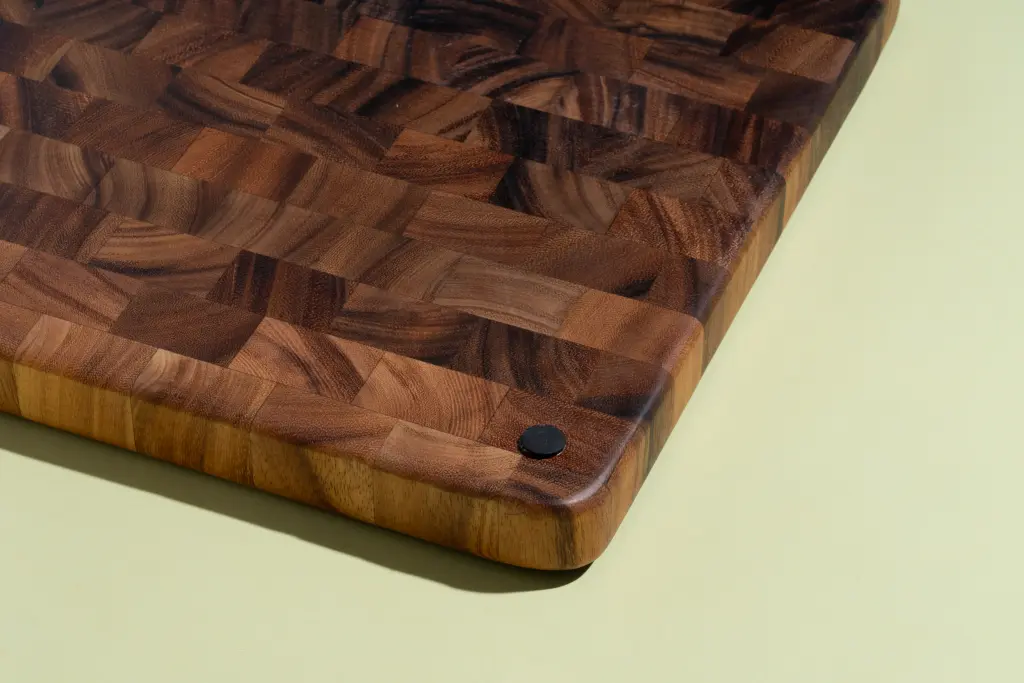
What makes a maple end grain cutting board so special? It’s all in the construction. When you look closely at an end grain board, you’ll notice a distinctive checkerboard or brick pattern. This isn’t just for aesthetics; it reveals how the wood is cut and assembled.
What is End Grain Construction?
Unlike common edge grain boards where wood fibers run horizontally, end grain boards are made by cutting short blocks of wood and arranging them vertically, so the “ends” of the wood fibers face upwards. Think of a bundle of tightly packed straws standing upright. When your knife strikes an end grain board, the blade slides between these vertical fibers, rather than cutting across them.
Why Maple?
Maple is a standout choice for end grain cutting boards due to its inherent qualities. It boasts a dense, tight grain and a light, appealing color that can brighten any kitchen. Its inherent hardness makes it highly resistant to cuts and helps it endure years of daily chopping. “Maple strikes a perfect balance,” says culinary wood expert Oliver Thorne. “It’s hard enough to take a beating but gentle enough to be incredibly kind to your knife blades.”
The Magic of Self-Healing Properties
One of the most remarkable benefits of a maple end grain cutting board is its “self-healing” nature. Because knife blades glide between the wood fibers, these fibers separate slightly upon impact and then naturally close back up as the knife is lifted. This unique action significantly reduces visible knife marks and helps the board maintain its pristine appearance over time, even after extensive use. This feature means your board looks newer for longer and reduces deep gouges that can harbor bacteria.
Unparalleled Knife-Friendliness
For anyone who values their kitchen knives, a maple end grain board is a game-changer. The way the fibers interact with the blade means less resistance, which in turn means less wear and tear on your knife’s edge. This gentle interaction keeps your knives sharper for longer, reducing the frequency of sharpening and extending their overall lifespan. This is a stark contrast to harder surfaces like glass or even some plastics, which can rapidly dull and damage delicate knife edges.
Durability and Longevity
Due to its robust construction and the inherent strength of maple, an end grain cutting board is exceptionally durable. It’s designed to withstand the rigors of heavy chopping, slicing, and dicing without easily showing deep marks or damage. This durability ensures that your board remains a reliable and sturdy surface for many years, making it a true investment in your kitchen.
Natural Hygiene: A Hidden Benefit
You might wonder about the hygiene of a wooden cutting board, especially compared to plastic. Interestingly, wood, particularly dense hardwoods like maple, possesses natural antibacterial properties. The wood’s porous structure draws moisture and bacteria into the board’s interior, where the bacteria die due to a lack of moisture over a few days. This means that, with proper cleaning, a well-maintained maple end grain cutting board can be a very safe and hygienic surface for food preparation.
Maple End Grain vs. Other Cutting Board Materials
When choosing a cutting board, the options can seem endless. Let’s compare the maple end grain board to some popular alternatives to highlight its advantages.
End Grain vs. Edge Grain Cutting Boards
The primary difference lies in how the wood is oriented.
- End Grain: As discussed, fibers face upwards, leading to a self-healing surface that is incredibly gentle on knives and highly durable. They often feature a distinct checkerboard pattern and are typically more expensive due to the labor-intensive construction process.
- Edge Grain: Made by gluing long strips of wood together so the fibers run horizontally, parallel to the cutting surface. These boards are more common and generally more affordable. While durable, knife marks are more visible, and they can be harsher on knife edges, leading to faster dulling. Edge grain boards can be a good choice for less demanding tasks or when budget is a primary concern.
Wood vs. Plastic, Glass, and Bamboo
Each material has its place, but wood often stands out for performance and longevity.
- Plastic: Lightweight, inexpensive, and often dishwasher safe. However, plastic can dull knives more quickly than wood, and deep gouges in plastic can harbor bacteria if not cleaned meticulously. Many chefs prefer plastic for cutting raw meats due to the ease of sanitization in dishwashers, but wood holds its own when properly maintained. [cite: 1, 4 from second search]
- Glass: While attractive and very easy to clean, glass boards are notorious for rapidly dulling knives and can even be dangerous due to knife slippage. They are best reserved for serving, not serious chopping.
- Bamboo: Often marketed as eco-friendly, bamboo is harder than maple and can be very tough on knives. Its dense, fibrous nature means it doesn’t offer the same “give” as end grain hardwoods, and the glues used can sometimes be a concern.
Choosing Your Perfect Maple End Grain Cutting Board
Ready to make the leap? Here’s what to consider when selecting your ideal maple end grain cutting board:
Size and Thickness
What are the best dimensions for a cutting board?
Your choice should align with your kitchen space and cooking habits. Thicker boards (1.5 to 2 inches or more) are generally more durable and less prone to warping. A larger board offers more surface area for prep, which can be invaluable for serious cooks, but ensure it fits your countertop and sink for cleaning. [cite: 3 from initial search]
Feet or Handles?
Some boards come with rubber feet, which prevent slipping and allow air circulation underneath, reducing the risk of warping. Others feature convenient handles or juice grooves, which are excellent for catching liquids from meats or juicy fruits. Consider what features will enhance your workflow. [cite: 5 from initial search]
Sustainability
Is a wooden board an eco-conscious choice?
Absolutely! Look for boards made from sustainably sourced maple wood. This commitment not only supports responsible forestry but also ensures you’re investing in a product that aligns with environmental values. The inherent durability of a well-made maple end grain board also means you won’t need to replace it often, further reducing waste.
Caring for Your Maple End Grain Cutting Board: Best Practices for Longevity
A high-quality maple end grain cutting board can last a lifetime, but like any cherished tool, it thrives on proper care.
Daily Cleaning
How should I clean my cutting board?
After each use, simply wash your board with warm water and a mild dish soap. Use a sponge or scrub brush to remove any food residue. The most crucial step is to immediately dry the board thoroughly with a clean towel. Never leave it to air dry completely or soak in water, as prolonged moisture is the enemy of wood and can lead to warping or cracking. [cite: 3 from initial search]
Oiling and Conditioning
How often should I oil my maple end grain board?
Maple end grain boards are “thirstier” than other wood boards, so regular oiling is essential to keep the wood nourished and prevent it from drying out, cracking, or warping. Apply a food-safe mineral oil generously once a month, or even more frequently if your board sees heavy use or your climate is very dry. Let it soak in for several hours, or even overnight, then wipe off any excess. Some prefer a beeswax or mineral oil/beeswax blend for an added protective barrier.
Avoiding Damage: A Few Don’ts
- Dishwashers are forbidden: The intense heat and prolonged water exposure in a dishwasher will quickly destroy your wooden board.
- No soaking: Never submerge your cutting board in water.
- Harsh chemicals: Avoid strong cleaning agents or abrasive scrubbers that can strip the wood of its natural oils or damage the surface.
Food Safety and Preventing Cross-Contamination
Is a wood cutting board sanitary for all foods?
Yes, with proper care, wooden cutting boards are very hygienic. As previously mentioned, studies show that wood can actually be more resistant to bacteria than plastic due to its natural properties. However, for best practices in food safety, especially when dealing with raw meats, poultry, or fish, it’s always wise to have a dedicated board for these items, or at the very least, ensure your board is thoroughly cleaned and sanitized after each use with raw proteins. The key is prompt and thorough cleaning to prevent cross-contamination.
Beyond the Kitchen: Other Uses and Considerations
While its primary role is food preparation, a stunning maple end grain cutting board offers versatility beyond mere chopping. Its natural beauty and substantial presence make it an exquisite serving platter for charcuterie, cheeses, or freshly baked bread. Imagine it as a centerpiece on your dining table, showcasing a vibrant array of appetizers. It’s a functional art piece that enhances both your cooking and entertaining.
Frequently Asked Questions
How often should I oil my maple end grain cutting board?
Ideally, you should oil your board once a month, or whenever the wood starts to look dry and faded. If you live in a very dry climate or use your board heavily, you might consider oiling it every two to three weeks.
Can I use olive oil or vegetable oil to condition my cutting board?
No, it’s best to stick to food-safe mineral oil or a butcher block conditioner. Olive oil and vegetable oils can turn rancid over time, leaving an unpleasant odor and taste, and potentially sticky residue on your board.
How do I remove stubborn stains from my cutting board?
For light stains, a paste of baking soda and a little water can often do the trick. For tougher stains, you might gently scrub with coarse salt and half a lemon, then rinse quickly and re-oil. Always follow with proper re-oiling to recondition the wood.
Are maple end grain cutting boards dishwasher safe?
Absolutely not! Never put a wooden cutting board in the dishwasher. The high heat and prolonged water exposure will cause it to warp, crack, and potentially harbor bacteria. Always hand wash and dry immediately.
Why is maple considered such a great wood for cutting boards?
Maple is prized for its dense, tight grain, which makes it resistant to deep knife marks and bacteria penetration. It’s also gentle on knife blades, helping them stay sharper longer, and its light color and smooth texture make for an attractive and functional kitchen tool.
A Lasting Legacy for Your Kitchen
A maple end grain cutting board isn’t just another kitchen gadget; it’s a foundational piece, a silent workhorse that supports countless culinary adventures. From its rich history rooted in practicality to its modern-day role as a beacon of craftsmanship and functionality, it truly stands apart. By choosing a maple end grain cutting board, you’re not only investing in superior knife protection and unparalleled durability but also in a beautiful, hygienic, and long-lasting tool that will be a joy to use for years to come. Give it the care it deserves, and it will serve you faithfully, becoming a cherished part of your kitchen’s story.