Stepping into the kitchen, a seasoned cook knows that a reliable cutting board is more than just a surface; it’s the unsung hero of meal preparation. But when it comes to handling raw proteins, a generic board just won’t cut it. A dedicated Meat Cutting Board is a true kitchen MVP, crucial for food safety, preserving your knives, and making your cooking experience smoother. Let’s carve out the details and get you up to speed on everything you need to know about these indispensable kitchen tools.
A Slice Through Time: The Evolution of Cutting Boards
Cutting boards have been a part of human culinary history for centuries, evolving from simple flattened stones or chunks of wood to the specialized tools we use today. Early boards were functional, offering a stable surface for chopping and preparing food. Over time, as our understanding of hygiene and food science grew, so did the design and material choices for these essential kitchen items. Today, we understand that different foods demand different approaches, and nowhere is this more critical than with meat.
Choosing Your Battlefield: Decoding Meat Cutting Board Materials
Selecting the right meat cutting board material can feel like a culinary quest, but understanding the pros and cons of each will guide you to your perfect match. Each material brings its unique qualities to the table, impacting everything from knife longevity to hygiene.
Wood: The Timeless Classic
When you think of a traditional cutting board, wood often comes to mind, and for good reason. Hardwoods like maple, walnut, cherry, acacia, and even teak are popular choices for meat cutting boards.
- Pros: Wood is remarkably gentle on your knife blades, helping them stay sharper for longer periods. Many hardwoods also possess natural antimicrobial properties, which can inhibit bacterial growth to some extent. Plus, let’s be honest, a beautiful wooden board can elevate your kitchen aesthetic and make for a stunning presentation when serving a roasted turkey or prime rib.
- Cons: The porous nature of wood can be a double-edged sword. While some wood types resist moisture well, deep cuts and scratches can potentially trap meat juices and bacteria, making thorough sanitization challenging if not done rigorously. Wooden boards also require more maintenance, including regular oiling with food-grade mineral oil to prevent drying, cracking, and warping. They are generally not dishwasher safe.
Plastic: The Practical Performer
High-density polyethylene (HDPE) plastic cutting boards are a common sight in both home and professional kitchens, especially for raw meat preparation.
- Pros: Plastic boards are lauded for being dishwasher safe, making sanitization straightforward and efficient. Their non-porous surface is initially easy to clean and resists moisture absorption. They are durable and often more affordable, allowing you to easily purchase separate boards for different food types, a key step in preventing cross-contamination.
- Cons: While initially non-porous, plastic boards can develop deep grooves and knife scars over time. These crevices can become breeding grounds for bacteria, making them difficult to clean effectively. They can also be harder on your knife edges compared to wood, potentially dulling them faster. It’s crucial to replace plastic boards when they become excessively worn.
Composite: The Modern Hybrid
Composite cutting boards, made from heavy-duty resin materials, aim to offer the best of both worlds.
- Pros: These boards are often dishwasher safe, highly durable, and don’t require the same conditioning as wooden boards. They provide a sturdy surface for cutting meat and resist warping.
- Cons: Similar to plastic, composite boards can be a bit harder on your knives than a softer wooden surface.
Materials to Avoid for Meat: Glass, Stone, and Marble
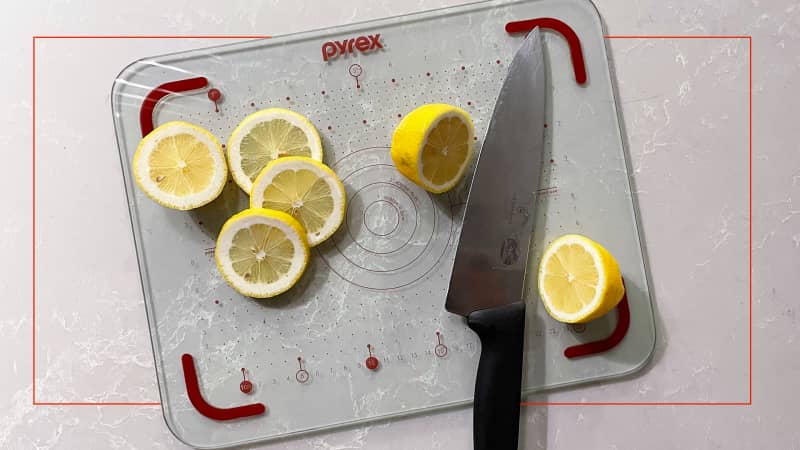
While aesthetically pleasing, cutting boards made from glass, stone, or marble are generally a no-go for meat. These extremely hard surfaces will quickly dull and damage your expensive knife blades. They also offer very little grip, making them potentially dangerous when handling slippery raw meat.
Beyond the Surface: Features of a Great Meat Cutting Board
A dedicated meat cutting board isn’t just about the material; specific features can significantly enhance safety and efficiency in your kitchen.
Juice Grooves: Catching the Culinary Flow
If you’ve ever carved a juicy roast or trimmed a piece of raw chicken, you know the mess that meat juices can create. This is where juice grooves, also known as juice wells, become your best friend. These channels around the perimeter of the board are designed to catch and contain any liquids, preventing them from spilling onto your countertop and reducing the risk of cross-contamination. A wide and deep juice well is a sign of a well-designed meat cutting board.
Size and Stability: A Secure Workspace
A good meat cutting board should be adequately sized for the cuts of meat you typically prepare. A large, sturdy board provides ample space for carving and ensures you have room to maneuver without food spilling over the edges. Weight can also play a role, as a heavier board tends to stay put better during intense chopping or carving, preventing dangerous slips. Non-slip feet or borders are also excellent features for added stability.
Reversible Designs: Smart & Versatile
Some cutting boards offer a reversible design, with one side featuring a juice groove for meat and the other a flat surface for vegetables or bread. This can be a practical feature, but always remember to thoroughly clean and sanitize both sides between uses, and ideally, maintain strict separation of duties to prevent cross-contamination.
The Ultimate Defense: Food Safety and Cross-Contamination
When working with raw meat, food safety isn’t just a recommendation; it’s a golden rule. Preventing cross-contamination is paramount to protecting yourself and your loved ones from foodborne illnesses.
Why Separate Boards are Non-Negotiable
This is perhaps the most critical takeaway: always use separate cutting boards for raw meat, poultry, and seafood, and for ready-to-eat foods like vegetables, fruits, and cooked items. Pathogens like Salmonella and E. coli are commonly found on raw meats and can easily transfer to foods that won’t be cooked further, leading to serious health risks. Many experts recommend color-coded boards (e.g., red for raw meat, green for produce) as a simple visual cue to maintain this vital separation.
The Danger Zones: Scratches and Grooves
Even with the best intentions, all cutting boards eventually show signs of wear and tear. Deep knife marks, cracks, and crevices in any cutting board material can become hiding spots for harmful bacteria, making them incredibly difficult to clean thoroughly.
As Chef Leo Dubois, a renowned food safety advocate, wisely states, “A cutting board scarred by countless culinary battles might tell a great story, but those deep grooves are silent invitations for bacteria to set up shop. When in doubt, replace it.”
Cleanliness is Key: Washing, Sanitizing, and Maintaining Your Meat Cutting Board
No matter what type of meat cutting board you choose, proper cleaning and sanitization are non-negotiable after every use.
Daily Ritual: Hot Water and Soap
After each use, especially with raw meat, immediately clean your cutting board with hot, soapy water. Scrub away all food particles, rinse thoroughly with clean water, and then air dry or pat dry with a clean paper towel.
The Sanitization Squad: Bleach, Vinegar, and Hydrogen Peroxide
Beyond daily washing, periodic sanitization is crucial to kill any lingering pathogens.
- Bleach Solution: A common and effective method is to use a diluted bleach solution. Mix one tablespoon of unscented liquid chlorine bleach per gallon of water. Flood the entire surface of the cutting board with this solution and let it stand for several minutes (typically 10 seconds to several minutes, depending on the source). Rinse with clear water afterward and allow it to air dry.
- Vinegar: White vinegar, specifically its acetic acid, can kill bacteria like E. coli and Salmonella. You can wipe your board with full-strength white vinegar or a 1:5 dilution after each use. Keep a spray bottle of undiluted vinegar handy for this purpose.
- Hydrogen Peroxide: For plastic boards, hydrogen peroxide can also be used as a disinfectant. Pour 3% hydrogen peroxide over the board, spread with a paper towel, let it sit for about five minutes (until fizzing stops), then rinse and dry.
- Dishwasher Power: Plastic, non-porous acrylic, and solid wood (non-laminated) cutting boards can often be sanitized effectively in a dishwasher due to the high heat cycles.
Wood Care 101: Oiling for Longevity
For wooden meat cutting boards, regular oiling is essential to keep them in top condition, prevent drying out, and resist cracking. Use a food-grade mineral oil, applying it generously and allowing it to soak in before wiping off any excess. Avoid using vegetable or cooking oils, as they can go rancid and spoil your board.
When to Say Goodbye: Knowing When to Replace Your Board
No cutting board lasts forever. Whether wood or plastic, boards wear out over time. If your meat cutting board has become excessively worn, developed deep, hard-to-clean grooves, or shows signs of cracking or splitting, it’s time to discard it. These imperfections can harbor harmful bacteria that even the most rigorous cleaning might miss, making replacement a crucial food safety measure.
FAQs about Meat Cutting Boards
What is the best type of meat cutting board?
The “best” type depends on your priorities. For ultimate knife-friendliness and aesthetic appeal, hardwoods like maple or walnut are excellent. For maximum ease of sanitization and dishwasher compatibility, high-density plastic or composite boards are often preferred, especially by food safety experts. Many chefs recommend having both.
Can I use a wooden cutting board for raw meat?
Yes, you can use a wooden cutting board for raw meat, especially hardwoods, which have some natural antimicrobial properties. However, it requires meticulous cleaning and sanitization immediately after use, and regular maintenance with food-grade mineral oil. Food safety experts often advise extra caution with wood for raw meat due to its porous nature.
How often should I sanitize my meat cutting board?
You should clean your meat cutting board with hot, soapy water after every single use. For sanitization, after preparing raw meat, poultry, or seafood, use a bleach solution or run dishwasher-safe boards through a hot cycle. Daily sanitization, especially for boards used frequently with raw proteins, is a good practice.
What are juice grooves for?
Juice grooves are channels carved around the edge of a cutting board designed to collect and contain liquids, such as blood or meat juices, that seep out during carving or slicing. This prevents them from spilling onto your countertop, maintaining a cleaner workspace and reducing the risk of cross-contamination.
When should I replace my cutting board?
You should replace any cutting board, whether wood or plastic, when it develops deep grooves, cracks, crevices, or becomes excessively scarred and difficult to clean. These imperfections can harbor bacteria and compromise food safety.
Conclusion
Choosing and caring for your meat cutting board is a vital part of being a responsible and skilled home cook. By understanding the different materials, appreciating essential features like juice grooves, and diligently practicing food safety protocols, you not only protect your family’s health but also extend the life of your valuable kitchen knives. So, go ahead, invest in the right meat cutting board, keep it clean, and slice with confidence, knowing you’ve mastered this fundamental aspect of kitchen prep!