In the heart of every kitchen lies a crucial tool: the cutting board. It’s where your ingredients begin their journey, from raw to delicious. But have you ever considered if your trusty board might be introducing something unwanted into your meals? The quest for a truly non-toxic cutting board isn’t just about eco-friendliness; it’s about safeguarding your health and ensuring every dish you prepare is as pure as possible. Choosing the right cutting board is a simple yet powerful step towards a healthier, happier kitchen.
The Hidden Dangers in Your Kitchen: Why “Non-Toxic” Matters
It might sound dramatic, but many common cutting boards can harbor hidden risks that subtly undermine your health. Understanding these dangers is the first step toward making informed choices for your home.
The Plastic Predicament: Microplastics and Chemicals
Plastic cutting boards, while convenient and often inexpensive, come with a significant downside. Every slice, chop, and dice on a plastic surface inevitably shaves off tiny fragments – microplastics – that can end up in your food. Research suggests that an average plastic cutting board could shed tens of millions of microplastic particles annually. These microscopic invaders are a growing concern, linked to potential health issues such as inflammation, hormone disruption, and even certain cancers.
Beyond microplastics, many plastic boards contain harmful chemicals like Bisphenol A (BPA) and phthalates, which can leach into your food, especially when exposed to heat or acidic ingredients. Furthermore, plastic boards are notorious for developing deep knife grooves over time, creating ideal breeding grounds for bacteria that are nearly impossible to clean completely, regardless of how diligently you scrub.
Beyond Plastic: Other Concerns
While plastic often takes the spotlight for toxicity, other materials aren’t entirely off the hook. Some bamboo cutting boards, for instance, are bound together with formaldehyde-based glues, which can off-gas harmful fumes. Even boards labeled “antibacterial” might contain chemical additives like triclosan, which can disrupt your endocrine system and contribute to antibiotic resistance. The goal is to choose materials that are inherently safe, without relying on questionable chemical treatments or manufacturing processes.
A Cut Above: Understanding Non-Toxic Cutting Board Materials
Navigating the world of cutting board materials can feel overwhelming, but focusing on naturally safe options simplifies the process. Let’s explore the best non-toxic cutting board materials available.
Solid Hardwood: The Timeless Choice
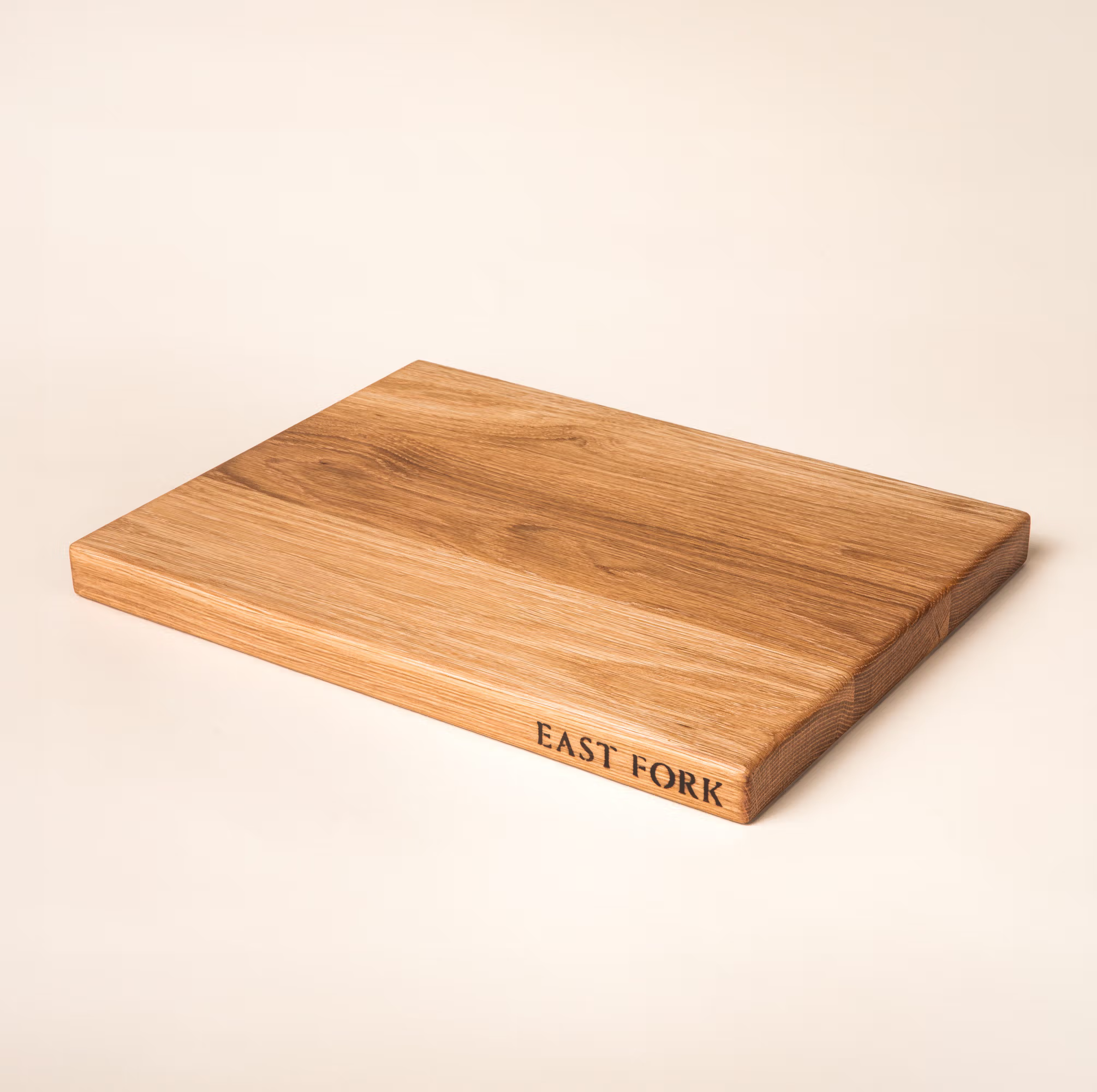
For centuries, solid hardwood has been the gold standard in kitchens, and for good reason. Hardwood cutting boards, made from woods like maple, walnut, cherry, teak, olivewood, and Hinoki cypress, are naturally antimicrobial. Their dense, tight grain resists deep cuts, and any bacteria that do penetrate tend to die off quickly within the wood fibers. They are also wonderfully gentle on your knives, helping to keep blades sharper for longer.
When choosing a hardwood board, look for options made from a single piece of wood or those joined with food-safe, non-toxic glues. The best finishes are natural and food-grade, such as mineral oil, beeswax, or linseed oil. These not only protect the wood but also prevent chemicals from leaching into your food. As Chef Anya Sharma, a culinary instructor and long-time advocate for natural kitchenware, puts it, “A well-maintained hardwood board is an investment that pays dividends in both food safety and knife longevity. It’s a kitchen workhorse that tells a story.”
Bamboo: Sustainable, but Choose Wisely
Bamboo cutting boards are often praised for their sustainability and natural antimicrobial properties. They are lightweight, renewable, and can be a more affordable alternative to solid hardwood. However, a crucial caveat with bamboo is the adhesive used in its construction. Many bamboo boards are made from strips of bamboo glued together, and these glues can contain formaldehyde, a known carcinogen. To ensure your bamboo board is genuinely non-toxic, look for certifications or explicit statements from the manufacturer that guarantee the absence of formaldehyde or other harmful glues. When sourced correctly, bamboo can be a safe and eco-friendly choice.
Stainless Steel & Titanium: The Hygienic Powerhouses
If ultimate hygiene is your top priority, stainless steel and titanium cutting boards are excellent contenders. These materials are 100% non-toxic, non-porous, and incredibly durable. They won’t harbor bacteria, absorb odors, or stain, making them ideal for handling raw meats and poultry. Cleaning is a breeze, as they are often dishwasher-safe and can be thoroughly sanitized. The primary drawback, however, is their hardness. Both stainless steel and titanium can be tough on knife edges, leading to faster dulling. They can also be noisy and sometimes slippery during use, requiring a steady hand.
Natural Rubber: Gentle and Resilient
Natural rubber cutting boards are gaining popularity for their unique blend of safety and functionality. Made from 100% high-density, food-grade natural rubber, these boards are exceptionally kind to your knives, minimizing dulling. They are also non-porous, resisting bacteria, liquids, and odors, similar to metal. When selecting a rubber board, ensure it’s made without fillers, BPA, phthalates, or any strong chemical odors, indicating a truly non-toxic cutting board. While they typically require hand-washing, their resilience and knife-friendliness make them a fantastic option.
Tempered Glass & Stone: Non-Porous, But Mind Your Knives
Tempered glass and natural stone (like granite or marble) cutting boards offer a completely non-porous surface that is undeniably hygienic and easy to clean. They won’t absorb any food juices or odors, and glass boards are often dishwasher-safe. However, their extreme hardness is their biggest disadvantage: they will rapidly dull your knives. Glass boards can also be loud and prone to slipping, while stone boards are heavy and can be inconvenient for everyday use. If you opt for a stone board, ensure it’s naturally polished rather than chemically sealed to avoid potential toxins.
Food-Grade Silicone: Flexible and Safe
For a more flexible and lightweight non-toxic cutting board option, high-quality food-grade silicone is a commendable choice. Silicone is non-porous, preventing bacterial growth and resisting odors. It’s durable, generally gentle on knives, and often dishwasher-safe. These boards are particularly useful for quick tasks or for transferring chopped ingredients, as their flexibility allows you to easily funnel food into pots and pans. Always ensure the product is clearly labeled as 100% food-grade silicone to guarantee its safety.
Choosing Your Perfect Non-Toxic Cutting Board
Selecting the ideal cutting board isn’t a one-size-fits-all decision. It depends on your cooking habits, kitchen setup, and priorities.
- Consider Your Cooking Style: If you’re a heavy chopper, prioritizing knife-friendly materials like hardwood or natural rubber is wise. For raw meat preparation, non-porous options like stainless steel are excellent for hygiene.
- Knife Compatibility: Your knives are an investment. Harder boards like glass and stone will shorten their lifespan. Opt for softer materials like wood, rubber, or quality silicone to keep your blades sharp.
- Maintenance Commitment: Some materials, like wood, require regular oiling. Others, like stainless steel, are virtually maintenance-free beyond washing. Be honest about how much care you’re willing to give.
- Size and Space: Ensure your chosen board fits your counter space and storage capabilities. A heavy, bulky board might deter you from using it regularly.
- Certifications and Labels: Look for certifications like Forest Stewardship Council (FSC) for wood and bamboo, which ensures responsible sourcing. Explicit “food-safe” labels, especially for glues and finishes, are also crucial indicators of a truly non-toxic cutting board.
Care and Keeping: Maximizing Your Non-Toxic Board’s Lifespan
Even the most non-toxic cutting board benefits from proper care. This not only extends its life but also ensures continued food safety.
Cleaning Best Practices
For hardwood and bamboo boards, hand-washing with hot, soapy water is essential. Avoid dishwashers, as the intense heat and harsh detergents can strip natural oils, leading to warping, cracking, and a reduced lifespan. A simple solution of one part white vinegar to four parts water can also be a gentle yet effective disinfectant. Always rinse thoroughly and dry immediately, standing the board on its edge to allow air circulation on all sides. Materials like stainless steel, tempered glass, and food-grade silicone are generally dishwasher-safe, offering effortless sanitation.
Oiling and Conditioning
Wooden and bamboo cutting boards need regular conditioning to prevent drying, cracking, and to maintain their natural antimicrobial properties. Apply a food-grade mineral oil, beeswax, or other food-safe wood conditioner every few weeks, or more frequently if the board looks dry. This process rejuvenates the wood, creating a barrier against moisture and bacteria.
Food Safety and Cross-Contamination
Regardless of material, practicing good food safety is paramount. Dedicate separate cutting boards for raw meats, poultry, and seafood to prevent cross-contamination with vegetables and other ready-to-eat foods. This simple habit is one of the most effective ways to maintain a healthy kitchen.
When to Replace Your Board
Even a durable non-toxic cutting board has a lifespan. Replace any board, regardless of material, that develops deep gouges, cracks, or becomes excessively worn. These imperfections can harbor bacteria and become difficult to clean effectively, compromising food safety.
Beyond the Board: A Holistic Approach to a Healthier Kitchen
Choosing a non-toxic cutting board is a significant step, but it’s part of a larger philosophy for a healthier kitchen. Every small decision, from the cookware you use to the cleaning products you choose, contributes to your overall well-being. By opting for natural, safe materials, you’re not just making a purchase; you’re investing in a lifestyle that prioritizes health, sustainability, and peace of mind.
FAQ
Q: Is bamboo really non-toxic?
A: Bamboo itself is naturally antimicrobial and safe. However, many bamboo boards are made with glues that can contain formaldehyde. Always look for bamboo boards explicitly stating they use formaldehyde-free or food-safe adhesives, or are made from a single piece of bamboo.
Q: Can I put my non-toxic cutting board in the dishwasher?
A: It depends on the material. Stainless steel, tempered glass, and food-grade silicone are typically dishwasher-safe. Solid wood and bamboo boards, however, should always be hand-washed to prevent warping, cracking, and damage to their natural properties.
Q: How often should I oil my wooden cutting board?
A: The frequency depends on use, but a good rule of thumb is every 2-4 weeks, or whenever the wood starts to look dry and faded. Regular oiling keeps the wood conditioned, prevents cracking, and enhances its longevity.
Q: Are antibacterial cutting boards safe?
A: Be cautious with “antibacterial” labels. Many such boards contain chemical antimicrobial agents like triclosan, which can have adverse health effects and contribute to the development of “superbugs.” It’s generally safer to rely on naturally antimicrobial materials like hardwood and proper cleaning techniques.
Q: What’s the best non-toxic cutting board for raw meat?
A: For raw meat, non-porous materials like stainless steel or high-density natural rubber are excellent choices due to their ease of sanitization and resistance to bacteria and odors. Many also prefer using a dedicated solid hardwood board, ensuring diligent cleaning immediately after use.
Q: How can I tell if a wooden cutting board uses toxic glue?
A: The best way is to check the product description for mentions of “food-safe” glues or “formaldehyde-free.” Boards made from a single, solid slab of wood naturally avoid this issue. If in doubt and no information is provided, it’s safer to choose another option.
Conclusion
The journey to a truly non-toxic cutting board is a journey toward more mindful, healthier living. By choosing materials like solid hardwood, carefully sourced bamboo, stainless steel, natural rubber, or food-grade silicone, you’re actively reducing your exposure to microplastics and harmful chemicals. You’re also investing in tools that perform better, last longer, and protect your prized kitchen knives. Make the informed choice, equip your kitchen with integrity, and enjoy the peace of mind that comes with knowing you’re slicing safely, every single day.