Step into any bustling kitchen, and you’ll quickly spot the unsung hero of meal prep: the cutting board. While wood and plastic have long reigned supreme, a new contender has carved out a significant niche, offering a compelling blend of sustainability, hygiene, and performance: the Paper Cutting Board. Far from flimsy, these innovative kitchen essentials are redefining what we expect from our chopping surfaces, proving themselves as incredibly durable, kind to your knives, and remarkably easy to care for.
If you’ve ever found yourself pondering which cutting board truly earns its spot on your counter, or if you’re curious about a material that promises the best of both worlds – the natural feel of wood with the easy maintenance of plastic – then you’re in the right place. Let’s dive deep into the world of paper cutting boards and discover why they might just be your kitchen’s next best friend.
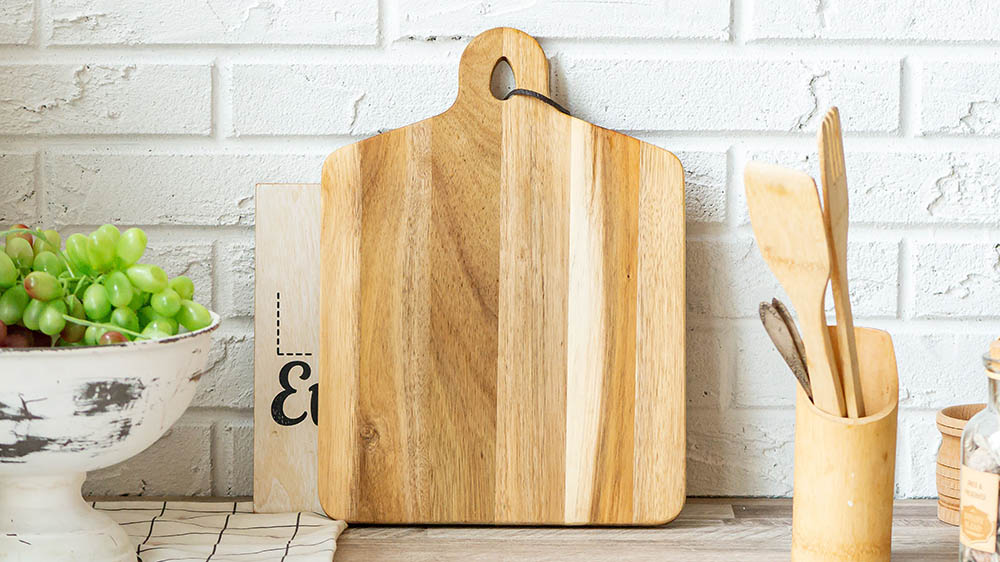
What Exactly is a Paper Cutting Board?
When we talk about “paper cutting boards,” we’re not talking about your everyday stationery. Instead, these are sophisticated composite cutting boards meticulously crafted from multiple layers of high-quality paper fibers or wood pulp. These layers are saturated with a food-safe, thermosetting resin and then subjected to immense heat and pressure. The result is a dense, non-porous material that’s surprisingly hard, stable, and durable. Think of it as a super-material that transforms ordinary paper into an extraordinary kitchen surface.
Brands like Epicurean, a prominent name in this space, often utilize a material known as Richlite, which has a long history of use in demanding commercial settings, from industrial surfaces to skatepark ramps, before making its way into our homes. This heritage speaks volumes about the material’s inherent strength and resilience. The process involves carefully stacking these resin-infused sheets, often alternating the direction of the paper grain to ensure optimal balance and stability, then bonding them together into a solid, unified sheet. The outcome is a material that mimics the aesthetic warmth of natural wood but with enhanced functional properties.
The Rise of Paper Cutting Boards: A Deep Dive into Their Advantages
Paper cutting boards have quickly gained popularity, and for good reason. They boast a range of benefits that make them a standout choice for home cooks and professional chefs alike.
Durability and Longevity: Built to Last
One of the most compelling aspects of paper composite cutting boards is their exceptional durability. These boards are engineered to withstand the rigors of daily kitchen life without cracking, warping, or splintering, a common issue with some traditional wood boards. Their high-density construction means they can endure heavy-duty usage, maintaining their structural integrity over years. Unlike thinner plastic boards that can quickly show deep knife marks and fray, paper composites resist significant gouging, ensuring a smoother, more even cutting surface for longer. This robust nature makes them a worthwhile investment for any kitchen.
Knife-Friendly Prowess: Keeping Your Edges Sharp
A common concern for anyone who values their culinary tools is how a cutting board impacts knife sharpness. While some cutting surfaces, like glass or ceramic, are notorious for dulling blades almost instantly, paper cutting boards strike a far better balance. They are generally considered gentle on knife blades, allowing your knives to stay sharper for longer periods compared to harder materials.
It’s true that they might feel a touch firmer than a very soft end-grain wooden board, but they are significantly less abrasive than many other options. This “knife-friendly” characteristic means less frequent honing and sharpening, which not only saves you time but also prolongs the life of your precious knives. For those using high-quality Japanese knives, for instance, a paper composite board offers a compromise between the ultimate softness of specialized rubber boards and the convenience of a harder, more resilient surface.
Effortless Cleaning and Hygiene: A Dream Come True
Perhaps the biggest game-changer for paper composite boards is their incredible ease of cleaning and superior hygiene. Because the resin-bonded paper forms a completely non-porous surface, these boards won’t absorb food odors, stains, or harmful bacteria. This is a significant advantage over traditional wood boards, which, while beautiful, can be porous and require meticulous drying and oiling to prevent bacterial growth and warping.
Cleaning your paper cutting board is a breeze: simply wash it with hot, soapy water, or even better, pop it directly into the dishwasher! The high heat and intense cleaning cycles of a dishwasher, which would spell disaster for a wooden board, pose no threat to most paper composites. This dishwasher-safe feature is a huge time-saver and a major boost for food safety, especially when handling raw meats or poultry, as it ensures a thoroughly sanitized surface every time.
Heat Resistance and Versatility: More Than Just a Cutting Surface
Many paper composite boards boast impressive heat resistance, often capable of withstanding temperatures up to 350°F (176°C) without warping or softening. This feature adds a layer of versatility to your kitchen toolkit, allowing the board to double as a stylish trivet for hot pots and pans straight from the oven or stovetop. Beyond cutting and heat protection, their sleek appearance and clean lines make them excellent serving platters for cheese, charcuterie, or appetizers, seamlessly transitioning from prep work to presentation.
Eco-Conscious Choice: Good for the Planet
For the environmentally conscious cook, paper cutting boards offer a compelling sustainable alternative. Many reputable brands construct their boards from recycled paper fibers, diverting waste from landfills and reducing the demand for virgin materials. The manufacturing process often has a lower carbon footprint compared to petroleum-based plastics. By choosing a durable, long-lasting paper composite board, you’re investing in a product that aligns with eco-friendly values, contributing to waste reduction and supporting responsible material sourcing throughout its lifecycle.
Lightweight Design: Handle with Ease
Despite their robust nature, paper composite cutting boards are typically thinner and lighter than their traditional wooden counterparts. This makes them incredibly easy to handle, lift, and maneuver around the kitchen. Storing them is also less cumbersome; they can often be slipped into narrow spaces or hung without taking up much room. This lightweight characteristic is a subtle but significant benefit, enhancing the overall user experience during busy cooking sessions.
Navigating the Nuances: What to Consider Before You Buy
While paper cutting boards offer a wealth of advantages, it’s always wise to consider all aspects before making a purchase.
Initial Investment: Quality Comes at a Price
Generally, paper composite cutting boards might have a slightly higher upfront cost compared to basic plastic options. However, when you factor in their exceptional durability, longevity, and low maintenance requirements, they often prove to be a more cost-effective choice in the long run. The investment pays off through years of reliable service and reduced need for replacements.
Surface Feel and Knife Feedback: A Different Experience
For chefs deeply accustomed to the “give” of a traditional, softer wood board, the feel of a paper composite might take a little getting used to. While still knife-friendly, they offer a firmer cutting surface. This isn’t a drawback, merely a difference in tactile experience. Most users quickly adapt and even come to prefer the solid, stable feel under their knife.
Potential for Staining: Vigilance is Key
Although paper composite boards are highly stain-resistant, they are not entirely stain-proof. Oily, highly pigmented, or acidic foods (think beet juice, turmeric, or tomato paste) can potentially leave a faint mark if left on the surface for extended periods. The good news is that minor stains can often be lightly sanded away with fine-grit sandpaper, restoring the board’s pristine appearance – a trick not possible with many other materials.
Warping Prevention: Proper Drying is Crucial
While these boards are dishwasher safe and tolerant of moisture, it’s important to prevent prolonged exposure to wet or damp conditions, especially if the board isn’t designed with feet or a raised edge. Like many board materials, they can potentially warp if left soaking in water or laid flat on a wet surface for extended periods. To avoid this, always dry your paper composite board thoroughly and store it upright on its edge to ensure proper air circulation.
Choosing Your Perfect Paper Cutting Board: A Buyer’s Guide
Selecting the right cutting board involves more than just picking a pretty color. Here’s what to keep in mind when choosing a paper cutting board:
Size and Thickness for Every Need
Consider your typical cooking tasks and available kitchen space. Do you need a large board for carving roasts and heavy-duty vegetable prep, or a smaller one for quick tasks like slicing fruit or mincing herbs? Thicker boards generally offer more stability and durability, while thinner ones are lighter and easier to store. Many brands offer a range of sizes to suit every culinary endeavor.
Features That Enhance Functionality
Look for features that align with your cooking style. A juice groove around the perimeter is invaluable for collecting liquids when cutting juicy fruits, vegetables, or meats, preventing spills onto your countertop. Non-slip feet or rubber nubs on the corners can provide extra stability, eliminating the need for a damp paper towel underneath and ensuring a safer cutting experience. Some boards are also reversible, offering two usable surfaces for added versatility.
Brand Reputation: Trust in Quality
Opt for well-known and trusted brands like Epicurean, which have established a reputation for quality, durability, and food safety standards. Reading reviews and checking for certifications (like NSF for sanitation or FSC for sustainable forestry) can give you peace of mind about your purchase.
Caring for Your Paper Cutting Board: Simple Steps for Lasting Performance
One of the greatest joys of owning a paper cutting board is its minimal maintenance. Forget the endless oiling and delicate hand-washing rituals often associated with high-quality wooden boards.
Daily Cleaning: Keep it Simple
After each use, simply wash your paper cutting board with hot, soapy water. A sponge or brush is usually sufficient to remove food residues. For ultimate convenience and thorough sanitization, most paper composite boards are designed to go straight into the dishwasher. Just load it up with your other dishes, and let the machine do the work.
Drying and Storage: A Little Care Goes a Long Way
While dishwasher-safe, it’s still best practice to allow your board to dry thoroughly after washing. If not using a dishwasher, towel dry it immediately. To prevent any potential warping over time, store your board upright on its edge or in a rack that allows for air circulation on all sides. This helps evaporate any residual moisture evenly.
Dealing with Stubborn Stains: The Sanding Trick
If a particularly vibrant or oily ingredient leaves a faint mark, don’t despair! Unlike plastic boards where deep stains can be permanent, many paper composite boards can be lightly sanded. Use a fine-grit sandpaper (around 120-220 grit) and gently rub the stained area until the mark diminishes. Always sand with the grain of the board for the best results, then clean and dry it as usual. This unique ability to refresh the surface adds to their impressive longevity.
No Oiling Required: A Maintenance-Free Marvel
Another fantastic benefit is that paper composite boards generally do not require oiling or conditioning. Their non-porous surface doesn’t absorb liquids in the way wood does, so there’s no need for mineral oil or beeswax treatments to prevent drying and cracking. Some users, however, occasionally apply a wood conditioner to enhance the board’s appearance and deepen its natural luster, but this is purely aesthetic and not necessary for performance or durability.
Beyond the Board: Food Safety and Cross-Contamination
Food safety is paramount in any kitchen, and paper cutting boards excel in this critical area. Their non-porous surface is a significant advantage in preventing the absorption of liquids from raw meats, poultry, or fish, which can harbor harmful bacteria. This inherent characteristic reduces the risk of cross-contamination, a crucial concern when preparing different types of food.
Despite their non-porous nature, proper cleaning remains essential. Even the most hygienic surface needs a thorough wash after coming into contact with raw ingredients. The ease with which paper cutting boards can be sanitized – especially their compatibility with dishwashers – makes them an incredibly safe choice for busy households where time and hygiene are top priorities. Many professional kitchens embrace these boards for their reliability in maintaining sanitary conditions.
Paper Cutting Boards vs. The Competition: Wood, Plastic, and Beyond
To truly appreciate the value of paper cutting boards, it helps to see how they stack up against other popular materials:
- Against Wood: Wood cutting boards, particularly end-grain options, are often lauded for being exceptionally gentle on knives and their aesthetic appeal. However, they demand more rigorous maintenance, including regular oiling, hand washing, and careful drying to prevent warping, cracking, and bacterial growth. Paper composite boards offer a similar natural look and feel, but with vastly simplified care, being dishwasher safe and non-porous, making them more hygienic without the upkeep.
- Against Plastic: Plastic cutting boards are affordable and often dishwasher safe. However, they tend to show deep knife grooves quickly, which can harbor bacteria and are difficult to clean thoroughly. Furthermore, there’s growing concern about microplastics shedding into food and the environment. Paper cutting boards surpass plastic in durability, hygiene (due to non-porosity and resistance to deep cuts), knife-friendliness, and eco-friendliness, presenting a superior, longer-lasting alternative.
- Against Glass and Metal: While hygienic and durable, glass and metal cutting boards are the sworn enemies of sharp knives. They will rapidly dull and even chip your blades, making them unsuitable for regular chopping tasks. Paper composite boards are a far gentler and more functional choice for knife preservation.
Expert Insight: “Paper cutting boards represent a harmonious blend of innovation and practicality. They offer modern kitchens a reliable, low-maintenance surface that respects both your knives and the environment, making them an undeniable asset for any home cook.” – Chef Anya Sharma.
The Future of Food Prep is Here
Paper cutting boards are more than just a passing trend; they are a thoughtfully engineered solution to many common kitchen dilemmas. From their impressive durability and knife-friendly surface to their effortless cleaning and eco-conscious construction, they offer a comprehensive package that caters to the demands of contemporary cooking. They eliminate the constant worry of maintenance, provide peace of mind regarding hygiene, and do so with a reduced environmental footprint.
Whether you’re a seasoned chef or just starting your culinary journey, investing in a high-quality paper cutting board can genuinely elevate your food preparation experience. They simplify cleanup, protect your valuable knives, and stand as a testament to how innovative materials can make our everyday kitchen tasks more efficient, hygienic, and enjoyable. So, why not give this modern marvel a try and discover the difference it can make in your kitchen?