In the heart of every home, the kitchen stands as a hub of creation, connection, and culinary delights. While essential tools fill our drawers and counters, few items blend functionality with heartfelt sentiment quite like a Personalized Cutting Board. More than just a surface for chopping, a personalized cutting board transforms a simple kitchen staple into a cherished heirloom, a unique decorative piece, or a deeply meaningful gift that tells a story. It’s a canvas where artistry meets utility, turning everyday meal prep into an experience infused with personal touch and enduring charm.
The Enduring Allure of Personalized Cutting Boards
A cutting board has always been a fundamental kitchen tool, evolving from basic slabs of wood or stone to the diverse materials we see today. Historically, they were purely practical, designed to protect countertops and provide a stable chopping surface. However, the concept of a “personalized cutting board” elevates this humble workhorse to something far more significant. It moves beyond mere utility, becoming a focal point, a conversation starter, and a tangible representation of love, memory, and individual style. Imagine slicing vegetables on a board engraved with your family name or presenting a stunning charcuterie spread on a board featuring a significant date. These personalized touches weave narratives into the fabric of daily life, making each use a small celebration.
Choosing Your Perfect Personalized Canvas: Materials and Styles
The journey to finding or creating the ideal personalized cutting board begins with understanding the materials and customization techniques available. Each choice contributes to the board’s aesthetic, durability, and suitability for its intended use.
Wood: The Classic Choice with Character
When it comes to cutting boards, wood remains the gold standard, offering a beautiful blend of durability, knife-friendliness, and natural antimicrobial properties. For personalized boards, certain wood types truly shine.
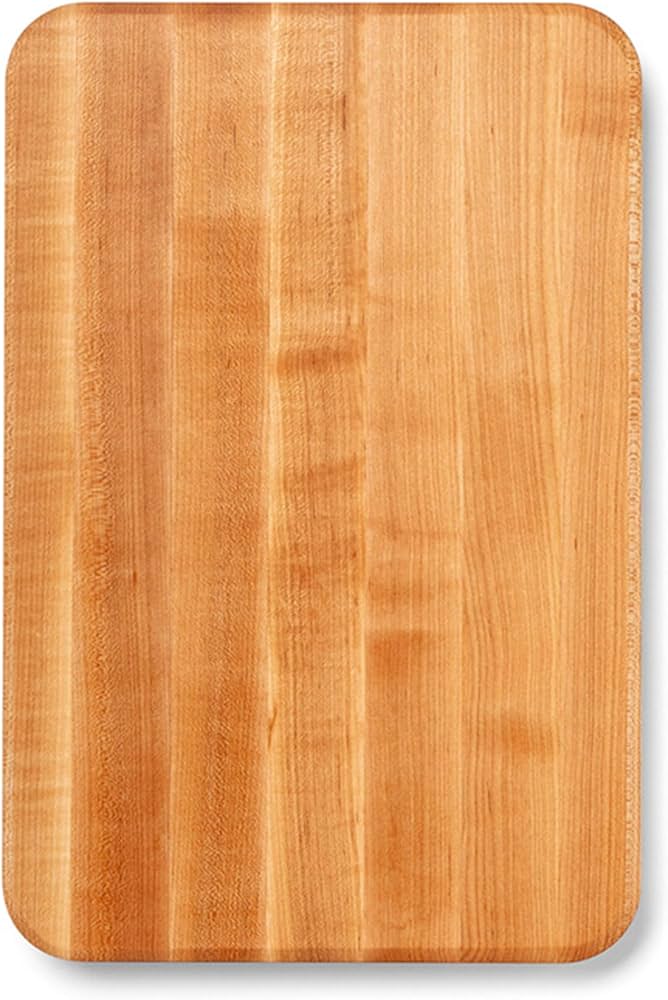
- Maple: Often considered the workhorse of cutting boards, maple is a light-colored hardwood with a fine, smooth grain. Its even tone makes engraved designs stand out beautifully, offering a clean and crisp finish. Maple is incredibly durable and resistant to scarring from knives, making it a long-lasting choice.
- Walnut: For those who appreciate a deeper, richer aesthetic, walnut is an excellent option. Its dark, luxurious grain provides an elegant backdrop for lighter engravings or a sophisticated contrast for bolder designs. Walnut is a softer hardwood than maple, which is gentle on knife blades, and its natural oils offer good resistance to moisture.
- Cherry: Cherry wood boasts a beautiful reddish-brown hue that deepens and warms with age, developing a rich patina over time. This natural progression gives cherry boards a unique, evolving character. Like walnut, cherry is kind to knives and offers a naturally inviting appearance.
- Bamboo: A highly sustainable and eco-friendly choice, bamboo is technically a grass, but it behaves like a hard, dense wood. It’s known for being harder than many hardwoods, absorbing less moisture, and resisting shrinking or swelling, making it a stable and durable option for personalized cutting boards. Its distinctive grain offers a contemporary look.
- Other Woods: You might also encounter personalized cutting boards made from hickory, oak, teak, or olive wood. Olive wood, in particular, is prized for its intricate, beautiful grain patterns, often making it a decorative favorite.
Beyond the type of wood, consider the grain construction:
- End-Grain Boards: These boards are made by arranging small blocks of wood with the grain facing upwards, creating a checkerboard pattern. This construction is highly durable and incredibly gentle on knives, as the knife edge slides between the wood fibers rather than cutting across them. This self-healing property helps the board last longer and keeps knives sharper.
- Edge-Grain Boards: Constructed from strips of wood glued together with the grain running along the length, these boards are more common and generally more affordable. While still durable, they show knife marks more readily than end-grain boards.
Beyond Wood: Exploring Other Materials
While wood dominates the personalized cutting board market, other materials offer unique characteristics:
- Slate: Often used for charcuterie or cheese boards, slate provides a sophisticated, rustic elegance. Engravings on slate create a striking, light-on-dark contrast, making it ideal for serving rather than heavy chopping.
- Plastic: While highly practical for raw meat due to its non-porous nature and dishwasher-safe cleaning, plastic cutting boards are less commonly personalized for aesthetic or sentimental reasons. They scratch easily, which can harbor bacteria.
- Glass and Marble: These materials are beautiful for display or serving, but they are extremely hard and will quickly dull knife blades. For this reason, they are not recommended for actual cutting.
Customization Techniques: Bringing Your Vision to Life
The magic of a personalized cutting board lies in its unique customization. The most popular methods include:
- Laser Engraving: This precise technique uses a laser to burn designs, text, or images into the surface of the wood. It offers exceptional detail and is perfect for intricate patterns, monograms, names, dates, and even handwritten recipes.
- Carving/Wood Inlay: For a deeper, more tactile personalization, some artisans carve designs directly into the wood. This method can create a more rustic or artisanal feel. Words with Boards, for example, is known for their distinctive carved-out designs.
- Inscriptions: Simple, elegant text, monograms (single or multiple initials), significant dates, family names, beloved quotes, or even company logos can be beautifully inscribed, making each personalized cutting board truly one-of-a-kind.
How to Choose a Personalized Cutting Board That’s Just Right
Selecting the perfect personalized cutting board involves a thoughtful balance between its intended purpose, the recipient’s preferences, and the specific occasion.
Considering the Recipient and Occasion
A personalized cutting board makes an exceptional gift because it’s both practical and deeply personal.
- Weddings & Anniversaries: These are perhaps the most popular occasions for personalized cutting boards. Engrave the couple’s names, wedding date, or a elegant monogram to commemorate their union. Wood is traditionally gifted on the fifth anniversary, symbolizing the strength of the relationship.
- Housewarmings: A new home deserves a warm welcome. A personalized cutting board with the family’s name, a “Welcome Home” message, or even coordinates of their new abode makes a thoughtful and practical gift.
- Holidays: Festive designs, family names, or holiday greetings can transform a cutting board into a cherished holiday gift, perfect for Thanksgiving, Christmas, or other celebrations.
- For the Avid Cook or Chef: A personalized cutting board featuring a beloved family recipe in original handwriting or a custom design celebrating their culinary passion is a deeply meaningful present.
- Grill Masters and Entertainers: Boards with specialized designs, juice grooves for carving meats, or large charcuterie boards personalized for entertaining are sure to impress.
Practical Considerations: Size, Shape, and Features
Think about how the board will be used. Will it be primarily for heavy-duty chopping, or more for serving and display?
- Size: Consider available counter space and the scale of typical cooking tasks. Larger boards (e.g., 20×15 inches) are great for carving roasts, while smaller ones might be perfect for garnishes or serving cheese.
- Shape: Rectangular and square boards are common for prep, while paddle-shaped or round boards are popular for charcuterie and serving.
- Features: Look for details like juice grooves to catch liquids from meats or fruits, and ergonomic handles for easy lifting and serving.
Decorative vs. Functional: Can It Be Both?
Absolutely! A well-chosen personalized cutting board can excel in both aesthetics and utility. Many choose to engrave one side for display and use the other side for cutting, preserving the personalized design. This allows the board to serve as beautiful kitchen decor when not in active use, then be flipped for food preparation.
Nurturing Your Personalized Cutting Board: Care and Maintenance
To ensure your personalized cutting board remains a beautiful and functional centerpiece for years to come, proper care is paramount. Wood is a living material, and with a little tender loving care, it will age gracefully.
The Golden Rules of Cleaning Your Engraved Board
Keeping your personalized cutting board clean is crucial for hygiene and preserving its unique design.
- Hand Wash Only: This is the most critical rule. Never, ever put a wooden cutting board in the dishwasher. The extreme heat and prolonged exposure to water will cause the wood to warp, crack, and potentially damage the engraved design.
- Mild Soap and Warm Water: After each use, wash your board with warm water and a mild, unscented dish soap. Use a soft sponge or cloth to gently scrub the surface.
- Avoid Soaking: Do not soak your wooden cutting board in water for extended periods. This can lead to excessive moisture absorption, which causes warping and cracking.
- Gentle Scrubbing on Engravings: Be gentle when cleaning over engraved areas. Abrasive pads or harsh scrubbing can wear down the engraving over time. A soft brush or cloth is ideal.
- Lemon and Salt for Deep Cleaning: For natural sanitization and odor removal, sprinkle coarse salt over the board and rub it with half a lemon. The lemon’s acidity helps disinfect and lift stains, while the salt acts as a gentle abrasive. Rinse thoroughly afterward.
Oiling for Longevity: Keeping Your Wood Hydrated
Wood needs moisture to stay healthy and prevent drying out, which can lead to cracking and splitting. Regular oiling is like moisturizing your board.
- Food-Grade Mineral Oil: This is the most recommended oil for cutting boards because it’s food-safe, colorless, odorless, and doesn’t go rancid. You can also use specialized cutting board conditioners that often contain a blend of mineral oil and beeswax.
- Regular Application: Aim to oil your board monthly, or whenever the wood appears dry or dull. If you use your board frequently, you might do it more often.
- How to Apply: Apply a generous amount of oil to a clean, dry board. Use a soft cloth to rub the oil evenly over all surfaces, including the sides and edges. Let the oil soak in for several hours, ideally overnight. The wood will absorb what it needs.
- Wipe Excess: After soaking, wipe off any excess oil with a clean, dry cloth. Your board should feel smooth and hydrated, not greasy.
- Beeswax for Extra Protection: After oiling, some prefer to apply a thin layer of food-grade beeswax or a board cream containing beeswax. This creates an additional protective barrier against moisture and helps maintain the board’s finish.
Proper Storage: Avoiding Warping and Damage
How you store your board can significantly impact its lifespan.
- Dry Completely: Always ensure your board is thoroughly dry before storing it. Any trapped moisture can lead to warping or mildew.
- Store Upright: Store your cutting board on its edge or in a rack that allows air to circulate evenly around all sides. Laying it flat on a damp counter or surface can trap moisture and cause one side to dry unevenly, leading to warping.
- Avoid Extremes: Keep your board away from extreme heat sources (like direct sunlight, ovens, or radiators) and areas of high humidity. Sudden or drastic changes in temperature and moisture can stress the wood and cause it to crack.
Food Safety and Your Personalized Cutting Board
Food safety is paramount in any kitchen. While wood has natural antimicrobial properties, mindful usage is still key.
- Preventing Cross-Contamination: It’s a good practice to designate different cutting boards for different food types. For instance, use a non-porous board (like plastic) for raw meats, poultry, and seafood, and reserve your personalized wooden board for fruits, vegetables, bread, and ready-to-eat foods. This minimizes the risk of cross-contamination. Always ensure thorough cleaning after each use, regardless of the food type.
- The Natural Resistance of Wood: Research has shown that wooden cutting boards can be more hygienic than plastic over time, as wood naturally inhibits bacterial growth and draws bacteria into its fibers, where they eventually die. This “self-healing” aspect, particularly in hardwoods, contributes to their long-term safety.
Beyond the Kitchen: Creative Uses for Personalized Boards
A personalized cutting board doesn’t have to be confined to just chopping and dicing. Its unique aesthetic and sentimental value open up a world of other uses.
- Stunning Charcuterie & Cheese Boards: With their elegant personalization, these boards are perfect for serving an impressive spread of cheeses, cured meats, fruits, and crackers, making them the star of any gathering.
- Decorative Wall Art or Display Pieces: When not in use, a beautifully personalized board can be displayed as a piece of art in your kitchen or dining area, leaning against a backsplash or mounted on a wall. It adds warmth and character to your home décor.
- Heirloom Pieces: A cutting board engraved with a cherished family recipe in a loved one’s actual handwriting becomes a tangible piece of family history, meant to be passed down through generations, connecting past and present through culinary tradition.
Frequently Asked Questions About Personalized Cutting Boards
Got more questions? Here are some common queries about these special kitchen companions:
Q: Can I really use a personalized cutting board for cutting?
A: Absolutely! Many personalized cutting boards are designed for full functionality. To protect the engraving, many people opt to use one side for chopping and reserve the engraved side for serving or display.
Q: How often should I oil my personalized cutting board?
A: A good rule of thumb is to oil your board monthly, or whenever the wood starts to look dry, dull, or lighter in color. If you use it very frequently, you might choose to oil it more often.
Q: Can I put my personalized cutting board in the dishwasher?
A: No, never. Dishwashers subject wooden boards to extreme heat and prolonged moisture, which will cause them to warp, crack, and significantly shorten their lifespan. Always hand wash.
Q: What’s the best wood for a personalized cutting board?
A: Maple, walnut, and cherry are top choices for their durability, aesthetic appeal, and kindness to knives. Bamboo is another excellent, sustainable option. The “best” often depends on your aesthetic preference and intended use.
Q: How do I remove stubborn stains or odors?
A: For stains and odors, a natural solution of coarse salt and half a lemon works wonders. Sprinkle salt, scrub with the lemon (cut side down), let sit for a few minutes, then rinse and dry thoroughly. Baking soda paste can also tackle stubborn stains.
Crafting Your Culinary Legacy
A personalized cutting board transcends its humble origins as a kitchen tool. It becomes a testament to craftsmanship, a canvas for personal expression, and a vessel for enduring memories. Whether chosen as a thoughtful gift for a loved one or a special addition to your own kitchen, a personalized cutting board offers a unique blend of practicality, beauty, and sentiment. By selecting the right materials, embracing the perfect customization, and committing to simple care routines, you ensure that this meaningful item continues to serve, inspire, and tell its story for generations to come. So go ahead, find or create that perfect personalized cutting board—it’s an investment in both your kitchen and your legacy.