If you’ve ever hosted a pizza night, whether it’s a homemade masterpiece or a gourmet takeout treat, you know the struggle is real when it comes to serving that piping hot, cheesy goodness. You try to cut it on a countertop, risking scratches, or maybe you use a regular cutting board that’s just not quite right. Enter the unsung hero of pizza nights: the dedicated Pizza Cutting Board. This isn’t just another kitchen gadget; it’s an essential tool that elevates your entire pizza experience, protecting your surfaces, keeping your blades sharp, and making serving a breeze. Let’s dive deep into why a quality pizza cutting board is a game-changer for any pizza enthusiast.
A Slice of History: The Evolution of Cutting Surfaces
From ancient times, humans have used various surfaces to prepare food, evolving from simple stones and logs to sophisticated kitchen tools. The concept of a dedicated cutting board, while seemingly modern, has roots in practicality and hygiene. As culinary techniques advanced, so did the need for specialized equipment. For something as beloved and globally consumed as pizza, it was only a matter of time before a cutting surface designed specifically for its unique needs would emerge, transforming how we slice and serve our favorite pies.
Decoding Materials: What Your Pizza Cutting Board is Made Of
When choosing a pizza cutting board, the material is paramount, influencing everything from durability to knife-friendliness and maintenance. Let’s break down the most common options.
Wooden Wonders: The Classic Choice
Wooden cutting boards are often considered the gold standard, and for good reason. They are sturdy, long-lasting, and simply look fantastic, adding a rustic charm to your kitchen.
- Hardwoods: Options like maple, walnut, oak, and acacia are highly recommended. Walnut, in particular, is a favorite among chefs because it’s one of the softer hardwoods with a closed grain. This means it’s gentler on your pizza cutter or knife blades, helping them stay sharp longer, and is more water-resistant than open-grained woods. Maple and oak also offer excellent durability and a pleasing aesthetic.
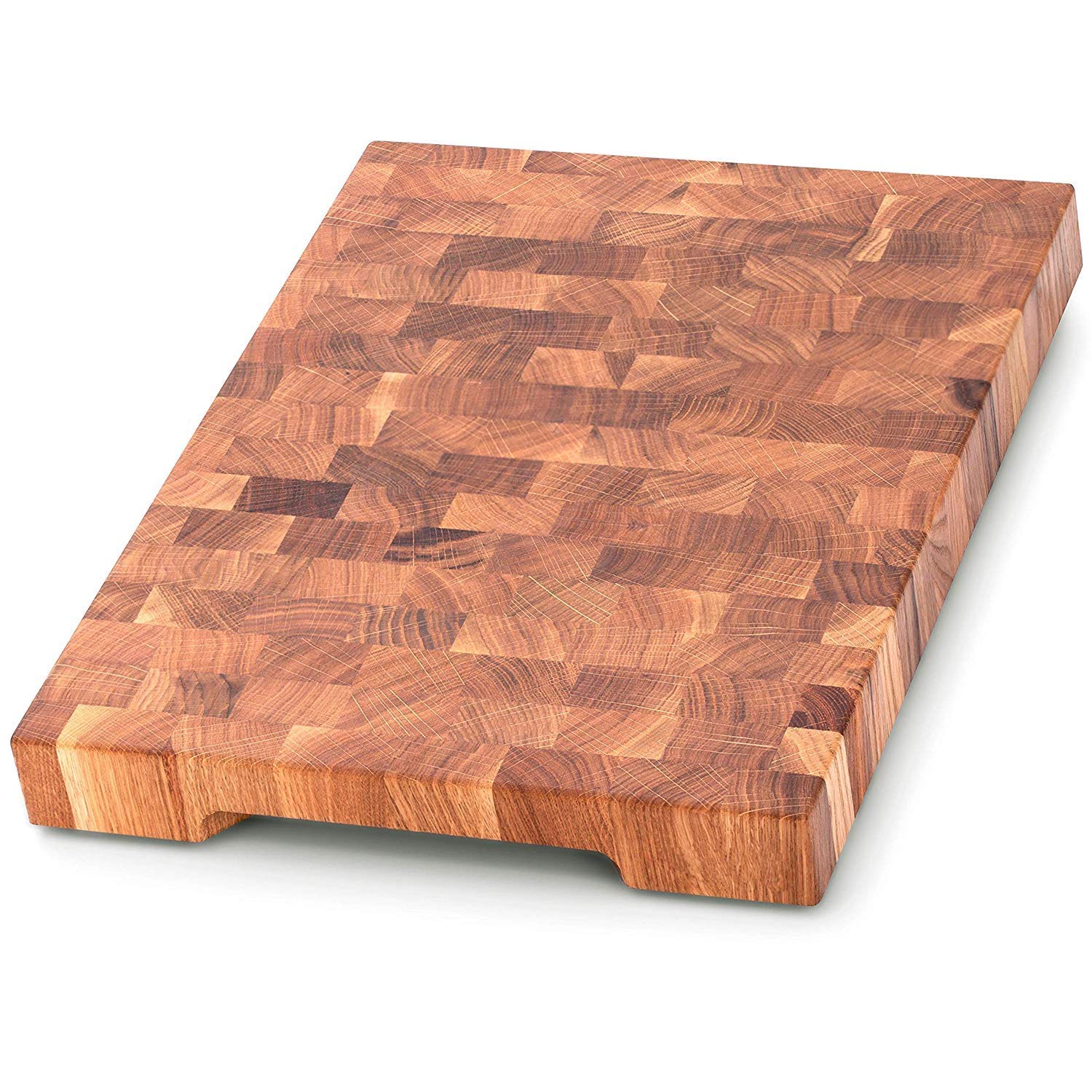
- End-grain vs. Edge-grain: This refers to how the wood is constructed. End-grain boards are made by arranging small blocks of wood with the grain facing up, creating a “self-healing” surface where knife cuts close up, further protecting your blades and extending the board’s life. Edge-grain boards, while still durable, can show knife marks more readily. For a premium pizza cutting board, end-grain is often the superior choice.
Bamboo: The Eco-Friendly Contender
Bamboo boards have soared in popularity, and they offer a compelling alternative to traditional wood.
- Why Bamboo? Technically a grass, bamboo is incredibly durable – often 2-3 times harder than many hardwoods. This makes it a robust surface for your pizza cutting board. It’s also celebrated for its sustainability, growing rapidly and making it an eco-conscious choice. Bamboo boards are typically lightweight and easy to clean, requiring less intensive care than some wooden counterparts, though occasional oiling is still beneficial. However, their hardness can sometimes be a bit tougher on very delicate knife edges compared to softer hardwoods like walnut.
Plastic: Practicality in the Kitchen
Plastic cutting boards are ubiquitous, offering convenience and affordability.
- The Upside: Plastic boards are lightweight, often inexpensive, and many are dishwasher-safe, making sanitation straightforward. They come in a variety of colors and sizes.
- The Downside: The main drawback is that plastic tends to accumulate deep scratches over time. These grooves can harbor bacteria and are difficult to truly sanitize, even in a dishwasher. Furthermore, plastic can be less kind to your knife blades, potentially dulling them faster than wood or bamboo. While practical for some kitchen tasks, for a dedicated pizza cutting board, wood or bamboo often provide a better long-term solution.
Glass: Pretty but Problematic
While glass cutting boards might look sleek and are undeniably easy to clean, they are generally not recommended for cutting pizza. Their hard, non-porous surface is slippery and will quickly dull your pizza cutter or knife, making slicing a frustrating experience.
The Pizza Peel vs. The Pizza Cutting Board: Knowing the Difference
This is a common point of confusion, but understanding the distinction is vital. A pizza peel, typically a flat paddle with a handle, is designed solely for transferring raw pizzas into and cooked pizzas out of a hot oven. Its thin, often beveled edge allows it to slide easily under the dough.
A pizza cutting board, on the other hand, is built for cutting and serving. Using a pizza peel as a cutting board is a cardinal sin in the pizza world! Cutting on a peel will inevitably create deep scratches in its surface. These gouges can make it incredibly difficult for raw dough to slide off smoothly the next time you try to launch a pizza, leading to sticky situations and ruined pies. Keep your tools separate for their intended purposes, and your pizza-making journey will be much smoother.
Choosing Your Perfect Pizza Partner: A Buyer’s Guide
Selecting the right pizza cutting board involves a few considerations to ensure it perfectly complements your pizza-making and serving style.
Size and Shape: Fit for Your Feast
- Size Matters: The golden rule is simple: your cutting board should be large enough to comfortably accommodate the biggest pizza you typically make or order. A 15-inch board is often suitable for most home-baked pizzas, but if you’re known for large-format pies, consider a 16-inch or even 20-inch option.
- Round vs. Square: Round boards offer a classic, authentic presentation for your pizzas, perfectly mirroring their shape. Some even come with pre-cut grooves to guide your slices for perfectly even portions. Square or rectangular boards, while perhaps less traditional for pizza, offer greater versatility, doubling as a general chopping board or charcuterie platter.
Features to Look For: Grooves, Handles, and Feet
Thoughtful design elements can significantly enhance the functionality of your pizza cutting board.
- Juice Grooves: While not strictly necessary for pizza, a perimeter groove can catch any stray cheese or sauce, keeping your countertops cleaner.
- Handles: Integrated handles make it much easier to move a heavy, fully loaded pizza board from the kitchen to the dining table, transforming it into an ideal serving platter.
- Silicone Feet: Some high-quality boards come with non-slip silicone feet, providing excellent stability during cutting and preventing the board from sliding around on your counter.
Consider Your Pizza Style: Thin Crust to Deep Dish
Think about the type of pizza you frequently enjoy. A thinner board might suffice for delicate thin crusts, while a thicker, more substantial pizza cutting board offers the stability needed for heartier deep-dish or fully loaded pies. A robust board ensures it won’t warp or move under the pressure of a rock-sharp pizza cutter.
Keeping it Pristine: Care and Maintenance for Longevity
A good pizza cutting board is an investment, and like any quality kitchen tool, it thrives with proper care. Especially for wooden and bamboo boards, maintenance is key to their longevity and hygiene.
Daily Cleaning Rituals: Hand Wash, Don’t Soak
The cardinal rule for wood and bamboo cutting boards is simple: never put them in the dishwasher or leave them to soak in water. The harsh detergents, extreme heat, and prolonged moisture can cause warping, cracking, and even dissolve the glue holding the board together.
- How to Clean: Immediately after use, scrape off any excess food with a bench scraper or spatula. Then, hand wash your board in the sink using warm water and a mild dish soap. Use a sponge or a nylon brush to scrub both sides thoroughly.
- Drying: After washing, rinse the board well and immediately dry it with a clean dish towel. Crucially, let it air dry completely in an upright position (like in a dish rack) where air can circulate around all surfaces. This prevents moisture from pooling, which can lead to mold or uneven drying and warping.
Deep Cleaning and Sanitization: Banishing Bacteria
For those times when your pizza cutting board needs more than a quick wash, here are some effective methods for deep cleaning and sanitization:
- Baking Soda for Stains and Odors: Mix two tablespoons of baking soda with one cup of water to create a paste. Spread this slurry over the board, let it sit for a few minutes (longer for strong odors), then scrub with a sponge and rinse thoroughly. Baking soda is a natural deodorizer and gentle abrasive.
- Salt and Lemon/Vinegar for Brightening: Sprinkle coarse kosher salt generously over the board. Then, use half a lemon (cut side down) to scrub the salt into the surface. The abrasive salt and acidic lemon juice work together to lift stains and neutralize odors, leaving a fresh scent. Alternatively, you can spritz the salted board with white vinegar. Rinse thoroughly afterward.
- Hydrogen Peroxide (3%) for Germs: For a quick sanitization, pour 3% hydrogen peroxide over the board, spread it with a clean sponge, let it sit for a few minutes as it fizzes, then wipe off and rinse.
- Diluted Bleach for Serious Sanitization (Use with Caution on Wood): For an occasional, extra-deep clean, especially after contact with raw meat (though typically not an issue with a pizza board), mix 1 teaspoon of bleach with 1 quart of water. Apply the solution to the board, let it sit for a few minutes, then rinse very thoroughly with hot water to remove all bleach residue. This method should be used sparingly for wooden boards.
The Secret to Sustained Splendor: Oiling Your Board
Just like your skin needs moisturizer, your wooden or bamboo pizza cutting board needs conditioning. Regular oiling prevents the wood from drying out, becoming brittle, and cracking.
- What to Use: Always use food-grade mineral oil or a wood butter specifically designed for cutting boards. Never use cooking oils like olive, vegetable, or nut oils, as these can go rancid and make your board smell and taste unpleasant.
- How to Oil: Ensure your board is completely clean and dry before applying oil. Pour a generous amount of mineral oil onto the board and spread it evenly with a clean cloth or paper towel, covering all sides. Let the oil soak in for at least an hour, or even overnight, allowing the wood to absorb it fully. Wipe off any excess oil with a clean, dry cloth. You’ll notice the wood’s natural beauty emerge, and it will feel smooth and hydrated. The frequency of oiling depends on use, but monthly or bi-monthly is a good guideline.
Food Safety First: Preventing Cross-Contamination
While a pizza cutting board is primarily used for cooked food, good hygiene is always paramount in the kitchen. Ensure your board is always clean before use. If, by any chance, you use it for other prep tasks, always thoroughly clean and sanitize it before returning to pizza. This simple practice prevents the spread of bacteria and keeps your culinary creations safe and delicious.
Beyond the Slice: Versatile Uses for Your Pizza Board
Don’t let the name fool you – a quality pizza cutting board can be a surprisingly versatile player in your kitchen and entertaining arsenal. Its generous surface area and sturdy construction make it perfect for a host of other uses. Think outside the pizza box:
- Charcuterie and Cheese Spreads: Transform your round board into an impressive platter for cheeses, cured meats, fruits, and crackers.
- Bread Board: Ideal for slicing and serving loaves of artisan bread, baguettes, or even bagels.
- General Serving Platter: Use it for presenting appetizers, pastries, or even a roast chicken directly from the oven (with proper cooling first, of course).
- Extra Prep Space: A large, square pizza board can provide much-needed extra counter space for chopping vegetables or assembling dishes.
As Chef Antoine Dubois, renowned for his artisanal approach to Italian cuisine, often advises, “A dedicated pizza cutting board isn’t just a tool; it’s an investment in the art of pizza making. It preserves your countertop, protects your blades, and most importantly, enhances the serving experience, making every slice a moment to cherish.”
Frequently Asked Questions about Pizza Cutting Boards
Q: Why do I need a special pizza cutting board? Can’t I just use any cutting board?
A: While you can use any board, a dedicated pizza cutting board is often larger to accommodate a full pizza, designed to withstand the pressure of a pizza cutter without excessive scratching, and often features handles for easy serving. It protects your counters and keeps your pizza cutter sharp.
Q: Is a wooden pizza cutting board better than a plastic one?
A: For pizza, many experts prefer wooden boards (especially hardwoods like walnut or bamboo). They are more durable, aesthetically pleasing, and generally gentler on knife blades. While plastic is easy to sanitize, it scratches more deeply and can harbor bacteria over time.
Q: How do I choose the right size pizza cutting board?
A: The ideal size for your pizza cutting board should be at least as large as the biggest pizza you typically make or order. A 15-inch diameter is a common and versatile size for most home pizzas, but larger boards are available for bigger pies.
Q: Can I put my wooden pizza cutting board in the dishwasher?
A: Absolutely not! Dishwashers use high heat and harsh detergents that will cause wooden and bamboo boards to warp, crack, and potentially damage the glues holding them together. Always hand wash these boards.
Q: How often should I oil my wooden pizza cutting board?
A: The frequency depends on how often you use and wash your board. A good rule of thumb is to oil it monthly or every couple of months. If your board starts to look dry or faded, it’s a good indicator that it needs oiling.
Q: What kind of oil should I use for my wooden pizza cutting board?
A: Always use food-grade mineral oil or a specialized wood butter designed for cutting boards. Avoid cooking oils like olive or vegetable oil, as they can become rancid over time, leading to unpleasant odors and flavors.
Conclusion: Elevate Your Pizza Experience
From protecting your precious countertops to ensuring your pizza cutter stays sharp, and from providing a stable surface for perfect slices to transforming into an elegant serving platter, the right pizza cutting board truly makes a difference. Understanding the nuances of materials, knowing how to choose the best fit for your needs, and mastering the art of care and maintenance will ensure your board serves you for years to come. So go ahead, invest in a quality pizza cutting board, and elevate every pizza night into a delightful culinary occasion. Slice, serve, and savor – you’ve earned it!