Stepping into any modern kitchen, whether a bustling restaurant or a cozy home, you’re bound to encounter a familiar friend: the Poly Cutting Board. Often unassuming, these workhorse surfaces are a staple for countless cooks. But what exactly makes them so prevalent, and are they truly the best choice for your culinary adventures? Dive in with us as we explore everything you need to know about poly cutting boards, from their make-up to their maintenance, ensuring you slice, dice, and chop with confidence.
What Exactly is a Poly Cutting Board?
A poly cutting board, short for polyethylene cutting board, is a type of cutting surface made from various forms of plastic polymers. These boards have become ubiquitous due to their practical nature and widespread adoption in both professional and home kitchens.
Materials: HDPE vs. Polypropylene
When we talk about poly cutting boards, we’re primarily referring to two main types of plastic: High-Density Polyethylene (HDPE) and Polypropylene (PP).
- HDPE (High-Density Polyethylene): This is the gold standard for commercial kitchens and a popular choice for home cooks alike. HDPE is renowned for its impressive durability, resistance to warping, and ease of cleaning. Its non-porous surface is a major plus, making it certified food-safe by organizations like NSF, USDA, and FDA for sanitary use. HDPE boards are tough enough to handle heavy-duty chopping and dicing, making them a reliable partner for rigorous food prep.
- Polypropylene (PP): While similar to HDPE, polypropylene boards are generally lighter and often a more economical choice. They offer good performance for everyday use and are typically dishwasher safe, though they might not possess the same extreme durability as their HDPE counterparts.
A Brief History in the Kitchen
For centuries, wood dominated the cutting board landscape. However, with the advent of plastics in the 20th century, materials like polyethylene began to offer compelling alternatives, especially for environments prioritizing rigorous hygiene and mass production. Polyethylene’s non-porous nature and ease of sanitation quickly made it a preferred choice in commercial food preparation settings, eventually trickling down to home kitchens looking for similar benefits. This shift marked a significant evolution in kitchen tool technology, moving towards materials that could withstand intense cleaning regimens and offer a lighter, more uniform cutting surface.
The Unmistakable Advantages of Poly Cutting Boards
Poly cutting boards offer a compelling suite of benefits that make them a go-to for many chefs and home cooks.
Unmatched Hygiene and Easy Cleaning
Perhaps the most celebrated advantage of poly cutting boards is their hygiene factor. Many are dishwasher safe, allowing for thorough sanitization at high temperatures, which is often a challenge for wooden boards. Their non-porous surface initially resists absorbing liquids and odors, a key benefit when handling raw meats, poultry, or strong-smelling ingredients like garlic and onions. The common practice of color-coding poly boards (e.g., red for raw meat, green for vegetables) further elevates food safety by helping prevent cross-contamination in busy kitchens.
“In a commercial kitchen, rapid and reliable sanitation is non-negotiable,” explains Chef Antoine Dubois, a culinary consultant. “Polyethylene boards, especially HDPE, allow us to maintain strict hygiene protocols with minimal fuss, which is critical when dealing with diverse food items.”
Robust Durability for Daily Use
Quality poly cutting boards, particularly those made from HDPE, are built to last. They resist chipping, cracking, peeling, and warping, standing up to the demands of daily use without deforming. This resilience means a poly board can be a long-term investment, provided it’s cared for properly and replaced when signs of wear become too pronounced.
Lightweight and Practical
Compared to their often heavy wooden or stone counterparts, poly cutting boards are typically lightweight and easy to handle. This makes them convenient to maneuver around the kitchen, transfer ingredients, and store away without strain. Their practical design often includes features like non-slip feet or juice grooves, enhancing their utility.
Budget-Friendly Choice
Generally, poly cutting boards are more affordable than high-quality wooden or bamboo boards, making them an accessible option for every budget. This cost-effectiveness, combined with their durability, offers great value.
Understanding the Downsides: What to Watch Out For
While poly cutting boards boast many advantages, it’s crucial to be aware of their limitations to make an informed choice and ensure food safety.
The Groove Conundrum: Bacteria and Wear
The most significant drawback of poly cutting boards is their tendency to develop knife marks, cuts, and grooves over time. These crevices, while initially small, can become breeding grounds for bacteria, trapping food particles and moisture that are difficult to clean out, even with rigorous washing. Once a board is deeply scarred, its hygienic advantages diminish significantly, necessitating replacement to prevent potential foodborne illness.
Microplastic Concerns
As knives score the surface of poly cutting boards, tiny plastic particles, or microplastics, can be shaved off and potentially mix with food. While research into the long-term health effects of ingesting microplastics is ongoing, this is a growing concern for many consumers, especially with older, heavily used boards.
Environmental Footprint
Polyethylene and polypropylene are plastics derived from non-renewable fossil fuels. While some poly cutting boards are made from recycled materials, and efforts are being made to improve recycling infrastructure, they generally have a larger environmental footprint than sustainable wood options, especially when frequently replaced.
Knife Edge Impact
There’s often a debate about whether plastic boards are “knife-friendly.” While some softer poly boards may be gentler than glass or stone, high-density polyethylene can be quite hard. Over time, consistent chopping on a hard poly surface can dull your knives faster than softer wood, requiring more frequent sharpening.
Choosing the Right Poly Cutting Board for Your Kitchen
Selecting the ideal poly cutting board involves considering several factors to match your cooking style and needs.
Size and Thickness Matters
Poly boards come in a variety of sizes and thicknesses.
- Thin boards (1/4 inch): Best for light tasks or as flexible mats for transferring ingredients.
- Medium boards (1/2 inch): A popular choice for general kitchen use, offering a good balance of stability and portability.
- Thick boards (3/4 inch to 1 inch): Ideal for heavy-duty chopping, butchering, or as a sturdy, stationary work surface.
Consider your available counter space and the type of food preparation you do most often.
Color-Coding for Superior Food Safety
For avid home cooks or anyone serious about preventing cross-contamination, investing in a set of color-coded poly cutting boards is a smart move. Typically, red is used for raw meat, blue for raw fish, yellow for cooked meat, green for vegetables and fruits, white for dairy or baked goods, and brown for general use. This system ensures that raw ingredients are kept separate from ready-to-eat foods, dramatically reducing the risk of transferring harmful bacteria.
Looking for Quality: FDA/NSF Certification
When purchasing a poly cutting board, look for certifications from organizations like the FDA (Food and Drug Administration) or NSF International. These certifications indicate that the material meets strict standards for food contact safety and hygiene, giving you peace of mind.
Keeping Your Poly Board Pristine: Care and Maintenance
Proper care is key to maximizing the lifespan and safety of your poly cutting board.
Everyday Cleaning: Dishwasher vs. Hand Washing
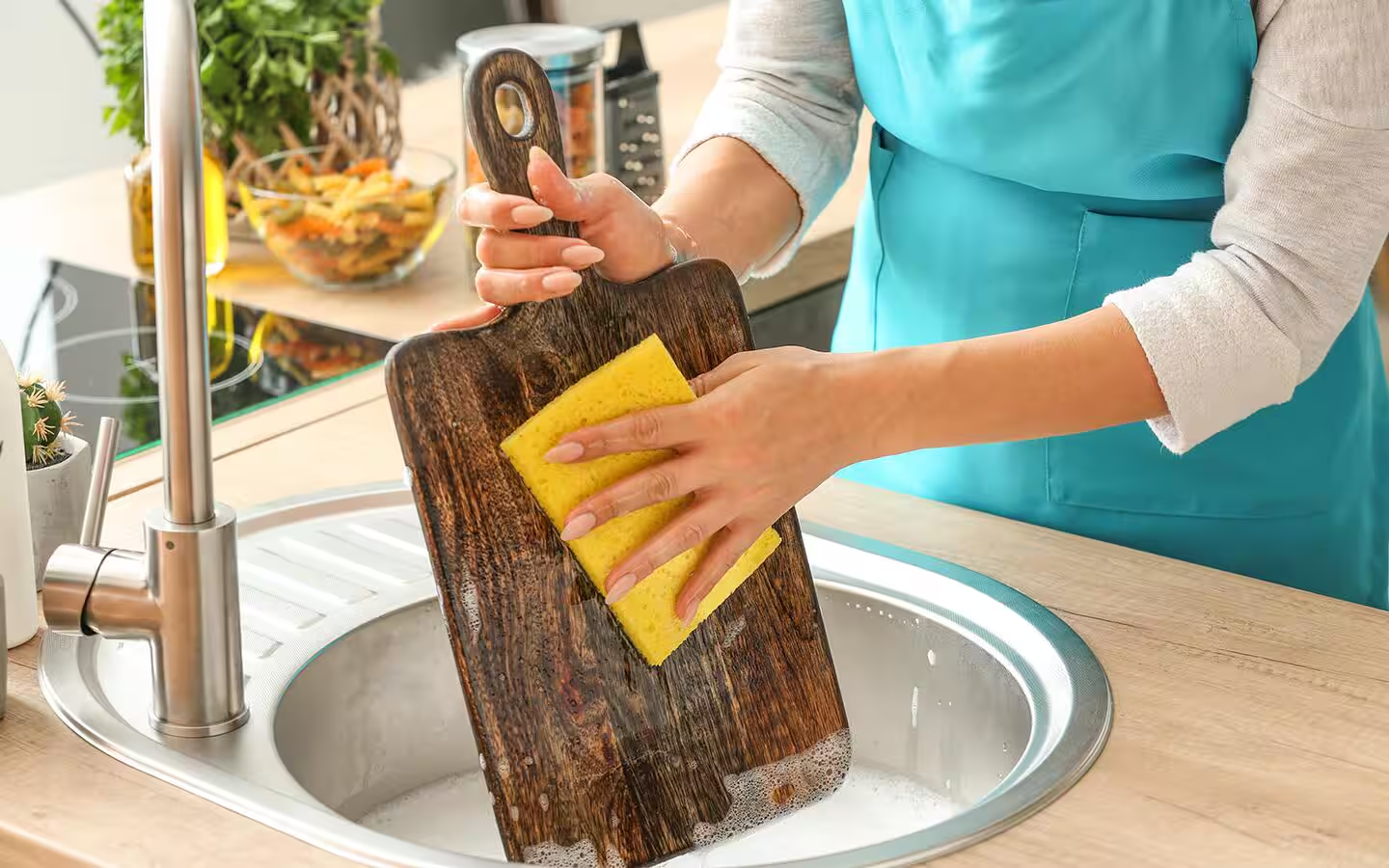
For routine cleaning, poly boards are incredibly convenient. Most can be tossed directly into the dishwasher, making cleanup a breeze. However, consistent exposure to very high dishwasher temperatures can potentially lead to warping over time. For hand washing, use hot, soapy water and a stiff-bristle brush to scrub away food residue. Rinse thoroughly.
Tackling Stains and Odors
Even non-porous poly boards can develop stains or absorb odors from strong foods.
- Bleach Solution: For deep sanitization and stain removal, a diluted bleach solution (one teaspoon of bleach per quart of water) can be effective. Apply with a sponge, let sit briefly, then rinse thoroughly with warm water.
- Baking Soda & Hydrogen Peroxide Paste: For a bleach-free alternative, mix baking soda with a little dish soap and food-grade hydrogen peroxide to form a paste. Spread it over the stained areas, let it sit for a few hours or overnight, then scrub and rinse. This method brightens and sanitizes.
- Vinegar Soak: Soaking a board in a solution of white vinegar and water can help eliminate odors and provide a mild sanitizing effect.
When to Say Goodbye: Knowing When to Replace Your Board
This is a critical aspect of poly cutting board ownership. Deep grooves and gouges are not just unsightly; they are hazardous. Once your board develops significant knife marks that you can feel with your fingernail, it’s time to replace it. These cuts become impossible to thoroughly clean, creating havens for bacteria. Regularly inspecting your boards is essential for maintaining kitchen hygiene.
“It’s tempting to keep a favorite board going, but deep knife marks signal it’s time for a replacement, no matter how much you love it,” advises Chef Dubois. “Prioritizing a smooth, sanitary surface is far more important than sentimentality when it comes to food safety.”
Food Safety First: Preventing Cross-Contamination
Beyond cleaning, understanding cross-contamination is paramount. Always use separate boards for raw meats/poultry/fish and ready-to-eat items like vegetables, fruits, and cooked foods. The color-coding system, if you adopt it, is an excellent visual reminder. Wash your hands thoroughly after handling raw ingredients and before touching other foods or surfaces.
Beyond the Kitchen Counter: Other Considerations
Poly cutting boards are not just for home use. Their robust nature, ease of cleaning, and standardized sizing make them indispensable in professional settings, from restaurant kitchens to delis and butcher shops. Their versatility extends to various food preparation tasks, making them a cornerstone of efficient and hygienic cooking.
Frequently Asked Questions About Poly Cutting Boards
Are poly cutting boards safe for food?
Yes, high-quality poly cutting boards, especially those made from HDPE and certified by FDA or NSF, are considered safe for food contact. Their non-porous nature helps prevent bacterial absorption, provided they are properly cleaned and replaced when deeply scratched.
How often should I replace my poly cutting board?
You should replace your poly cutting board when it develops deep knife grooves and cuts that cannot be thoroughly cleaned. These marks can harbor bacteria and become a food safety risk. Regular inspection is key.
Can I put a poly cutting board in the dishwasher?
Most poly cutting boards are dishwasher safe. However, consistent use of high heat cycles can sometimes cause warping. Hand washing with hot, soapy water is always a safe alternative.
Do poly cutting boards dull knives?
Poly cutting boards are generally harder than wood, and over time, consistent use can contribute to dulling knife edges faster than on softer wooden surfaces. Regular knife sharpening is good practice regardless of your board material.
What’s the best way to remove stains from a poly cutting board?
For tough stains, a paste made from baking soda, dish soap, and food-grade hydrogen peroxide applied overnight can be very effective. A diluted bleach solution or a vinegar soak can also help remove stains and odors.
Conclusion
Poly cutting boards are undoubtedly a kitchen essential, offering a blend of durability, hygiene, and affordability that few other materials can match. From the bustling pace of a professional kitchen to the everyday demands of home cooking, understanding their characteristics, advantages, and limitations empowers you to make the best choice. By selecting the right type, practicing diligent cleaning, and knowing when to replace them, your poly cutting board will continue to be a reliable and safe partner in preparing delicious meals for years to come.