Stepping into a professional kitchen, or perhaps just aspiring to bring that level of precision and efficiency to your home cooking, you’ll quickly notice one unsung hero: the cutting board. But not just any board. We’re talking about the Professional Cutting Board, a foundational tool that transforms mere food preparation into a seamless, safer, and more enjoyable experience. It’s more than just a surface; it’s an investment in your culinary craft, a testament to your dedication to quality and hygiene.
For too long, many of us have viewed cutting boards as simple accessories, easily overlooked. Yet, understanding what truly makes a cutting board “professional” can dramatically enhance your knife skills, protect your countertops, and, most importantly, safeguard your health. This isn’t about fancy gadgets; it’s about reliable, high-performance tools that stand up to the rigors of daily use, whether you’re a seasoned chef or a passionate home cook.
The Foundation of Flavor: A Brief History of Cutting Boards
From ancient times, humans have used flat surfaces to prepare food. Early cutting surfaces were likely simple slabs of stone or wood, evolving as tools and culinary practices advanced. Over centuries, the humble cutting board became more refined, moving from basic utility to a specialized kitchen instrument. Today, professional cutting boards embody a blend of traditional craftsmanship and modern material science, designed to meet rigorous demands for durability, hygiene, and knife preservation.
The Heart of the Kitchen: Materials That Define a Professional Cutting Board
When we talk about a professional cutting board, we’re really talking about its material. The choice of material impacts everything from your knife’s edge to food safety.
Wood: The Chef’s Classic Choice
Many professional chefs swear by wooden cutting boards, and for good reason. Hardwoods like maple, walnut, cherry, and teak are prized for their durability and their ability to be gentle on knife blades.
- End-Grain vs. Edge-Grain: This is where wood gets truly professional.
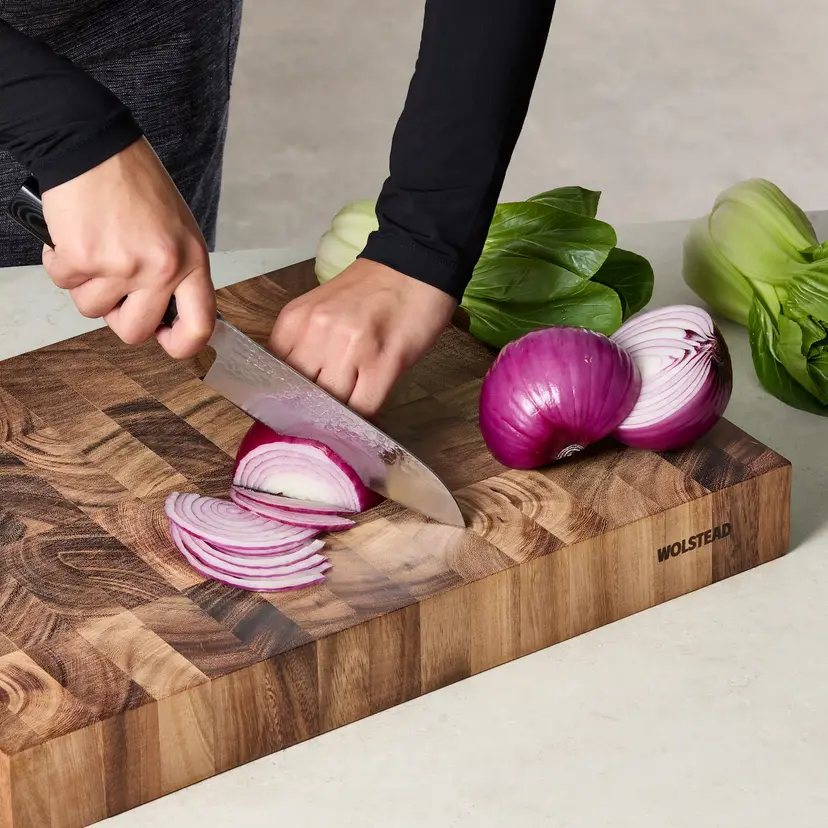
- End-grain boards are constructed with the wood fibers oriented vertically, like a bundle of straws standing upright. When your knife cuts into an end-grain board, the blade goes between the fibers, which then “self-heal” and close back up. This action is incredibly kind to your knife’s edge, keeping it sharper for longer. These boards are also exceptionally durable and resistant to scarring.
- Edge-grain boards feature wood fibers running horizontally, parallel to the cutting surface. While still durable and beautiful, they are a bit harder on knives than end-grain and show knife marks more readily.
- Benefits: Wood offers a naturally antimicrobial surface, a satisfying feel under the knife, and a beautiful aesthetic that can double as a serving platter.
- Drawbacks: Requires careful hand-washing, oiling, and shouldn’t be soaked or put in a dishwasher.
Plastic: The Hygienic Workhorse
In many commercial kitchens, you’ll find stacks of high-density polyethylene (HDPE) plastic cutting boards. Often referred to by brand names like Sanatec, these boards are champions of hygiene.
- Benefits: Plastic boards are non-porous, dishwasher-safe (allowing for high-temperature sanitization), and often color-coded to prevent cross-contamination (e.g., red for raw meat, green for vegetables). This ease of cleaning makes them indispensable in high-volume environments.
- Drawbacks: Plastic can be harder on knife blades, leading to quicker dulling. Over time, deep knife grooves can form, creating breeding grounds for bacteria, which means these boards need regular replacement.
Composite: The Modern Hybrid
Materials like Richlite or Epicurean boards are made from compressed paper or wood fibers with a resin binder.
- Benefits: These boards offer a blend of wood’s knife-friendliness with plastic’s hygiene. They are non-porous, often heat-resistant, and many varieties are dishwasher-safe, making them a robust and convenient option.
- Drawbacks: Can sometimes feel less substantial than solid wood and may still show knife marks.
Rubber: The Professional’s Secret Weapon
Less common in home kitchens but highly regarded by many pros are hard rubber cutting boards (like Sani-Tuff).
- Benefits: Extremely durable, very kind to knife edges, and can even be sanded down to refresh the surface after heavy use. They are also non-porous and highly hygienic.
- Drawbacks: Can be heavy and expensive, and often have a utilitarian appearance.
Materials to Avoid for Primary Cutting Tasks
While attractive, materials like glass, ceramic, marble, or metal (like stainless steel) should generally be avoided for regular cutting tasks. They are incredibly hard on knife blades, dulling them almost instantly, and can even be hazardous due to food or knives slipping on their slick surfaces. These are better suited for serving, rolling dough (marble), or as heat-resistant surfaces.
Choosing Your Professional Companion: What to Look For
Selecting a professional cutting board involves more than just picking a material. Consider these factors to find the perfect fit for your culinary needs.
Size and Thickness: Stability is Key
Professional boards typically come in generous sizes (e.g., 20″x16″, 24″x18″) and substantial thicknesses (1.5″ to 2″ or more). Why? A larger, thicker board provides a stable, immovable work surface that won’t slide around during aggressive chopping. This stability is crucial for safety and efficiency, allowing you to work confidently and quickly. Smaller boards are fine for quick tasks, but a serious cook needs ample space.
Features That Matter
- Juice Grooves: Essential for carving meats or slicing juicy fruits and vegetables, these channels catch liquids, keeping your counter clean.
- Recessed Finger Grips: Thoughtful additions that make it easier to lift, move, and clean heavy boards.
- Reversibility: Many professional boards are designed to be reversible, offering two usable surfaces. This is excellent for separating food types or providing one side with a juice groove and another flat side for general prep.
Certifications: A Mark of Trust
For commercial settings, look for NSF (National Sanitation Foundation) and FDA certifications. These indicate that the board meets strict public health standards for material safety, design, and cleanability. While not strictly necessary for home use, seeing these certifications assures you of a high-quality product.
Beyond the Cut: Mastering Professional Cutting Board Care and Hygiene
Even the most robust professional cutting board needs proper care to maintain its performance and hygiene. This is where the distinction between professional and casual use truly shines.
Daily Cleaning Rituals
The cardinal rule: clean your cutting board immediately after each use. Use hot, soapy water and a stiff brush or sponge to remove all food particles. For plastic boards, a commercial dishwasher is your best friend for thorough sanitization. For wooden boards, hand-wash gently and never, ever soak it in water, as this can lead to warping and cracking.
Sanitization Strategies
- Bleach Solution: A common method for both plastic and solid wood boards is a diluted bleach solution (one tablespoon of unscented liquid chlorine bleach per gallon of water). Flood the surface, let it stand for several minutes, then rinse with clean water and air dry.
- Natural Alternatives (for Wood): For wooden boards, a paste of baking soda and water, or scrubbing with a lemon half and coarse salt, can help with odors and minor stains, but these do not sanitize to the same degree as bleach.
The Art of Oiling Wooden Boards
Wood boards, especially end-grain, need regular oiling to prevent them from drying out, cracking, and becoming more susceptible to bacteria. Use food-safe mineral oil or a specialized cutting board oil every few weeks, or whenever the wood starts to look dry. Apply generously, let it soak in, and then wipe off any excess. Avoid vegetable oils, which can go rancid.
When to Say Goodbye: Knowing When to Replace Your Board
All cutting boards wear out. For plastic boards, once deep knife grooves appear, they become difficult to clean and can harbor bacteria, making replacement necessary. Wooden boards can often be sanded down to renew the surface, but if they become severely warped, cracked, or excessively scarred, it’s time for a new one. Prioritize food safety over sentimental attachment.
Food Safety First: Preventing Cross-Contamination Like a Pro
The single most critical aspect of cutting board use, especially in a professional context, is preventing cross-contamination.
The Golden Rule: Separate Boards
Professional kitchens strictly adhere to using separate cutting boards for different food types. This means one board for raw meats, poultry, and seafood, and a completely different board for ready-to-eat foods like vegetables, fruits, and bread. Even after washing, transferring bacteria from raw meat to fresh produce is a significant risk.
The Power of Color-Coding
To make this separation foolproof, many pros use color-coded cutting boards:
- Red: Raw meat
- Blue: Raw fish/seafood
- Yellow: Raw poultry
- Green: Fruits and vegetables
- White: Dairy and baked goods
- Brown: Cooked meats
Adopting even a simplified version of this system at home can drastically improve your kitchen’s hygiene.
Understanding Bacteria Traps
Deep grooves and scratches in any cutting board material can trap food particles and bacteria, making them incredibly difficult to clean. This is why regular maintenance (oiling wood, replacing plastic) is so vital. A smooth, well-maintained surface is your best defense against foodborne illness.
Your Professional Cutting Board: An Investment in Culinary Excellence
The professional cutting board is far more than a simple kitchen utensil; it’s a cornerstone of safe, efficient, and enjoyable cooking. By understanding the nuances of materials, prioritizing meticulous care, and adhering to strict food safety practices, you transform your cutting surface from a mere tool into a true culinary partner. Whether you choose the warm embrace of an end-grain maple block or the no-nonsense hygiene of an NSF-certified plastic board, selecting the right professional cutting board is an investment in your kitchen’s future, enhancing every chop, slice, and dice.
Don’t just cut; cut like a pro. Embrace the practices that distinguish the best kitchens, and watch as your cooking, and your confidence, soar.