Ever feel like your kitchen counter space is shrinking, especially when you’re in the middle of a culinary marathon? You’re not alone! Many home cooks face the daily challenge of a cramped workspace. Enter the Stovetop Cutting Board – a genius solution that transforms your unused stove into a valuable food preparation area, revolutionizing how you interact with your kitchen. This versatile accessory isn’t just about adding extra inches; it’s about optimizing your workflow, enhancing safety, and even adding a touch of style to your culinary domain.
What Exactly is a Stovetop Cutting Board?
A stovetop cutting board is precisely what it sounds like: a large cutting board designed to sit directly over your stove burners when they are not in use. These innovative boards typically feature built-in legs or rubber feet that elevate them slightly above the stovetop, ensuring proper ventilation and preventing any direct contact with the burner grates or glass surface. While primarily used for chopping and slicing, many refer to them as “noodle boards” or “stove covers” because they offer a flat, expansive surface that can also function as an extra countertop, a serving platter, or a temporary storage area. They are compatible with various stove types, including gas, electric, and induction cooktops, making them a universal space-saving hero.
The Transformative Power of Stovetop Cutting Boards in Modern Kitchens
In today’s homes, especially those with smaller kitchens, apartments, or RVs, every inch of available space counts. A traditional cutting board might offer a limited surface, forcing you to juggle ingredients and tools in a tight area. The stovetop cutting board directly addresses this by reclaiming otherwise dormant space. Imagine having an uninterrupted, generous area for kneading dough, prepping multiple vegetables simultaneously, or laying out ingredients for a complex recipe. This isn’t just about utility; it’s about transforming a potential bottleneck into a highly efficient zone, allowing for a smoother, more enjoyable cooking experience. Beyond pure practicality, these boards also protect your stovetop from scratches, dust, and spills when not in use, prolonging its pristine condition.
Choosing Your Material: A Deep Dive into Stovetop Cutting Board Options
The material of your stovetop cutting board plays a crucial role in its durability, maintenance, and overall performance. Making an informed choice ensures you get the most out of this kitchen essential.
Bamboo: The Eco-Friendly & Durable Choice
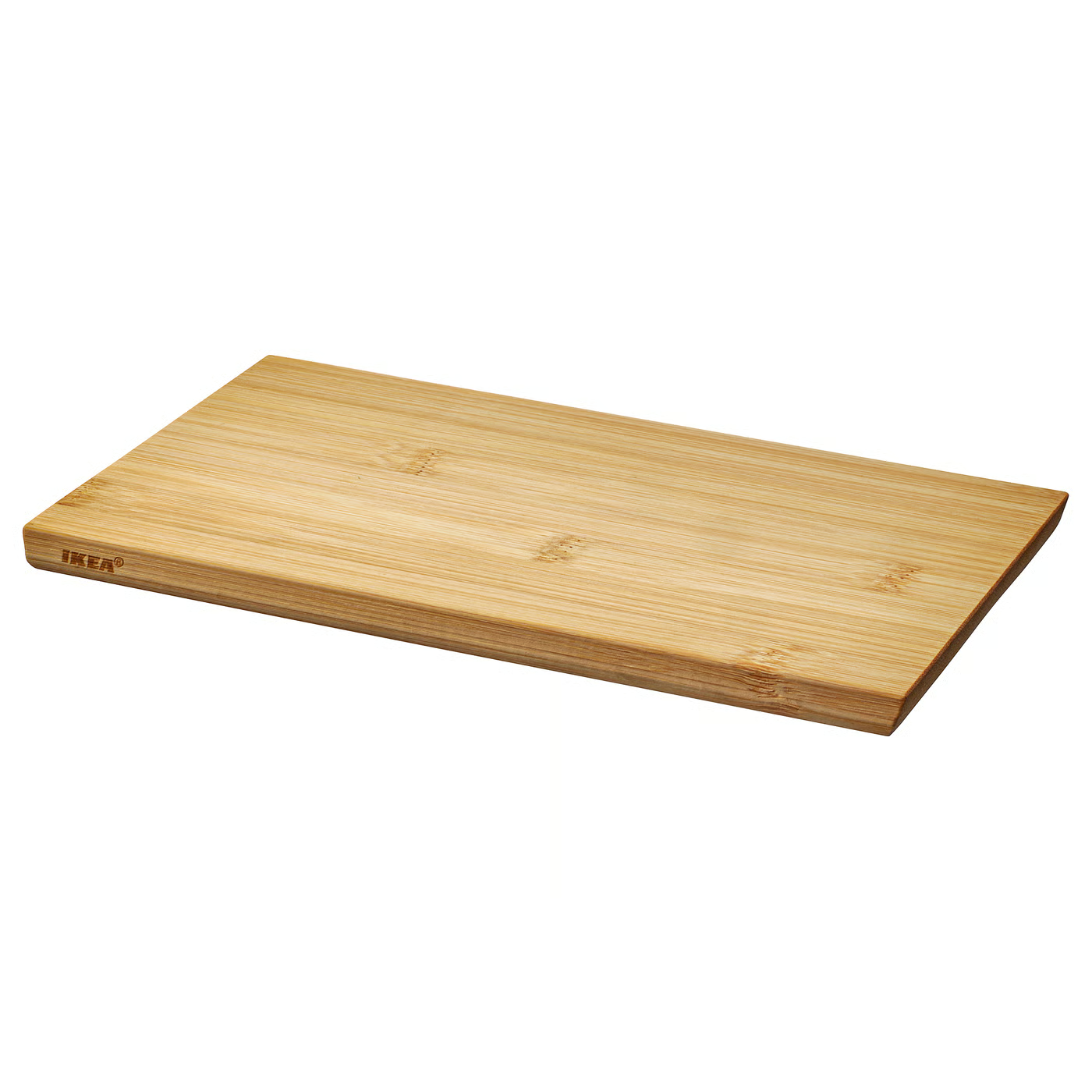
Bamboo is a hugely popular material for stovetop cutting boards, and for good reason. It’s an eco-friendly, fast-growing grass known for its strength and durability. Bamboo boards are harder and less porous than many traditional woods, making them naturally resistant to moisture absorption and scarring from knives. This inherent resistance to deep cuts also means they are less likely to harbor bacteria, contributing to better hygiene. Many bamboo stovetop boards are lauded for their aesthetic appeal, blending seamlessly with various kitchen decors. To maintain their beauty and longevity, regular oiling with food-grade mineral oil is often recommended.
Wood (Maple, Walnut, Acacia): The Classic & Knife-Friendly Option
Hardwoods like maple, walnut, and acacia have been kitchen staples for generations, prized for their beauty and performance. These woods are renowned for being gentle on knife blades, helping to keep them sharper for longer compared to harder surfaces. Maple, for instance, is a fine-grained wood whose capillary action can draw down fluids and trap bacteria, which are then killed as the board dries after cleaning. Walnut is appreciated for its softer nature, further protecting knife edges. While offering natural antimicrobial properties, wooden boards require a bit more care. They typically need to be hand-washed and dried thoroughly, then regularly oiled with food-grade mineral oil to prevent drying, cracking, and to maintain their resilience.
Plastic: The Practical & Dishwasher-Safe Solution (with caveats)
Plastic cutting boards, often made from high-density polyethylene (HDPE), are a common sight in many kitchens due to their affordability and ease of cleaning. They are non-porous, lightweight, and many can be safely run through a dishwasher, offering convenient sanitization. This makes them a favored choice for handling raw meats, poultry, and seafood. However, plastic boards can quickly accumulate deep knife grooves over time. These grooves can become breeding grounds for bacteria, making thorough cleaning difficult even with sanitization. For optimal food safety, plastic stovetop cutting boards with significant scarring should be replaced regularly.
Materials to Approach with Caution: Glass, Ceramic, and Stainless Steel
While aesthetically pleasing and often very hygienic, glass, ceramic, and stainless steel are generally not recommended as primary cutting surfaces for a stovetop cutting board. Glass and ceramic are exceptionally hard, which can rapidly dull your expensive knives and create an unpleasant, high-pitched scraping sound during use. They also pose a slipping hazard for knives due to their slick surface. Stainless steel, while durable and hygienic, also presents challenges to knife edges. These materials are better suited for decorative serving, protecting your stove, or as specialized surfaces (like marble for pastry work), rather than daily chopping tasks.
Safety First: Essential Guidelines for Using Your Stovetop Cutting Board
Safety in the kitchen is paramount, and your stovetop cutting board is no exception. While a fantastic tool, it comes with specific guidelines to ensure a hazard-free cooking environment.
The Golden Rule: Never on a Hot Stove!
This cannot be stressed enough: never place or use a stovetop cutting board on a hot or even warm stove. Heat can severely damage the board, potentially causing warping, cracking, or even releasing harmful chemicals if it’s plastic. For wooden and bamboo boards, heat can dry them out, leading to irreversible damage. Always ensure your stovetop is completely cool before positioning your cutting board. This rule is non-negotiable for both the longevity of your board and the safety of your kitchen.
Preventing Cross-Contamination: The Two-Board System
Cross-contamination is a leading cause of foodborne illness. To mitigate this risk, culinary experts, including Chef Anya Sharma, a seasoned professional with a focus on kitchen hygiene, advises a “two-board system.” “Designate one stovetop cutting board exclusively for raw meats, poultry, and seafood, and a separate one for produce, bread, and other ready-to-eat foods,” says Chef Sharma. “Even after thorough cleaning, microscopic pathogens can linger, and separating boards is the simplest, most effective preventative measure.” If using only one stovetop cutting board, ensure it is meticulously washed and sanitized between tasks, especially after handling raw proteins.
Stability and Fit: Keeping Things Secure
A stable stovetop cutting board is a safe one. Ensure your chosen board has adequate non-slip feet or adjustable legs that securely position it over your burners without wobbling. The board should fit snugly over your stovetop, covering the burners completely without obstructing oven vents if applicable. This stability prevents accidental shifts or falls, which could lead to spills, injuries, or damage to your stove. Always check the dimensions of your stovetop before purchasing to guarantee a perfect and secure fit.
When to Replace Your Board
All cutting boards, regardless of material, wear out over time. For plastic boards, deep knife grooves are a clear indicator that it’s time for a replacement, as these crevices can harbor bacteria that are impossible to clean effectively. Even wooden and bamboo boards, while more resilient, can develop significant scoring or splintering. If your stovetop cutting board shows signs of excessive wear, deep cuts, or cracking, it’s best to discard it and invest in a new one to maintain optimal hygiene and safety.
Maintaining Your Stovetop Cutting Board: Tips for Longevity and Hygiene
Proper care is essential to extend the life of your stovetop cutting board and ensure it remains a hygienic surface for food preparation.
- General Cleaning: After each use, wash your stovetop cutting board with hot, soapy water. Use a stiff brush or sponge to thoroughly scrub the surface, paying attention to any grooves or cuts. Rinse with clear water.
- Air Drying is Key: After washing, allow your board to air dry completely. Prop it up vertically or on an elevated rack to ensure air circulation on all sides. This prevents moisture from lingering, which can lead to warping or bacterial growth.
- For Wood and Bamboo Boards: These materials benefit greatly from regular oiling. Apply a food-grade mineral oil every few weeks (or more frequently if used often) to both sides of the board. This conditions the wood, prevents it from drying out, and enhances its water resistance. Let the oil soak in for several hours or overnight before wiping off any excess.
- Sanitization: For an extra layer of cleanliness, especially after preparing raw meats, you can sanitize your board. For non-porous plastic boards, placing them in a dishwasher with a hot wash cycle is effective. For wooden and plastic boards, a diluted bleach solution (1 tablespoon of unscented liquid chlorine bleach per gallon of water) can be used. Flood the surface, let it sit for a few minutes, then rinse thoroughly with clear water and air dry.
Beyond Chopping: Creative Ways to Maximize Your Stovetop Space
The utility of a stovetop cutting board extends far beyond just slicing and dicing. Its expansive, flat surface opens up a world of possibilities for maximizing your kitchen’s functionality:
- A Grand Serving Platter: Hosting a party? Transform your stovetop board into an impressive charcuterie or cheese board. Its large size makes it ideal for showcasing an array of appetizers, making a striking centerpiece.
- Instant Extra Counter Space: Even when you’re not cutting, the board provides valuable additional real estate. Use it as a temporary staging area for ingredients, a place to cool baked goods, or an overflow area when your main counters are full. It’s perfect for holding kitchen appliances like a stand mixer that you want to keep easily accessible but off your primary workspace.
- A Convenient Drying Rack Base: After washing delicate dishes, stemware, or oversized pots that don’t fit in your dish rack, the stovetop board can serve as a clean, elevated surface to air dry them. Just place a clean towel underneath.
- Kneading and Baking Prep: For bakers, the large, stable surface is ideal for kneading dough, rolling out pastry, or assembling elaborate desserts without feeling cramped.
Frequently Asked Questions (FAQs) About Stovetop Cutting Boards
Q: Can I use a stovetop cutting board on an induction stove?
A: Yes, stovetop cutting boards are generally compatible with induction stoves, as well as gas and electric models. The board’s legs or feet elevate it, ensuring no direct contact with the cooktop surface. Always ensure the stove is completely off and cool before use.
Q: How do I measure my stove for a stovetop cutting board?
A: Measure the width and depth of your stovetop surface, including any grates or raised elements. Also, consider the height of any knobs or controls to ensure the board sits evenly and securely. Many boards are designed to fit standard four-burner stoves.
Q: Are stovetop cutting boards heat resistant?
A: Stovetop cutting boards are not designed to be heat resistant when the stove is active. They are meant to be used when the stove is cool and off. Placing them on a hot burner can cause warping, melting (for plastic), or cracking.
Q: Do stovetop cutting boards scratch my stove?
A: When properly designed with rubber feet or elevated legs, a stovetop cutting board should not scratch your stove. The elevation ensures it doesn’t directly rub against the surface. Always check that the feet are intact and clean before placing the board.
Q: How often should I oil my wooden stovetop cutting board?
A: The frequency depends on how often you use and wash the board. As a general rule, oil your wooden or bamboo stovetop cutting board monthly, or whenever it starts to look dry or faded. This keeps the material conditioned and helps prevent cracking.
Conclusion
The stovetop cutting board is more than just a kitchen accessory; it’s a game-changer for anyone looking to maximize their workspace and streamline their cooking process. By understanding the different materials available, prioritizing safety, and committing to proper maintenance, you can choose a stovetop cutting board that not only meets your culinary needs but also enhances the efficiency and aesthetic of your kitchen. So, reclaim your counter space, embrace the versatility, and enjoy a more organized and enjoyable cooking experience with this indispensable tool.